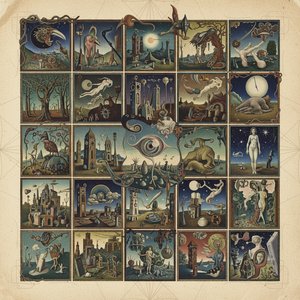
Acrylic On Canvas.

§ 1Katalogo duomenys


Šis kūrinys yra saugomas autorinės teisės
Šiame puslapyje rodomas meno kūrinys yra saugomas autorių teisių įstatymais, todėl neturime teisės legaliai kurti ar parduoti jo identiškos reprodukcijos. Ši apsauga užtikrinama remiantis tokiais tarptautiniais susitarimais kaip Bernės konvencija ir pagal nacionalines įstatymų nuostatas, įskaitant tas, kurias nurodo JAV autoriškos teisės įstatymas – 17-asis skyrius.
Kaip pagarbią ir teisėtą alternatyvą, mes siūlome pagal užsakymą rankomis dažytus paveikslus, įkvėptus originalo. Mūsų įgudę ir profesionalūs menininkai kruopščiai tiria originalo stilių, nuotaiką ir meninę esmę, kad sukurtų naują, unikalią kūrinį, kuris sukelia tą paties jausmą – išlikdamas tuo tarciau originaliu, savarankišku kūrybiniu darbu.
Šis metodas visiškai atitinka autorių teises, nes jame nėra saugomo kūrinio kopijavimo ar dubliavimo. Tai yra kūrybinė reinterpretacija – naujas paveikslas, kurį įkvėpė originalas, tačiau kuris nėra jo identiškas.
 Skaityti daugiau
§ 2Abstraktus
Kolekcinio objekto aprašas
Max Ernst’s surreal ‘Le facteur Cheval’ presents a captivating man constructed from clocks, moons, and apples against a blue backdrop, embodying the artist's intellectual exploration of the subconscious. Discover this iconic work and bring its dreamlike vision home.
Autoriaus biografija
Atraskite Maxo Ernsto (1891–1976) – dadaizmo ir surrealizmo pionieriaus – vizionierių pasaulį! Apžvelkite jo inovatyvias frotažo, koliažų technikas bei sapniškus paveikslus su paukščiais, peizažais ir psichologinėmis temomis.
§ 3Komentaras
Max Ernst's "Le Facteur Cheval": A Surrealist Puzzle of Form and Meaning
Max Ernst’s “Le Facteur Cheval” (The Postman Cheval) is not merely a depiction of a man constructed from disparate objects; it’s an invitation to delve into the subconscious, a meditation on identity, and a testament to the power of artistic obsession. Painted in 1920, this enigmatic work exemplifies Ernst's pivotal role within the Surrealist movement, showcasing his unique approach to challenging conventional perceptions of reality. The painting immediately captivates with its bizarre yet strangely compelling composition – a solitary figure seemingly assembled from a collection of meticulously arranged objects: a clock face, a luminous moon, a blushing apple, and a delicate bird, all contributing to a tableau that defies easy interpretation.
A Biographical Context: Ernst's Quest for the Ideal
- Early Influences: Born in Brühl, Germany, in 1891, Max Ernst’s artistic trajectory was shaped by a complex interplay of influences. His father, a teacher of the deaf, fostered an appreciation for detail and a sensitivity to the world, while his own intellectual pursuits – encompassing philosophy, psychology, and literature – fueled a desire to explore the hidden dimensions of human experience.
- The Postman's Dream: The subject of the painting, Auguste Chevalier, was a real postman who built a house entirely out of letters. Ernst became fascinated by Chevalier’s dedication, viewing his project as an embodiment of the artist’s relentless pursuit of perfection and a rejection of bourgeois values.
- Surrealist Roots: “Le Facteur Cheval” emerged during Ernst's early involvement with the Surrealist movement, a group dedicated to unlocking the power of dreams and the irrational through artistic expression. The painting reflects the Surrealists’ interest in automatism – spontaneous creation without conscious control – and their exploration of psychological themes.
Symbolic Layers: Deconstructing the Image
The seemingly random arrangement of objects within “Le Facteur Cheval” is laden with symbolic meaning. The clock face, a recurring motif in Ernst’s work, represents time, memory, and the relentless march of existence. The moon, often associated with the subconscious and intuition, adds an element of mystery and dreamlike quality. The apple, a traditional symbol of temptation and knowledge, hints at forbidden desires and hidden truths. The bird, fragile and delicate, could represent freedom or vulnerability. These elements coalesce to create a powerful visual metaphor for the fragmented nature of identity and the struggle to find meaning in a chaotic world.
Technique and Artistic Style: Ernst's Pioneering Approach
Ernst’s technique in “Le Facteur Cheval” is characterized by meticulous detail and a masterful use of color. The blue background serves not merely as a backdrop but actively contributes to the painting’s unsettling atmosphere, enhancing the sense of disorientation and dreamlike quality. His application of paint – often employing techniques borrowed from woodcuts and engravings – creates a textured surface that adds to the work's tactile appeal. Ernst was a pioneer in exploring collage and assemblage within his paintings, foreshadowing later developments in Pop Art and Conceptual Art. The painting’s fragmented composition reflects Ernst’s interest in dismantling traditional representational forms and challenging viewers to actively engage with the artwork.
Emotional Impact and Legacy
"Le Facteur Cheval" continues to resonate with audiences today because of its profound exploration of fundamental human concerns: identity, perception, and the search for meaning. It’s a work that demands contemplation, inviting viewers to confront their own subconscious desires and anxieties. As a key example of Surrealist art, it demonstrates Ernst's ability to create visually arresting and intellectually stimulating works that remain relevant in the 21st century. This painting is more than just an image; it’s a portal into the mind of one of the most innovative artists of the 20th century.
Klausimai ir atsakymai
Kokią emociją perteikia „Le facteur Cheval“ – Maksas Ernstas?
Emocinis tonas, nurodytas kūriniui „Le facteur Cheval“ – Maksas Ernstas, yra Mysterious. Jis apibūdina jausmą, kurį išreiškia šis darbas.
Kokia atmosferą sukelia „Le facteur Cheval“?
„Le facteur Cheval“ dvelkia Mystical atmosfera.
Kokia yra „Le facteur Cheval“ – Maksas Ernstas dominuojanti spalva?
„Le facteur Cheval“ linksta į Ochre to Sepia atspalvį.



 Perjungti į spausdinamus版作品


 Dėl meno kūrinių ar reprodukcijų, kurių bet kuri pusė yra didesnė nei 105 cm (apie 41 inch), rėmas bus siunčiamas kaip išskaidytas surinkimo rinkinys. Šis metodas užtikrina saugų pristatymą ir apsaugo nuo transportavimo metu galimos žalos.