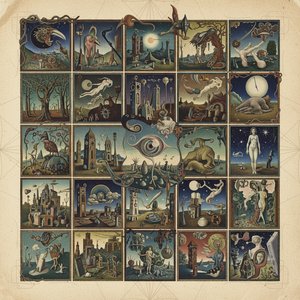
Lithograph.

§ 1Katalogo duomenys


Šis kūrinys yra saugomas autorinės teisės
Šiame puslapyje rodomas meno kūrinys yra saugomas autorių teisių įstatymais, todėl neturime teisės legaliai kurti ar parduoti jo identiškos reprodukcijos. Ši apsauga užtikrinama remiantis tokiais tarptautiniais susitarimais kaip Bernės konvencija ir pagal nacionalines įstatymų nuostatas, įskaitant tas, kurias nurodo JAV autoriškos teisės įstatymas – 17-asis skyrius.
Kaip pagarbią ir teisėtą alternatyvą, mes siūlome pagal užsakymą rankomis dažytus paveikslus, įkvėptus originalo. Mūsų įgudę ir profesionalūs menininkai kruopščiai tiria originalo stilių, nuotaiką ir meninę esmę, kad sukurtų naują, unikalią kūrinį, kuris sukelia tą paties jausmą – išlikdamas tuo tarciau originaliu, savarankišku kūrybiniu darbu.
Šis metodas visiškai atitinka autorių teises, nes jame nėra saugomo kūrinio kopijavimo ar dubliavimo. Tai yra kūrybinė reinterpretacija – naujas paveikslas, kurį įkvėpė originalas, tačiau kuris nėra jo identiškas.
 Skaityti daugiau
§ 2Abstraktus
Kolekcinio objekto aprašas
Senza titolo by Max Ernst: A surreal lithograph featuring books, snakes, and circles – explore its symbolism and discover more about Ernst’s groundbreaking artistic vision.
Autoriaus biografija
Atraskite Maxo Ernsto (1891–1976) – dadaizmo ir surrealizmo pionieriaus – vizionierių pasaulį! Apžvelkite jo inovatyvias frotažo, koliažų technikas bei sapniškus paveikslus su paukščiais, peizažais ir psichologinėmis temomis.
§ 3Komentaras
A Descent into the Surrealist Labyrinth
To encounter Max Ernst’s “Senza titolo” is to step beyond the threshold of the rational world and enter a psychological landscape where the boundaries of reality begin to dissolve. Created in 1925, this evocative lithograph serves as a profound window into the mind of one of the twentieth century's most influential architects of the subconscious. Emerging from the intellectual tremors of the post-World War I era, Ernst utilized his art to navigate the wreckage of societal norms, drawing deeply from the burgeoning field of psychoanalysis. The work does not merely present a scene; it orchestrates an encounter with the uncanny, inviting viewers to wander through a dreamscape where every shadow and shape whispers of hidden truths and repressed desires.
The composition is a masterclass in what might be described as calculated chaos. At first glance, the eye is drawn to a collection of seemingly familiar objects—books, snakes, and geometric motifs—yet their arrangement defies the comfort of logic. Ernst employs a meticulous technique, utilizing fine hatching and precise contours that lend a startling sense of tactile reality to each element. This precision, however, is used to heighten the unsettling nature of the spatial arrangement. Books lean precariously against one another as if on the verge of collapse, creating an atmosphere of profound instability. A snake coils diagonally across the canvas, its movement disrupting linear perspective and injecting a primal, visceral tension into the scene. It is this very juxtaposition—the hyper-realistic rendering of objects set within an impossible, fractured space—that defines the haunting allure of Ernst’s Surrealist vision.
Symbolism and the Architecture of Dreams
Beneath the surface of this intricate arrangement lies a dense web of Freudian symbolism. For the discerning collector or art enthusiast, “Senza titolo” offers a rich tapestry of meaning to decode. The books, often representing the weight of human knowledge and intellectual pursuit, are depicted in a state of precarious balance, perhaps suggesting the fragility of reason when confronted by the overwhelming power of the irrational. The serpent, a recurring motif in Ernst’s oeuvre, acts as a potent symbol of instinctual drives—representing transformation, danger, and the untamed sexuality that resides within the human psyche. Even the circular motif at the periphery serves to anchor the viewer within a cyclical, dream-like logic that transcends time.
For those looking to integrate such a profound piece into a curated interior, “Senza titolo” provides an unparalleled focal point of intellectual depth and aesthetic intrigue. Whether displayed in a modern gallery-style setting or as a conversation piece within a sophisticated study, the artwork commands attention through its ability to provoke contemplation. It is more than a mere decoration; it is an invitation to explore the textures of the mind. A high-quality reproduction of this masterpiece allows the subtle nuances of Ernst’s hatching and the dramatic tonal variations to shine, bringing the restless, beautiful energy of the Surrealist movement into the contemporary home.
Klausimai ir atsakymai
Kokia yra „Senza titolo“ – Maksas Ernstas spalvų gama?
„Senza titolo“ – Maksas Ernstas spalvų identitetas: Pastels paletė, kurioje dominuoja Putty (#eed4b7).
Kas sukūrė „Senza titolo“?
Kūrinį „Senza titolo“ sukūrė Maksas Ernstas. Darbas katalogizuojamas Maksas Ernstas vardu.
Ar yra vadovas kūriniui „Senza titolo“ – Maksas Ernstas?
„Senza titolo“ – Maksas Ernstas Informacinė medžiaga puslapioje galima rasti spausdinamą dviejų lapų informacinę lentelę: kūrinį su jo tapatybės lentele, laikotarpį nurodantį juostą, atitinkantį gyvenimo metus, kitus šio autoriaus darbus, išmatuotą spalvų paletę bei keturiomis stiliais paruoštus citavimo pavyzdžius.



 Perjungti į spausdinamus版作品


 Dėl meno kūrinių ar reprodukcijų, kurių bet kuri pusė yra didesnė nei 105 cm (apie 41 inch), rėmas bus siunčiamas kaip išskaidytas surinkimo rinkinys. Šis metodas užtikrina saugų pristatymą ir apsaugo nuo transportavimo metu galimos žalos.