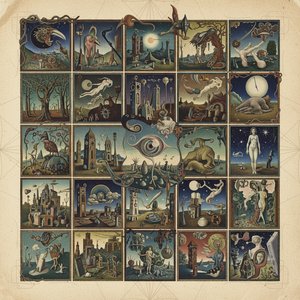
Engraving.

§ 1Catalogue data


Šis kūrinys yra saugomas autorinės teisės
Šiame puslapyje rodomas meno kūrinys yra saugomas autorių teisių įstatymais, todėl neturime teisės legaliai kurti ar parduoti jo identiškos reprodukcijos. Ši apsauga užtikrinama remiantis tokiais tarptautiniais susitarimais kaip Bernės konvencija ir pagal nacionalines įstatymų nuostatas, įskaitant tas, kurias nurodo JAV autoriškos teisės įstatymas – 17-asis skyrius.
Kaip pagarbią ir teisėtą alternatyvą, mes siūlome pagal užsakymą rankomis dažytus paveikslus, įkvėptus originalo. Mūsų įgudę ir profesionalūs menininkai kruopščiai tiria originalo stilių, nuotaiką ir meninę esmę, kad sukurtų naują, unikalią kūrinį, kuris sukelia tą paties jausmą – išlikdamas tuo tarciau originaliu, savarankišku kūrybiniu darbu.
Šis metodas visiškai atitinka autorių teises, nes jame nėra saugomo kūrinio kopijavimo ar dubliavimo. Tai yra kūrybinė reinterpretacija – naujas paveikslas, kurį įkvėpė originalas, tačiau kuris nėra jo identiškas.
 Skaityti daugiau
§ 2Abstract
Kolekcinio objekto aprašas
Explore Max Ernst’s ‘Sin título,’ a surreal black & white etching featuring a serpent struggle & Mona Lisa. Discover Dada & Surrealism's dynamic tension.
Autoriaus biografija
Atraskite Maxo Ernsto (1891–1976) – dadaizmo ir surrealizmo pionieriaus – vizionierių pasaulį! Apžvelkite jo inovatyvias frotažo, koliažų technikas bei sapniškus paveikslus su paukščiais, peizažais ir psichologinėmis temomis.
§ 3Commentary
A Descent into the Unconscious: Examining Max Ernst’s “Sin título”
Max Ernst's "Sin título" (Untitled) isn’t merely a black and white etching; it’s an invitation to a psychological landscape, a confrontation with primal fears rendered in stark, unsettling detail. The artwork immediately commands attention through its dynamic composition – a wrestling match between a man and a colossal serpent dominates the frame, interwoven with a ghostly cameo of Mona Lisa that subtly complicates the narrative. Ernst, a pivotal figure in both Dada and Surrealism, masterfully employs a technique reminiscent of engraving or etching, creating an extraordinary contrast between light and shadow, sharp lines, and a flattened perspective that contributes to the work’s dreamlike quality. This isn't simply a depiction of physical struggle; it’s a visual representation of internal conflict, a battle waged within the depths of the human psyche.
The choice of materials – likely etched onto a metal plate and subsequently printed – speaks volumes about Ernst’s artistic process. The rigid linearity of the linework, while creating a graphic appearance, also suggests an underlying tension, mirroring the struggle depicted on the surface. The deliberate lack of shading or realistic depth further enhances this sense of unease, pushing the scene into the realm of symbolism and allegory. It's crucial to note that Ernst was deeply interested in exploring the subconscious, and “Sin título” is a prime example of his ability to translate complex psychological themes into visual form.
The Symbolism of Serpent and Woman: Echoes of Mythology and Art History
The serpent itself is a potent symbol throughout history – representing temptation, chaos, knowledge, and the cyclical nature of life. Here, it’s not merely a beast but an embodiment of primal urges, a force resisting control. The man wrestling with it embodies humanity's struggle against these darker aspects of its own being. Interestingly, positioned within this chaotic scene is a subtle yet significant detail: the inclusion of Mona Lisa. This iconic portrait, instantly recognizable and imbued with an aura of serene beauty, acts as a counterpoint to the turmoil unfolding before us. Some art historians interpret this juxtaposition as representing the eternal conflict between reason and emotion, or perhaps the allure of the unattainable – a reminder that even in moments of intense struggle, there exists a lingering sense of beauty and detachment.
The tower-like structure in the background adds another layer to the symbolism. Towers often represent ambition, power, and reaching for the heavens—but here, it feels somewhat ominous, perhaps suggesting an unattainable goal or a precarious position within this internal struggle. The overall composition suggests a descent into the unconscious, a confrontation with fundamental human dilemmas.
Ernst’s Methodologies: Frottage and the Surrealist Approach
Understanding Max Ernst's artistic methods is key to appreciating “Sin título.” He was a pioneer of techniques like *frottage* – rubbing a pencil over textured surfaces to create unexpected images – and *grattage*, scraping paint across canvas to reveal hidden patterns. These processes were designed to bypass conscious control, tapping into the subconscious mind and generating surprising visual results. This approach is clearly evident in “Sin título,” where the deliberate use of line work and the seemingly random arrangement of elements contribute to a sense of controlled chaos. Ernst wasn’t simply painting what he *saw*; he was actively seeking to access and translate the hidden realities of his inner world.
The artwork's stark black and white palette further emphasizes this exploration of the subconscious. It strips away any distractions, forcing the viewer to confront the raw emotion and psychological intensity of the scene. It’s a testament to Ernst’s skill that he can create such a powerful and unsettling image using such a limited range of tones.
A Reproduction for the Collector: Bringing “Sin título” into Your Space
AllPaintingsStore offers meticulously hand-painted reproductions of Max Ernst's "Sin título," capturing the essence of this iconic work with unparalleled detail and fidelity. Our artists replicate Ernst’s distinctive linework, creating a stunning visual experience that faithfully reproduces the artwork’s unsettling atmosphere and symbolic depth. Whether you are an art collector seeking to expand your Surrealist collection or simply looking for a unique piece of art to enhance your interior design, our reproduction provides a beautiful and authentic representation of this seminal work. The high-quality materials used ensure that the reproduction will last for generations, preserving the power and mystery of Ernst’s vision. Explore our options today and bring this captivating image into your world.
Klausimai ir atsakymai
Kokią spalvų harmoniją išpriešia „Sin título“ – Maksas Ernstas?
„Sin título“ – Maksas Ernstas pasižymi Strong Color Unity spalvų harmonija.
Kur galiu rasti statistiką apie „Sin título“ – Maksas Ernstas?
Eksistuoja Statistika puslapis kūriniui „Sin título“. Jame pateikiama mėnesio apžiūrų diagrama, apimanti šį kūrinį bei kitus šio kūrybinio veikėjo darbus, su skirstymu pagal šalis ir kalbas.
Kaip „Sin título“ stilius susijęs su kūrėjo laikmečiu?
„Sin título“ – Maksas Ernstas priskiriamas Surrealism stiliui, kūrėjo prekiaujantem į Modernizmas laikotarpį.



 Perjungti į spausdinamus版作品


 Dėl meno kūrinių ar reprodukcijų, kurių bet kuri pusė yra didesnė nei 105 cm (apie 41 inch), rėmas bus siunčiamas kaip išskaidytas surinkimo rinkinys. Šis metodas užtikrina saugų pristatymą ir apsaugo nuo transportavimo metu galimos žalos.