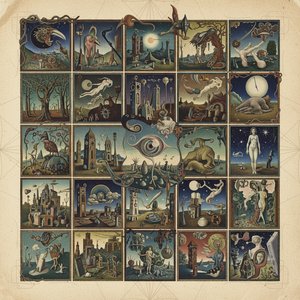
1922. Oil On Canvas, 100.0 x 75.0 cm. Royal Society.

§ 1Catalogue data
 Oil On Canvas
- WallArt
- Impressionism
 1922
1922 100.0 x 75.0 cm
 Royal Society
§ 2Abstract
Kolekcinio objekto aprašas
Explore Max Liebermann’s 1922 portrait of Albert Einstein – an Impressionistic oil painting capturing scientific genius & intimacy. A unique piece reflecting a pivotal era.
 Skaityti daugiau
Autoriaus biografija
Max Liebermann (1847-1935): Vokiečių impresionizmo meistras, žinomas ryškiomis kasdienio gyvenimo scenomis, įspūdingais portretais ir ramiais sodų vaizdais. Atraskite jo palikimą!
§ 3Commentary
A Portrait of Genius: Max Liebermann’s Einstein
Max Liebermann's 1922 portrait of Albert Einstein isn’t merely a likeness; it’s a carefully constructed distillation of intellect, contemplation, and the burgeoning promise of a revolutionary mind. Painted during a pivotal period in Einstein’s career – immediately following his Nobel Prize win and the confirmation of his theories through the Eddington-Dyson eclipse observations – this oil painting transcends simple representation, offering a glimpse into the very essence of scientific genius. Liebermann, a master of Impressionism tempered with a keen observational eye, avoids the stark formality often associated with portraits of prominent figures, instead opting for an intimacy that draws the viewer directly into Einstein’s world.
The composition itself is deceptively simple: Einstein occupies most of the frame, his face turned slightly towards the left, creating a sense of quiet engagement. His hands, resting loosely on what appears to be a table or desk, subtly convey a restless energy – a mind constantly in motion, grappling with complex ideas. Liebermann’s brushwork is deliberately loose and expressive, eschewing sharp lines for a more impressionistic approach. This technique isn't about photographic accuracy; it’s about capturing the *feeling* of Einstein, his thoughtful demeanor, and the aura of intellectual intensity that surrounded him. The use of browns and ochres dominates the palette, lending the painting a warm, almost contemplative atmosphere – a visual echo of the quiet hours spent in deep thought.
The Impressionist Lens on Scientific Icon
Liebermann’s stylistic choices are deeply rooted in the tenets of Impressionism. He prioritizes capturing fleeting moments and subjective impressions over meticulous detail. This is evident in the way he renders light, using broken brushstrokes to suggest the play of illumination across Einstein's face and clothing. The shallow perspective further enhances this effect, creating a sense of immediacy and drawing the viewer into the scene as if they are witnessing this portrait firsthand. Unlike traditional portraits that often aim for an idealized representation, Liebermann’s Einstein is presented with a certain vulnerability – a hint of weariness around the eyes, suggesting the immense mental effort required to unravel the mysteries of the universe.
The historical context surrounding the painting is crucial to understanding its significance. 1922 was a time of great intellectual ferment in Europe, marked by the rise of modern physics and a growing sense of optimism about the future. Einstein’s work had already begun to transform our understanding of space, time, and gravity, and he was quickly becoming a global icon. Liebermann's portrait captures this moment perfectly, presenting Einstein not just as a brilliant scientist but also as a symbol of human ingenuity and progress.
Symbolism and the Portrait’s Essence
Beyond its technical merits, the painting is rich in symbolic meaning. The seated posture suggests contemplation and intellectual rigor – qualities inextricably linked to Einstein's legacy. The hands, resting casually yet deliberately, represent his engagement with ideas, his willingness to explore new possibilities. The muted color palette contributes to a sense of quiet introspection, inviting the viewer to share in Einstein’s mental landscape. It is important to note that Liebermann was not simply depicting a famous scientist; he was attempting to capture something deeper – the very spirit of scientific inquiry and the relentless pursuit of knowledge.
Furthermore, the painting subtly reflects the broader cultural anxieties of the era. The rise of science and technology was accompanied by concerns about the potential consequences of unchecked progress. Liebermann’s portrait, with its emphasis on intellectual contemplation, can be interpreted as a reminder of the importance of ethical considerations alongside scientific advancement. It's a poignant image that speaks to both the brilliance and the responsibility inherent in pushing the boundaries of human understanding.
A Timeless Reproduction
Reproductions of Liebermann’s Einstein portrait offer an exceptional opportunity to bring this remarkable work into any setting. The textured brushwork, the subtle nuances of light and shadow, and the intimate portrayal of a scientific icon are all faithfully captured in high-quality reproductions. Whether displayed in a study, a gallery, or a private residence, this painting continues to resonate with viewers today, serving as a powerful reminder of the enduring legacy of Albert Einstein and the transformative power of art.
Klausimai ir atsakymai
Ar „Albert Einstein (1879–1955)“ – Maksas Liberamanas yra ryškus ar tamsus kūrinys?
Perceptinis „Albert Einstein (1879–1955)“ – Maksas Liberamanas ryškumas yra shadow. Jį galima suderinti su intended erdvės apšvietimu.
Kur galiu rasti „Albert Einstein (1879–1955)“ vadovą?
Gidas apie „Albert Einstein (1879–1955)“ yra šio kūrinio Informacinė medžiaga puslapis – spausdinamas informacinį lapelis, kuriame pateikiamas kūrinys su antrašte, autoriu nurodymu bei duomenų lentele (autorius, datos, technika, originalus dydis, kolekcija).
Kiek žmonių žiūri į „Albert Einstein (1879–1955)“?
Statistika apie „Albert Einstein (1879–1955)“ – Maksas Liberamanas pateikiama kūrinio Statistika puslapio: mėnesiniai kūrinio apsilankėjimai, kito šio autoriaus kūrinių apsilankėjimai bei neseniai apsilankiusiųjų skirstymas pagal šalis ir kalbas.


 Perjungti į spausdinamus版作品


 Dėl meno kūrinių ar reprodukcijų, kurių bet kuri pusė yra didesnė nei 105 cm (apie 41 inch), rėmas bus siunčiamas kaip išskaidytas surinkimo rinkinys. Šis metodas užtikrina saugų pristatymą ir apsaugo nuo transportavimo metu galimos žalos.