

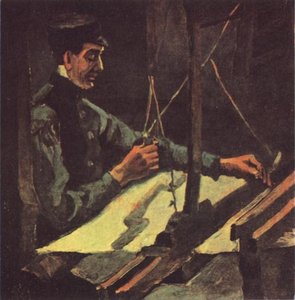
1882. Oil On Canvas. Städelsche Kunstinstitut Und Städtische Galerie.

§ 1Catalogue data


§ 2Abstract
Kolekcinio objekto aprašas
Experience Max Liebermann's 'The Weaver'! This captivating 1882 oil painting showcases daily life & craftsmanship, reflecting Impressionism’s beauty. Own a piece of art history – reproductions available now!
 Skaityti daugiau
Autoriaus biografija
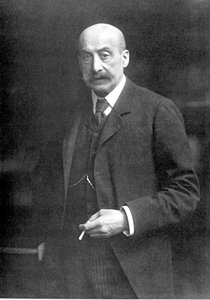
Max Liebermann (1847-1935): Vokiečių impresionizmo meistras, žinomas ryškiomis kasdienio gyvenimo scenomis, įspūdingais portretais ir ramiais sodų vaizdais. Atraskite jo palikimą!
§ 3Commentary
A Portrait of a Working Life
Max Liebermann’s “The Weaver” isn't merely a depiction of a woman at her loom; it’s a carefully constructed tableau that invites us into the heart of late 19th-century German craft. Painted in 1882, this oil-on-canvas work resides within the Stadelsches Kunstinstitut in Frankfurt, Germany, and immediately draws the viewer in with its warm palette and intimate setting. Liebermann, a master of capturing everyday life with an Impressionistic sensibility, skillfully avoids romanticizing the scene. Instead, he presents a realistic portrayal of a woman diligently engaged in her trade – a weaver working within the modest confines of her home. The composition is deliberately balanced, featuring the central figure bathed in soft light, surrounded by familiar domestic objects: a chair, a table laden with bottles and bowls, and glimpses of other individuals contributing to the household’s activity.
(Image source: Artvee)
Impressionism Meets Craftsmanship
Liebermann’s approach to “The Weaver” is a fascinating blend of Impressionistic techniques and a deep appreciation for the tangible world. He employs broken brushstrokes, layering colors to create a sense of light and atmosphere – a hallmark of the Impressionist movement. However, unlike many of his contemporaries who focused on capturing fleeting moments in nature, Liebermann grounds his work in the realities of daily life. The meticulous detail with which he renders the loom, the threads, and the textures of the fabrics speaks to his respect for the craft itself. This isn’t a painting about beauty; it's about honest labor and the quiet dignity of skilled artisans. The warm tones – ochres, browns, and muted yellows – evoke a sense of comfort and familiarity, suggesting the coziness of the weaver’s domestic space.
A Window into Social Dynamics
Beyond its aesthetic qualities, “The Weaver” offers a poignant glimpse into the social dynamics of the time. The scene unfolds within a humble dwelling, reflecting the lives of working-class families who relied on skilled crafts for their livelihood. Liebermann subtly portrays the interconnectedness of these individuals – the man weaving, the other figures assisting with various tasks. This isn’t a portrait of isolation; it's a depiction of community and shared labor. The painting serves as a reminder of the importance of artisans in society, highlighting their contribution to the economic and cultural fabric of the era. It subtly raises questions about social class and the value placed on manual labor – themes that resonate even today.
Color, Light, and Symbolism
Liebermann’s masterful use of color is central to the painting's impact. The warm hues create a sense of intimacy and tranquility, drawing the viewer into the scene. Notice how he uses light to illuminate the weaver’s hands as they move across the loom – a gesture that emphasizes her skill and dedication. The arrangement of objects within the room also carries symbolic weight. The bottles and bowls suggest sustenance and domesticity, while the loom itself represents both labor and creativity. “The Weaver” is more than just a representation of a craft; it’s a carefully considered meditation on work, community, and the beauty found in everyday life.
Klausimai ir atsakymai
Ar „The Weaver“ galima peržiūrėti papildydami realybę?
„The Weaver“ – Maksas Liberamanas puslapio Peržiūra papildintajai realybei funkcija naudoja papildytojąjį realybės technologiją, kad suderinamame įrenginyje parodytų kūrinį jūsų erdvėje.
Kuriam menininkui priskiriamas kūrinys „The Weaver“?
„The Weaver“ kūrybinį darbą sukūrė Maksas Liberamanas. Šioje puslapio informacijoje aprašomas Maksas Liberamanas originalus kūrinys.
Kaip kontrastas ir harmonija susilieja kūryboje „The Weaver“?
„The Weaver“ kūryboje Statement kontrastas susilieja su Softly Mixed Palette harmonija.




 Perjungti į spausdinamus版作品


 Dėl meno kūrinių ar reprodukcijų, kurių bet kuri pusė yra didesnė nei 105 cm (apie 41 inch), rėmas bus siunčiamas kaip išskaidytas surinkimo rinkinys. Šis metodas užtikrina saugų pristatymą ir apsaugo nuo transportavimo metu galimos žalos.


