


 Peržiūrėti realybėje
 Pasidalinti
 Dalintis
 Išsamiau

 Atsisiųsti
 Panašūs eksponatai
 Rentgeno nuotrauka
 Automatinė diorama
Boating beneath Echo Hill


 Skaityti daugiau
Rankų darbo aliejinės reprodukcijos
Rankiniu būdu tapytas aliejus ant droblio jūsų pageidaujamame dydį ir rėmuose – mūsų menininkų darbas pagal užsakymą. ( Pirkti spaudinį Pirkti vaizdą)




































Pasirinkite iš mūsų nustatytų dydžių, atitinkančių originalaus meno kūrinio proporcijas.

Galite įvesti savo matmenis, kad jie atitiktų konkretų rėmą ar erdvę. Jei pasirinktas dydis neatitinka originalaus paveikslėlio proporcijų, mes arba apkropsime meno kūrinį, arba papildysime tapybą rankomis dažytい elementais. Prieš pradėdami gamybą, jūsų patvirtinimui atsiųsime skaitmeninį maketą.
Atkreipkite dėmesį, kad ekrane rodomas vaizdas neatspindi tikrojo apkarpymo ar papildymo. Tik maketas tiksliai parodys galutinę kompoziciją.
Nors galima rinktis ir individualius dydžius, rekomenduojame pasirinkti matmenis iš nustatytos sąrašo, kad būtų išlaikytos originalios proporcijos.
Gavus užsakymą, AllPaintingsStore.com komanda susisieks su klientu el. paštu dėl instrukcijų ir pateiks maketo pavyzdį.
Pristatymas visame pasaulyje () per 3–4 savaites, o ne įprastai – per 5 savaites. (15 rugpjūtis). Kokybė lieka nepakeičiama.

Nemokamas greitasis pristatymas visame pasaulyje

Aukštos kokybės lininis drobė

Pilnas siuntimo draudimas

Muitinės mokesčių grąžinimo garantija

Tikro spalvų atitikimo garantija

60 dienų grąžinimo politika (tik esant gamyklinėms defektams)

100% pinigų grąžinimo garantija

Nuolaida už kelias reprodukcijas
 Stiklo variantas prieinamas tik pasirinkus dydį iki 110 cm

Boating beneath Echo Hill
Reprodukcijos technika
Reprodukcijos matmenys
-


Galutinė kaina
$ 308
Kūrinio aprašymas
panašūs kūriniai


Autoriaus biografija
Mei Qing (1623–1697): Echoes of Huangshan and the Spirit of Loyalist Landscape Painting
Mei Qing, born in Xuancheng, Anhui Province around 1623, stands as a pivotal figure in late Ming and early Qing landscape painting—a testament to artistic continuity amidst turbulent political upheaval. His life’s trajectory mirrored the broader cultural currents of his time, marked by scholarly pursuits and an unwavering devotion to Daoist ideals, profoundly shaping his distinctive style and enduring legacy.- Early Life & Training: Mei Qing's upbringing instilled in him a deep appreciation for Confucian ethics and humanist philosophy—values that would permeate his artistic worldview. He received formal instruction from Wang Meng, a respected calligrapher and landscape painter who championed the Huangshan School aesthetic. This mentorship proved instrumental in honing Mei Qing’s technical skills and fostering his understanding of Daoist principles concerning harmony with nature.
- The Huangshan Influence: Mei Qing's artistic journey found its epicenter in Huangshan Mountain, a UNESCO World Heritage Site revered for its misty peaks and serene beauty. Inspired by the pioneering landscape painters Huang Gongwang (1269–1354) and Ni Zan (1306–1374), he embraced a minimalist approach characterized by angular rock formations and sparsely rendered pines—a stylistic hallmark of the Huangshan School.
- Style & Technique: Mei Qing’s distinctive style is defined by its dry brush technique, meticulously executed on satin – a medium favored by masters of the Ming dynasty. He skillfully employed subtle tonal variations to convey atmospheric depth and evoke the ethereal qualities of Huangshan's landscape. His compositions prioritized balance and tranquility, reflecting Daoist contemplation and embodying the spirit of “wu wei” (無為)—effortless action—a core concept within Chinese philosophy.
- Notable Works: Among Mei Qing’s most celebrated paintings is "Boating beneath Echo Hill," completed in 1673. This monumental scroll captures a breathtaking vista of Huangshan Mountain, rendered with remarkable precision and imbued with palpable emotion. The painting's inscription—a poem dedicated to his teacher Old Li—underscores Mei Qing’s intellectual engagement and reinforces the importance of Daoist contemplation within artistic practice.
- Historical Significance: Mei Qing’s oeuvre represents a crucial bridge between Ming and Qing artistic traditions, demonstrating resilience in the face of dynastic change. His unwavering commitment to Huangshan's aesthetic—a symbol of spiritual retreat and harmonious coexistence—served as an inspiration for subsequent generations of artists. Furthermore, his stylistic innovations contributed significantly to the development of landscape painting during the Qing era, securing his place as one of China’s most influential painters.

mei qing
1623 - 1697
Trumpa informacija
- Artistic Movement Or Style: Huangshan School
- Artists Or Movements Influenced By This Artist:
- Huang Gongwang
- Ni Zan
- Artists Who Influenced This Artist: ['Wang Meng']
- Date Of Death: 1697
- Full Name: Mei Qing
- Nationality: Chinese
- Notable Artworks: ['Strolling in a Misty Valley']
- Place Of Birth: Xuancheng, Anhui Province
Susiję straipsniai

Beyond the Horizon: 10 Landscape Masterpieces for Your Home Decor
Journey through 10 breathtaking landscape paintings by Monet, Van Gogh & more! Explore iconic artworks, artistic techniques & find inspiration for your home decor. Museum-quality reproductions at AllPaintingsStore.com. Discover all masterpieces on AllPaintingsStore.com

Katsushika Hokusai: 25 Šedevrai Japonų Meno Istorijoje | AllPaintingsStore.com
Atraskite 25 įspūdingiausius Katsushika Hokusai kūrinius! Žiūrėkite *Didžiąją bangą*, *Fuji kalną* ir kitus Ukiyo-e stiliaus šedevrus. Meno reprodukcijos jūsų interjerui – AllPaintingsStore.com

10 Romantinių Peizažų Simbolių: Tapybos Majestatės Viršūnės
Atraskite 10 legendinių romantinio peizažo kūrinių! Pasinerkite į Claude Lorrain, Caspar David Friedrich ir J.M.W. Turner genijaus pasaulį. Išmokite apie tapybos meistriškumą bei gamtos grožį. Aukščiausios kokybės meno reprodukcijos – AllPaintingsStore.com. Tyrinėkite kolekciją!

Evocations of Place: A Historical Journey Through Landscape Art
Explore the rich history of landscape art with AllPaintingsStore. Discover renowned artists, movements like Impressionism & Romanticism, and expert guidance for collecting timeless pieces. Find your perfect serene escape today!
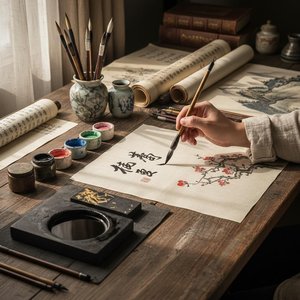
The Alchemy of Ink: Mastering the Timeless Beauty and Art History of Paper and Brush
Embark on a sophisticated exploration of ink wash painting and Sumi-e. Uncover the profound historical lineages, Zen philosophies, and technical mastery behind this timeless medium in our authoritative guide for fine art enthusiasts.



