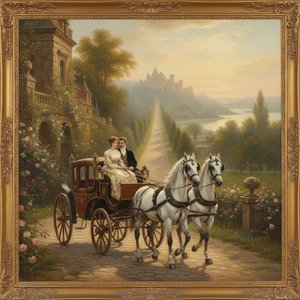
1935. Aliejus ant drobės.

§ 1Catalogue data


§ 2Abstract
Kolekcinio objekto aprašas
Štai Roerichio kūrinys „Armageddon“ – simbolinė ekspresionistinė drobė apie kosminį konfliktą bei žmogaus kovą už švietimą. Spalvos ir kompozicija įkvepia į klausimus dėl gyvenimo tikslo.
 Skaityti daugiau
Autoriaus biografija
Nikolai Konstantinovič Roerich (1874–1947) buvo iškilęs rusų artistas simbolizmo mokykloje, garsiai įrašytas į Baleto Rusijos istoriją ir švietimo pasaulyje pripažįstamai už kultūros apsaugą kovojusi veikėjas.
§ 3Commentary
Nicholas Roerich’s Armageddon: A Vision of Cosmic Conflict
Nicholas Roerich's “Armageddon” stands as a monumental testament to the artist’s profound engagement with spiritual symbolism and his masterful command of color and composition. Painted in 1935, this expansive canvas captures a dramatic tableau—a procession of riders atop horses confronting a towering castle-like edifice bathed in the ethereal glow of sunset—that transcends mere visual representation to embody complex philosophical ideas about humanity’s confrontation with divine judgment.
Subject Matter: The painting depicts a biblical scene referencing Revelation 16:16, portraying warriors traversing a desolate landscape towards a formidable fortress. This imagery immediately evokes associations with apocalyptic narratives and the struggle between good and evil. Roerich meticulously researched ancient myths and legends to infuse his canvases with symbolic depth, grounding his artistic vision in historical context.
Style: Roerich’s style is firmly rooted in Symbolism and Anthroposophy—a spiritual philosophy emphasizing the interconnectedness of humanity and cosmos—influencing his artistic vision. The artwork eschews realism, prioritizing expressive color palettes and stylized forms to convey emotional depth and spiritual significance rather than literal accuracy. This stylistic choice reflects Roerich’s belief that art could serve as a conduit for inner transformation.
Technique: Roerich employed a technique characterized by layering thin washes of pigment over textured surfaces, creating luminous effects that imbue the painting with an otherworldly quality. This meticulous approach contributes to the artwork’s palpable atmosphere and reinforces its symbolic intent. The artist's deliberate use of texture adds tactile dimension to the image, inviting viewers to contemplate the interplay between surface and depth.
Historical Context: Roerich's work emerged during a period marked by anxieties about impending global conflict and a burgeoning interest in esoteric traditions. He sought inspiration from Eastern mysticism and shamanic rituals, incorporating elements of these practices into his artistic explorations. The painting embodies Roerich’s conviction that art could inspire moral reflection and foster a deeper understanding of the human condition.
Symbolism: Recurring motifs—such as the castle, the horses, and the sunset sky—are laden with symbolic meaning, referencing biblical prophecies and representing concepts of divine authority, heroic struggle, and cosmic harmony. The castle symbolizes resilience against darkness, mirroring Roerich’s unwavering faith in humanity's capacity for spiritual renewal.
Emotional Impact: “Armageddon” evokes a powerful emotional response in viewers, prompting reflection on themes of courage, faith, and the confrontation between darkness and light. Its vibrant hues – predominantly reds, oranges, and yellows—reflect the fiery passion of divine retribution while simultaneously conveying hope for renewal. The painting’s dramatic composition captures the grandeur and terror inherent in existential battles, resonating with audiences seeking inspiration and contemplation.
Klausimai ir atsakymai
Ar „Armageddon“ – Nikolajus Rerichas naudoja ryškius kontrastus ar švelnias harmonijas?
„Armageddon“ – Nikolajus Rerichas spalvų kompozicijoje Pareiškimas kontrastas susilieja su Stiprus spalvų vientisumas harmonija.
Kokia naudojimo paskirtis ir erdvė rekomenduojama kūriniam darbui „Armageddon“ – Nikolajus Rerichas?
„Armageddon“ siūloma naudoti Akcentinis, o rekomenduojama erdvė – Viešbučio svetainė.
Kokią spalvų paletę naudoja „Armageddon“?
„Armageddon“ – Nikolajus Rerichas spalvų paletė apibūdinama kaip Žemiški tonai. Tai glaustas kūrinio spalvų aprašymas.


 Perjungti į spausdinamus版作品


 Dėl meno kūrinių ar reprodukcijų, kurių bet kuri pusė yra didesnė nei 105 cm (apie 41 inch), rėmas bus siunčiamas kaip išskaidytas surinkimo rinkinys. Šis metodas užtikrina saugų pristatymą ir apsaugo nuo transportavimo metu galimos žalos.