


 Peržiūrėti realaus dydžio版
 Siųsti
 Dalintis
 Išsamiau
 Vadovas

 Atsisiųsti
 Panašūs eksponatai
 Rentgeno spindulių nuotrauka
 Diaporama
 Statistika
Bird
 Japanese Traditional
 701
701 18.0cm x 26.0cm
 Rodyti daugiau
Giclée / Meno spausdinimas
Muziejų lygio „giclée“ arba drobos spausdinimas: greita gamyba ir lankstios apdailos parinktys. ( Pirkti rankomis tapytą reprodukciją Perejti prie skaitmeninių vaizdų)




































Pasirinkite iš mūsų nustatytų dydžių, atitinkančių originalaus meno kūrinio proporcijas.

Įveskite jums reikiamą plotį ir aukštį, kad atvaizdas derėtų prie jūsų rėmo ar sienos. Spausdiną galima tik sumažinti, bet nepadidinti virš originalaus paveikslėlio dydžio, todėl keičiant proporcijas, dalis vaizdo prarandama. Prieš spausdinimą atsiųsime jums skaitmeninį maketą patvirtinimui. Šioje puslapio nuotraukoje matomas pjūvis nėra tikslus – jį rodo tik maketas.
Pristatymas visame pasaulyje () per 2 weeks, o ne įprastas 4/5 savaičių laikotarpis. (25 spalis)

Nemokamas greitasis pristatymas visame pasaulyje

Aukštos kokybės lininis drobė

Pilnas siuntimo draudimas

Muitinės mokesčių grąžinimo garantija

Tikro spalvų atitikimo garantija

100 dienų grąžinimo politika (tik esant įtaigoms)

100% pinigų grąžinimo garantija

Nuolaida dideliems užsakymams
 Stiklo variantas prieinamas tik pasirinkus dydį iki 110 cm

Bird
Giclée / Meno spausdinimas
Reprodukcijos dydis
-


Visų pasirinktų variantų kaina
€ 56
Susiję kūriniai


Autoriaus biografija
A Life Woven in Lacquer and Verse: The World of Ogawa Haritsu
Ogawa Haritsu, also known as Ritsuō, was a figure who embodied the multifaceted spirit of Edo-period Japan. Born in 1663 in what is now Tokyo, his life unfolded during a time of relative peace and flourishing arts under the Tokugawa shogunate. While biographical details remain somewhat elusive—a common trait for artists of this era whose fame rested more on their creations than documented personal histories—Haritsu’s legacy speaks volumes through the exquisite works he left behind. He wasn't merely an artist; he was a polymath, equally adept with brush and ink as he was with lacquer and ceramic, a testament to the breadth of artistic training available to those within the samurai class.
The Versatile Hand: Painting, Poetry, and Lacquer Mastery
Haritsu’s talent wasn't confined to a single medium. He excelled in painting, particularly in the sumi-e style—the art of ink wash painting that emphasizes simplicity, spontaneity, and capturing the essence of nature. His poetry, though less widely known today than his visual works, reveals a sensitivity and depth of observation that clearly informed his artistic vision. However, it is for his lacquerware that Haritsu achieved lasting renown. He didn’t simply apply lacquer; he transformed it into breathtaking objects of art. His pieces often incorporated ceramic elements, showcasing an innovative approach to materials and techniques. This fusion wasn't merely decorative; it represented a deliberate exploration of texture, form, and the interplay between different artistic disciplines.
Blending Tradition with Innovation
The Edo period saw a continuation of established Japanese aesthetic principles—a reverence for nature, asymmetry, and subtle beauty. Haritsu deeply understood these traditions, but he wasn’t content to simply replicate them. He infused his work with a spirit of innovation, experimenting with new forms, techniques, and combinations of materials. His lacquerware, in particular, stands out for its intricate designs and the masterful use of maki-e (gold dust sprinkling) and other elaborate decorative methods. He moved beyond purely functional objects, creating pieces that were intended as works of art in their own right—a reflection of the growing appreciation for artistic expression during his lifetime.
A Lasting Legacy: Haritsu’s Influence on Japanese Art
Haritsu's contributions to Japanese art extended beyond the beauty of individual objects. He helped elevate lacquerware from a craft to a high art form, influencing generations of artists who followed in his footsteps. His blending of different artistic disciplines—painting, poetry, and industrial arts—demonstrated a holistic approach to creativity that resonated with many contemporaries and continues to inspire today. While he didn’t found a formal school or establish a large workshop, the impact of his style can be seen in the works of other Edo-period artists who embraced similar principles of innovation and craftsmanship.
Rediscovering Haritsu: A Modern Appreciation
Though celebrated during his lifetime, Haritsu's work experienced periods of relative obscurity after his death in 1747. In recent decades, however, there has been a renewed appreciation for his artistry. Museums and collectors alike have recognized the significance of his contributions to Japanese art, leading to increased scholarship and exhibitions dedicated to his life and works. His pieces offer a glimpse into the refined aesthetic sensibilities of Edo-period Japan—a world where beauty was found in simplicity, craftsmanship was valued above all else, and artists like Ogawa Haritsu dared to push the boundaries of tradition while remaining deeply rooted in its essence.

Ogawa Haritsu (Ritsuō)
1663 - 1747 , Japan
Trumpa informacija apie kūrėją
- Full Name: Ogawa Haritsu (Ritsuō)
- Nationality: Japanese
- Date Of Birth: 1663
- Date Of Death: 1747
- Place Of Birth: Tokyo, Japan
- Notable Artworks: ['Bird']
- Artistic Movement Or Style: Edo Period Art
Susiję straipsniai

Watercolor Wonders: 10 Masterpieces That Redefined Art History | AllPaintingsStore
Journey through 10 legendary watercolor masterpieces by Sargent, Turner & Homer! Explore iconic landscapes, portraits & floral art that redefined history. Find museum-quality reproductions and curated decor ideas at AllPaintingsStore.com.

Ephemeral Visions: Exploring the Artistic Legacy & Contemporary Practice of Watercolor Painting
Explore the captivating world of watercolor painting! Discover its rich history, essential techniques, influential artists & collecting tips. A comprehensive guide for art enthusiasts from AllPaintingsStore.

Ephemeral Visions: Exploring the Artistic Legacy & Nuances of Watercolor Painting
Explore the captivating world of watercolor painting! Discover its rich history, essential techniques, influential artists & collecting tips from art experts. A comprehensive guide for enthusiasts.

Ephemeral Visions: Exploring the History & Emotional Resonance of Watercolor Painting
Explore the captivating history of watercolor painting, from ancient techniques to modern masters like Kandinsky & Blake. Discover essential artists, collecting tips & the emotional power of this luminous medium. Expert insights for art enthusiasts.
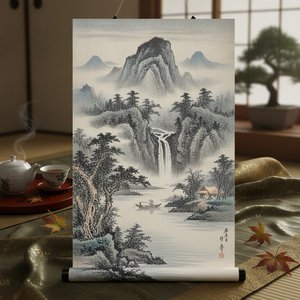
Serenity on Canvas: A Guide to the Timeless Beauty of Japanese Landscape Painting
Discover the serene beauty of Japanese landscape painting. From Hokusai's iconic woodblock prints to meditative sumi-e ink washes, explore a visual journey through the 'floating world' and learn how to bring this timeless Zen aesthetic into your modern home decor.

