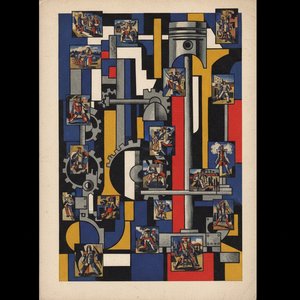
Oil.

§ 1Catalogue data


Šis kūrinys yra saugomas autorinės teisės
Šiame puslapyje rodomas meno kūrinys yra saugomas autorių teisių įstatymais, todėl neturime teisės legaliai kurti ar parduoti jo identiškos reprodukcijos. Ši apsauga užtikrinama remiantis tokiais tarptautiniais susitarimais kaip Bernės konvencija ir pagal nacionalines įstatymų nuostatas, įskaitant tas, kurias nurodo JAV autoriškos teisės įstatymas – 17-asis skyrius.
Kaip pagarbią ir teisėtą alternatyvą, mes siūlome pagal užsakymą rankomis dažytus paveikslus, įkvėptus originalo. Mūsų įgudę ir profesionalūs menininkai kruopščiai tiria originalo stilių, nuotaiką ir meninę esmę, kad sukurtų naują, unikalią kūrinį, kuris sukelia tą paties jausmą – išlikdamas tuo tarciau originaliu, savarankišku kūrybiniu darbu.
Šis metodas visiškai atitinka autorių teises, nes jame nėra saugomo kūrinio kopijavimo ar dubliavimo. Tai yra kūrybinė reinterpretacija – naujas paveikslas, kurį įkvėpė originalas, tačiau kuris nėra jo identiškas.
 Skaityti daugiau
§ 2Abstract
Kolekcinio objekto aprašas
Fragmented nude figures and vibrant Cubist planes define Pablo Picasso's Picnic, a surreal exploration of fertility and human anxiety that invites you to explore the profound depths of his mid-century mastery.
Autoriaus biografija
Pablo Picasso (1881–1973) – revoliucinis ispanų dailininkas ir skulptorius, kubizmo pradininkas bei įvairių stilių meistras. Jo ikoniniai darbai, tokie kaip „Guernica“, visciąż įkvepia milijonus žmonių.
§ 3Commentary
A Fragmented Vision: The Surrealist Depth of Picasso’s Picnic
Pablo Picasso’s Picnic, painted circa 1956, stands as a profound disruption of traditional representation, offering much more than a simple pastoral scene. It is a deliberate exploration of the anxieties inherent in the human experience, rendered through a lens that challenges the viewer to look beyond the surface. Within this composition, Picasso presents a group of nude women seated around a table laden with fruit—a motif that traditionally symbolizes fertility and abundance. However, beneath this veneer of plenty lies an unsettling psychological undertone. The painting does not merely depict a moment in time; it captures a fractured reality, where the boundaries between physical form and emotional state begin to blur.
The technique employed is a masterful application of Cubist principles, where Picasso fractures forms into geometric planes to present multiple perspectives simultaneously. By abandoning illusionistic realism in favor of intellectual abstraction, he forces an active engagement with the artwork’s visual language. The artist utilizes a bold and dynamic color palette, primarily featuring reds, yellows, and blues, to heighten the emotional impact and create a striking interplay between light and shadow. This method allows the viewer to experience the tension within the scene, as the vibrant hues clash with the more somber, distorted anatomy of the figures.
Symbolism and the Echoes of an Era
Beyond its striking visual presence, Picnic is deeply laden with symbolic significance. The fragmented bodies of the women serve as a mirror for psychological states, reflecting the fractured realities experienced during the post-World War II era. This period of history, characterized by pervasive uncertainty and disillusionment, finds its voice in Picasso’s distorted lines. The presence of a pregnant woman and a newborn infant adds a layer of complexity to the work, underscoring profound themes of motherhood, reproduction, and the daunting task of ensuring the continuation of life amidst global chaos.
The emotional impact of the piece is one of melancholy and deep contemplation. It invites those who encounter it—whether art enthusiasts, collectors, or designers seeking a centerpiece of intellectual depth—to confront uncomfortable truths about human existence while simultaneously appreciating the beauty of artistic innovation. For an interior space, a high-quality reproduction of this work offers more than mere decoration; it provides a focal point for conversation and a window into the transformative power of 20th-century modernism. The painting remains a testament to Picasso's ability to weave themes of vulnerability and strength into a single, unforgettable vision.
Klausimai ir atsakymai
Kokio išdėstymo formatas tinka kūriniui „Picnic“ – Pablo Pikaso?
„Picnic“ – Pablo Pikaso formatas Landscape rekomenduojamas Living Room erdvėje. Formatas ir erdvė kartu padeda tinkamai išdėsti reprodukciją.
Kaip „Picnic“ subalansuoja šviesą ir tamsą?
„Picnic“ – Pablo Pikaso užfiksuotas kaip shadow, pasižymintis Soft Shadow šviesos intensyvumu.
Kokia „Picnic“ – Pablo Pikaso suvokiamas ryškumas?
Perceptinis „Picnic“ – Pablo Pikaso ryškumas yra shadow. Jį galima suderinti su intended erdvės apšvietimu.



 Perjungti į spausdinamus版作品


 Dėl meno kūrinių ar reprodukcijų, kurių bet kuri pusė yra didesnė nei 105 cm (apie 41 inch), rėmas bus siunčiamas kaip išskaidytas surinkimo rinkinys. Šis metodas užtikrina saugų pristatymą ir apsaugo nuo transportavimo metu galimos žalos.