

Rostro (Pablo Picasso)
Graphite.

Plagių ir kuriasi meno spausdinimai nuo €38 (dydis 38 x 26 cm)
Ranku tapytos aliejaus reprodukcijos kaina – nuo €152
- Nemokamus pristatymas visame pasaulyje per 3–5 weeks
- Siuurti spausdininiai pristatomi per 3–5 weeks
- 100 dienų grąžinimo garantija ir pinigų grąžinimas
- ArtShopReviews.com vartotojų įvertinimas: 4.9/5 (remdamasi 241 apžvelgimais)
§ 1Katalogo duomenys


Šis kūrinys yra saugomas autorinės teisės
Šiame puslapyje rodomas meno kūrinys yra saugomas autorių teisių įstatymais, todėl neturime teisės legaliai kurti ar parduoti jo identiškos reprodukcijos. Ši apsauga užtikrinama remiantis tokiais tarptautiniais susitarimais kaip Bernės konvencija ir pagal nacionalines įstatymų nuostatas, įskaitant tas, kurias nurodo JAV autoriškos teisės įstatymas – 17-asis skyrius.
Kaip pagarbią ir teisėtą alternatyvą, mes siūlome pagal užsakymą rankomis dažytus paveikslus, įkvėptus originalo. Mūsų įgudę ir profesionalūs menininkai kruopščiai tiria originalo stilių, nuotaiką ir meninę esmę, kad sukurtų naują, unikalią kūrinį, kuris sukelia tą paties jausmą – išlikdamas tuo tarciau originaliu, savarankišku kūrybiniu darbu.
Šis metodas visiškai atitinka autorių teises, nes jame nėra saugomo kūrinio kopijavimo ar dubliavimo. Tai yra kūrybinė reinterpretacija – naujas paveikslas, kurį įkvėpė originalas, tačiau kuris nėra jo identiškas.
 Skaityti daugiau
§ 2Abstraktus
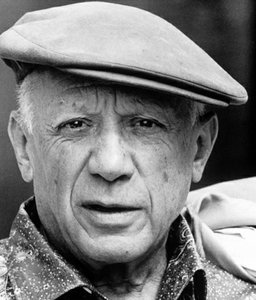
Rostro – Pablo Picasso kūrinys, paveikslas aprašymas
A profile portrait rendered in graphite, using dense hatching to sculpt a man's face and capture a sense of quiet melancholy.
Pablo Picasso: biografija
Ispanų kubistas, skaidantis perspektyvą į geometrines figūras ir monochromiškas mėgsinus – nuo melankališko Mėlynio iki ryškaus Rožinio periodų.
§ 3Komentaras
A Study in Monochrome: Exploring Picasso’s Rostro
Pablo Picasso's “Rostro,” a deceptively simple graphite drawing executed around 1920, transcends its minimalist aesthetic to deliver a profound meditation on human emotion and artistic exploration. This piece exemplifies Picasso’s mastery of dry media—specifically charcoal—and represents a pivotal moment in his oeuvre, marking a shift towards greater introspection and stylistic refinement following the initial burst of Cubist experimentation.
- Subject Matter: The artwork centers on a portrait of a man's face in profile. Its stark simplicity belies its depth; Picasso deliberately eschews color to focus entirely on capturing the essence of human expression through tonal variation and meticulous line work.
- Style & Technique: “Rostro” embodies Picasso’s signature style—a blend of realism and expressive abstraction—characteristic of his later years. The artist employs dense hatching and cross-hatching techniques, meticulously layering graphite to achieve remarkable textural detail and conveying a palpable sense of melancholy.
- Composition: The composition is strikingly focused, cropping tightly around the facial features – nose, eye, mouth, and beard – creating an immediate connection with the viewer. Picasso skillfully utilizes directional lighting from the upper right to sculpt the contours of the face and accentuate shadows, enhancing depth and drama.
Decoding Symbolism: Beyond Surface Appearance
While seemingly devoid of overt narrative content, “Rostro” resonates with symbolic significance rooted in Picasso’s broader artistic concerns. The monochromatic palette—primarily shades of gray—reflects a preoccupation with psychological states and the exploration of inner landscapes. Furthermore, the intense gaze captured in the eye suggests contemplation and perhaps vulnerability, inviting viewers to consider themes of solitude and self-awareness.
- Emotional Impact: Picasso’s masterful rendering of facial musculature communicates an unspoken emotion—a quiet sadness—that lingers beyond the visual surface. The drawing's textural quality contributes to this emotional resonance, mirroring the complexities of human experience.
- Historical Context: Produced during Picasso’s period of artistic maturation, “Rostro” aligns with his ongoing investigation into portraiture and psychological realism. It stands as a testament to his ability to distill profound ideas into deceptively understated visual forms—a hallmark of his enduring legacy.
Technical Mastery: The Art of Graphite Rendering
Picasso’s technique in “Rostro” demonstrates an unparalleled command of graphite rendering. He achieves remarkable tonal gradation through the strategic application of hatching and cross-hatching, creating a rich surface texture that contrasts sharply with subtle highlights. This meticulous attention to detail underscores Picasso's dedication to capturing not merely likeness but also feeling—a feat accomplished with unwavering precision.
- Materials Used: The artwork utilizes graphite pencils on paper – a choice reflecting Picasso’s preference for understated materials that allow the artist’s vision to shine through.
- Perspective & Depth: Subtle shading and overlapping forms contribute to an illusion of depth, guiding the viewer's eye across the portrait and reinforcing its emotional impact.
“Rostro” remains a compelling exemplar of Picasso’s artistic genius—a testament to his ability to transform simple materials into expressions of profound human emotion and intellectual contemplation.
Klausimai ir atsakymai
Ar ši Rostro reprodukcija yra suintampa rankiniu būdu ar atspausdinta?
Spausdinimas: Rostro yra atspausdintas giclée technika ant medžioje pagrįsto medinio drobilo arba „Epson“ archyvinio drobilo popieriaus.
Kokią dydį turėčiau pasirinkti darbui Rostro?
Dydviai svyra nuo 37.9 x 26.4 cm (€38) iki 244.5 x 170.4 cm (€300); šioje pusėje pateiktoje lentelėje nurodyti pagrindiniai etapai ir jų kainos.
Kiek trunka pristatymas?
Įlenktas į vamzdikį spauskinys pristatomas nemokamai reguliaru paštu per 3–5 weeks; įkapsliuotas arba įrėminas spauskinys pristatomas per 4–5 weeks, o šioje puslapyje siūlomas skubus pristatymo variantas. Jį galite grąžinti per 100 dienų ir gauti visą sumokėtą sumą be jokių papildomų sąlygų.
Ar originalus kūrinys Rostro yra piešinys ar paveikslas?
Piešinys: Pablo Picasso jį sukūrė naudojant Graphite.


 Ecsio dalis aliejuje


 Dėl meno kūrinių ar reprodukcijų, kurių bet kuri pusė yra didesnė nei 105 cm (apie 41 inch), rėmas bus siunčiamas kaip išskaidytas surinkimo rinkinys. Šis metodas užtikrina saugų pristatymą ir apsaugo nuo transportavimo metu galimos žalos.


