

1900. Aliejus.

§ 1Katalogo duomenys


§ 2Abstraktus
Kolekcinio objekto aprašas
Delve into Cézanne's revolutionary Post-Impressionist masterpiece! Explore 'Apples on a Sheet,' analyzing its geometric forms, muted colors & influence on Picasso – now available as stunning reproductions.
 Skaityti daugiau
Autoriaus biografija
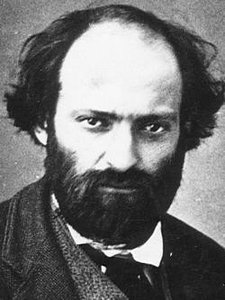
Paul Cézanne (1839–1906) – postimpresionistų pradininkas, jungiantis impresionizmą ir kubizmą. Tyrė geometrines formas, stilizuotus peizažus bei paveikslų kompozicijas, sukeldamas revoliuciją moderniajame mene.
§ 3Komentaras
A Quiet Revolution in Still Life
In the realm of Post-Impressionism, few works capture the profound transformation of the mundane as elegantly as Paul Cézanne’s Apples on a Sheet. Created around 1900, this masterpiece serves as a testament to the artist's unwavering belief in the power of visual experience to elevate the commonplace. At first glance, the scene appears deceptively simple: a collection of apples rests upon a sheet of paper, arranged with a deliberate orchestration that guides the viewer’s eye through a carefully constructed space. Yet, beneath this surface of stillness lies a radical departure from traditional artistic conventions, offering a window into a mind that sought to reconstruct reality rather than merely mimic it.
Cézanne’s approach to the subject matter transcends mere representation, turning a simple arrangement of fruit into an exploration of depth and volume. By eschewing traditional perspective, he utilizes overlapping planes and subtle contours to create a sense of weight and presence. The placement of the apples is far from random; they are positioned at varying distances from the viewer, fostering an intricate interplay of light and shadow that lends the composition a remarkable textural richness. A subtle anchor in the upper left corner—a chair—provides a grounding context, subtly elevating the piece beyond a simple depiction of fruit into a structured visual narrative.
The Architecture of Color and Form
To observe Apples on a Sheet is to witness the bridge between the fleeting light of Impressionism and the structural rigor of Cubism. Cézanne meticulously builds the image through small, rhythmic brushstrokes—a technique that prioritizes the permanence of form over the illusion of momentary light. This method allows him to manipulate muted hues to create an atmosphere of profound contemplation and stillness. Unlike the shimmering, ephemeral effects sought by his Impressionist contemporaries, Cézanne favors a solidity and permanence reminiscent of sculpture, treating each apple as a geometric building block within a larger architectural whole.
For the discerning collector or interior designer, this painting offers more than just aesthetic beauty; it provides a focal point of intellectual and emotional depth. The painting’s ability to command a space through its balanced composition and tonal harmony makes it an ideal centerpiece for sophisticated environments. It invites the viewer into a state of quiet observation, where the simple act of looking becomes a way to appreciate the enduring essence of the natural world. Whether viewed as a study in color or a precursor to modern abstraction, this work remains a timeless emblem of artistic innovation.
Klausimai ir atsakymai
Kokia yra „Apples on a Sheet“ – Polis Sezanas kūrybos data ir stilius?
„Apples on a Sheet“ – Polis Sezanas sukurta 1900 m. ir priklauso Post-Impressionism stiliui.
Ar „Apples on a Sheet“ – Polis Sezanas yra žinomas kūrinys?
„Apples on a Sheet“ klasifikuojamas kaip Ikoniniai.
Ar „Apples on a Sheet“ – Polis Sezanas yra portretinė, peisžinio tipo ar kvadratinė kompozicija?
„Apples on a Sheet“ – Polis Sezanas kūrinio formatas yra Horizontalus formatas. Formatas aprašo kompozicijos proporcijas.


 Perjungti į spausdinamus版作品


 Dėl meno kūrinių ar reprodukcijų, kurių bet kuri pusė yra didesnė nei 105 cm (apie 41 inch), rėmas bus siunčiamas kaip išskaidytas surinkimo rinkinys. Šis metodas užtikrina saugų pristatymą ir apsaugo nuo transportavimo metu galimos žalos.


