

Acrylic On Canvas.

§ 1Catalogue data

§ 2Abstract
Kolekcinio objekto aprašas
Delve into Paul Klee's 'Cote de Provence,' an abstract masterpiece blending geometric shapes and vibrant hues—a testament to his pioneering approach to color and form. Explore its intricate design at AllPaintingsStore.
 Skaityti daugiau
Autoriaus biografija
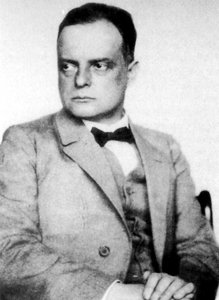
Paulis Klė (1879–1940) – šveicarų-vokietis ekspresionistas, kūrėsi tarp kubizmo ir surrealizmo. Jo spalvingi paveikslai, tokie kaip "Hamamet", garsina moderniąją dailę.
§ 3Commentary
A Symphony of Shapes and Colors: Decoding “Cote de Provence” by Paul Klee
Paul Klee’s “Cote de Provence,” painted in 1927, stands as a testament to the artist's unwavering commitment to abstraction while simultaneously resonating with profound emotional depth. More than just a depiction of landscape—though undeniably inspired by the Provençal countryside—the painting embodies Klee’s pioneering exploration of visual language and his belief that art could transcend mere representation to communicate universal truths. This analysis delves into the intricacies of its composition, technique, historical significance, and enduring impact on viewers seeking artistic contemplation.Compositional Harmony: Vessels Amidst Geometric Forms
The artwork immediately captivates with its dynamic arrangement of geometric shapes—circles, squares, triangles—interwoven in a tapestry of muted hues predominantly dominated by earthy tones like ochre, terracotta, and slate grey. Scattered across the canvas are several boats, strategically positioned to create visual depth and guide the eye’s gaze. These vessels aren't merely decorative elements; they serve as symbolic representations of journeys, exploration, and perhaps even subconscious anxieties—a recurring motif in Klee’s oeuvre. The careful placement of these forms contributes to a sense of balance and order within the overall abstract landscape, mirroring Klee’s fascination with architectural plans and structural principles.Technique: Watercolor on Paper – Embracing Chance and Intuition
Klee employed watercolor on paper as his medium, a technique that championed spontaneity and allowed for an embrace of chance—a cornerstone of his artistic philosophy. Unlike traditional oil painting, watercolor relies on diluted pigments applied in thin washes, resulting in translucent layers that subtly blend together over time. This process fostered an atmosphere of fluidity and unpredictability, mirroring the artist’s desire to capture not just what he saw but also what he felt. The delicate textures achieved through layering and blotting contribute to the painting's ethereal quality, inviting viewers to contemplate its visual poetry.Historical Context: Bauhaus Influence and Artistic Avant-Garde
“Cote de Provence” emerged during Klee’s time at the Bauhaus School in Dessau, Germany—a crucible of artistic innovation that sought to unify art, craft, and technology. The Bauhaus ethos profoundly impacted Klee's aesthetic sensibilities, encouraging him to prioritize form and color over realistic depiction. This painting exemplifies the broader movement toward abstraction prevalent in European art during the 1920s, reflecting a rejection of academic conventions and an embrace of experimental approaches. It aligns with the Zeitgeist of a period marked by intellectual ferment and artistic experimentation—a desire to redefine visual expression as a tool for conveying emotion and exploring psychological landscapes.Symbolic Resonance: Vessels as Representations of Inner Reflection
Beyond its formal qualities, “Cote de Provence” is laden with symbolic significance. The boats themselves can be interpreted as representations of voyages into the subconscious mind—a preoccupation that characterized Klee’s artistic vision throughout his career. They symbolize aspiration, movement, and perhaps even a confrontation with uncertainty. Furthermore, the muted color palette evokes feelings of tranquility and contemplation, inviting viewers to immerse themselves in the painting's serene atmosphere. Like many of Klee’s works, “Cote de Provence” encourages introspection and prompts us to consider the deeper meanings embedded within its visual elements—a legacy that continues to inspire artists and collectors alike.Klausimai ir atsakymai
Kaip „Cote de provence“ spalvos dera vienas su kitu?
„Cote de provence“ spalvų harmonija yra apibūdinama kaip Balanced Harmony.
Kokios nacionalinės kilmės šaknys slypi „Cote de provence“ Abstract Expressionism?
„Cote de provence“ sujungia Abstract Expressionism stilių su Šveicarija, atspindėdama kūrėjo gimimo vietą.
Kur galiu rasti „Cote de provence“ vadovą?
Dėl „Cote de provence“ – Polis Klė yra prieinama Informacinė medžiaga puslapio: spausdinamas informacinis lapelis apie kūrinį, skirtas studentams ir mokomajamiam procesui klasėje.


 Perjungti į spausdinamus版作品


 Dėl meno kūrinių ar reprodukcijų, kurių bet kuri pusė yra didesnė nei 105 cm (apie 41 inch), rėmas bus siunčiamas kaip išskaidytas surinkimo rinkinys. Šis metodas užtikrina saugų pristatymą ir apsaugo nuo transportavimo metu galimos žalos.


