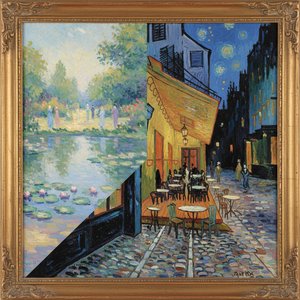
1925. Oil On Canvas. Tate Gallery.

§ 1Catalogue data


§ 2Abstract
Kolekcinio objekto aprašas
Discover 'The Window' by Pierre Bonnard – a serene oil painting capturing domestic intimacy and light. Explore its artistic context, key features, and the legacy of this iconic Intimist masterpiece.
 Skaityti daugiau
Autoriaus biografija
Prancūzų post-įspūdinis dailininkas Pierre Bonnard (1867–1947) žinomas dėl intymių scenų, ryškių spalvų ir 'Intimist' stiliaus. Tyrinėkite jo palikimą bei ikoninius kūrinius, tokius kaip "Moteris rombiniame sijone"!
§ 3Commentary
The Window by Pierre Bonnard: A Study in Light, Memory, and Intimacy
Pierre Bonnard’s “The Window,” painted in 1925, isn't merely a depiction of a domestic scene; it’s an exquisitely rendered meditation on light, memory, and the quiet beauty of everyday life. Housed within the Tate Gallery in London, this oil-on-canvas masterpiece invites us into a world of muted colors, subtle shifts in tone, and a profound sense of contemplative stillness. Bonnard, a key figure in the Nabis movement—a group of artists who sought to break from academic traditions and explore subjective experience—crafted “The Window” with a deliberate focus on capturing the *feeling* of a moment rather than a photographic representation.
Bonnard’s artistic journey was marked by a constant exploration of color and form. Initially influenced by Paul Gauguin's bold use of pigment and Japanese prints, he gradually developed his own distinctive style—characterized by flattened perspectives, simplified forms, and an almost obsessive attention to the interplay of light and shadow. “The Window” exemplifies this approach perfectly. The scene unfolds within a modestly furnished room, dominated by a large window that serves as both a visual anchor and a source of profound atmospheric effect. Notice how Bonnard doesn’t strive for realistic representation; instead, he uses color—a delicate blend of blues, greens, yellows, and browns—to evoke the *impression* of light filtering through the glass, casting soft shadows across the table and illuminating the objects within.
A Symphony of Color and Light
Bonnard’s technique is remarkably subtle yet powerfully effective. He employs a broken brushstroke, layering colors in thin washes to create a sense of depth and luminosity. The light itself isn't sharply defined; it’s diffused and atmospheric, suggesting a hazy afternoon or the gentle glow of twilight. Observe how he uses complementary colors—such as blue and orange—to heighten the visual impact and create a dynamic tension within the composition. The arrangement of objects on the table – books, bottles, and a vase – is deliberately understated, serving primarily to frame the window and contribute to the overall sense of tranquility. It’s not about showcasing possessions; it's about capturing the *feeling* of being present in that space.
The painting’s historical context is crucial to understanding its significance. “The Window” was created during a period of personal upheaval for Bonnard, as he and his wife, Marthe de Méligny, were navigating an increasingly complex relationship. Despite the potential for emotional turmoil, Bonnard managed to imbue this scene with a remarkable sense of serenity and intimacy. The woman seated at the window—her face partially obscured by shadow—appears lost in thought, seemingly detached from the world outside. This suggests a state of introspection or perhaps a longing for something beyond the confines of the room.
Symbolism and Emotional Resonance
While Bonnard’s work is often characterized by its apparent simplicity, “The Window” is rich with symbolic meaning. The window itself represents a portal—a connection between the interior world of the subject and the external environment. It also symbolizes memory and reflection, as the woman's gaze seems to be directed inward, contemplating her past or perhaps anticipating the future. The books on the table could represent knowledge, wisdom, or simply the comfort of familiar companions. The bottles might hint at a shared moment of relaxation or contemplation.
Ultimately, “The Window” is more than just a painting; it’s an invitation to slow down and appreciate the beauty of the ordinary. It's a testament to Bonnard’s ability to capture the essence of human experience—the quiet moments of reflection, the subtle shifts in light and color, and the enduring power of memory. Reproductions of this work offer a remarkable opportunity to bring this evocative scene into your own home, allowing you to share in its timeless appeal.
Technical Details & Reproduction Considerations
The original painting measures approximately 73 x 92 cm (28.7 x 36.2 inches). Bonnard’s masterful use of color and texture is particularly evident when viewed at close range, revealing the delicate layering of brushstrokes that create such a luminous effect. When considering reproductions, it's important to select high-quality prints that accurately capture the nuances of Bonnard’s palette and technique. Archival inks and fine art paper are essential for ensuring long-lasting color fidelity and preventing fading or discoloration.
AllPaintingsStore offers meticulously crafted hand-painted reproductions of “The Window” in a variety of sizes and formats, allowing you to experience the beauty of this iconic artwork in your own space. Our skilled artists carefully replicate Bonnard’s unique style, ensuring that each reproduction is a faithful representation of the original masterpiece.
Klausimai ir atsakymai
Kokia „The Window“ – Pjeras Bonaras švytėjimo (luminance) intensyvumas?
„The Window“ – Pjeras Bonaras šviesos intensyvumas yra Soft Shadow. Šviesos intensyvumas apibūdina, kiek šviesos, kaip atrodo, atspindi spalvos.
Ar galiu naudoti papildytojąjį realybės technologiją, kad pamatytumėte „The Window“ – Pjeras Bonaras savo kambaryje?
„The Window“ – Pjeras Bonaras galite išbandyti ant savo sienos naudodami papildytoji realybės funkciją suderinamame įrenginyje per šio kūrinio Peržiūra papildintajai realybei puslapį.
Koks yra rekomenduojamas „The Window“ spausdinimo formatas – koks dydis ir orientacija?
Dėl „The Window“ rekomenduojamas spausdinimo nustatymas yra Medium dydžio ir Portrait orientacijos.


 Perjungti į spausdinamus版作品


 Dėl meno kūrinių ar reprodukcijų, kurių bet kuri pusė yra didesnė nei 105 cm (apie 41 inch), rėmas bus siunčiamas kaip išskaidytas surinkimo rinkinys. Šis metodas užtikrina saugų pristatymą ir apsaugo nuo transportavimo metu galimos žalos.