


 Peržiūrėti realaus dydžio版
 Siųsti
 Dalintis
 Išsamiau
 Gidas
Gidas

 Atsisiųsti
 Panašūs eksponatai
 Rentgeno spindulių nuotrauka
 Diaporama
 Statistika
A LA VILLA FARNESE LES DEUX PEUPLIERS


 Rodyti daugiau
Rankų darbo aliejinės reprodukcijos
Rankiniu būdu tapytas aliejus ant droblio jūsų pageidaujamame dydį ir rėmuose – mūsų menininkų darbas pagal užsakymą. ( Perjungti į spausdinimą Perejti prie skaitmeninių vaizdų)




P118B $10

P118H $10

P118W $10

P438Z $10

P508JH $12

P508YH $12

P805H $10

P805Z $10

P919BZ $10

P919G $10

P919XJ $10

P959ZH $10

P968JZ $12

W106C $8

W218G $10

W218JH $8

W218Y $10

W307PJ $10

W316G $10

W316PJ $8

W316Y $10

W398PJ $8

W4111J $10

W500HY $15

W500JH $15

W692G $12

W849H $8

W940BG $15

W953PJ $8




Pasirinkite iš mūsų nustatytų dydžių, atitinkančių originalaus meno kūrinio proporcijas.

Galite įvesti savo matmenis, kad jie atitiktų konkretų rėmą ar erdvę. Jei pasirinktas dydis neatitinka originalaus paveikslėlio proporcijų, mes arba apkropsime meno kūrinį, arba papildysime tapybą rankomis dažytい elementais. Prieš pradėdami gamybą, jūsų patvirtinimui atsiųsime skaitmeninį maketą.
Atkreipkite dėmesį, kad ekrane rodomas vaizdas neatspindi tikrojo apkarpymo ar papildymo. Tik maketas tiksliai parodys galutinę kompoziciją.
Nors galima rinktis ir individualius dydžius, rekomenduojame pasirinkti matmenis iš nustatytos sąrašo, kad būtų išlaikytos originalios proporcijos.
Gavus užsakymą, AllPaintingsStore.com komanda susisieks su klientu el. paštu dėl instrukcijų ir pateiks maketo pavyzdį
Pristatymas visame pasaulyje () per 3–4 savaites, o ne įprastai – per 5 savaites. (21 rugsėjis). Kokybė lieka nepakeičiama.

Nemokamas greitasis pristatymas visame pasaulyje

Aukštos kokybės lininis drobė

Pilnas siuntimo draudimas

Muitinės mokesčių grąžinimo garantija

Tikro spalvų atitikimo garantija

100 dienų grąžinimo politika (tik esant įtaigoms)

100% pinigų grąžinimo garantija

Nuolaida dideliems užsakymams
 Stiklo variantas prieinamas tik pasirinkus dydį iki 110 cm

A LA VILLA FARNESE LES DEUX PEUPLIERS
Reprodukcijos technika
Reprodukcijos dydis
-


Visų pasirinktų variantų kaina
$ 258
A Window on Provence: Valenciennes’ “Fabriques à la Villa Farnèse”
Pierre-Henri de Valenciennes' "Fabriques à la villa Farnèse: les deux peupliers" is more than just a landscape painting; it’s a carefully constructed tableau of light, space, and the quiet dignity of rural life in 18th-century France. Completed around 1800, this oil on canvas transports us to a sun-drenched corner of Provence, capturing not merely a scene but an atmosphere—a sense of timelessness and serene beauty that has captivated viewers for centuries. The painting’s enduring appeal lies in its masterful blend of classical composition, subtle color palettes, and a distinctly Impressionistic approach to light and texture.
The subject itself is deceptively simple: a cluster of buildings nestled amongst rolling hills, dominated by two imposing cypress trees that reach towards the azure sky. However, Valenciennes elevates this commonplace vista through his deliberate choices. The architecture—likely representing a small village or estate – isn’t rendered with sharp detail; instead, it's suggested through carefully placed rectangles and geometric forms, creating an illusion of depth without resorting to strict linear perspective. This technique, characteristic of Valenciennes’ style, prioritizes the overall impression over photographic accuracy, aligning with his influential theory of “landscape portraits.” He believed that capturing the *feeling* of a place was more important than a precise representation.
The Influence of "En Plein Air"
Valenciennes' work is inextricably linked to the burgeoning movement of “en plein air” painting – working outdoors directly from nature. This revolutionary approach, championed by artists like Jean-Baptiste-Camille Corot and later Claude Monet, sought to capture the fleeting effects of light and atmosphere with unprecedented immediacy. Valenciennes’ early studies in Rome laid the groundwork for this philosophy, as he meticulously observed and painted landscapes at different times of day, documenting the subtle shifts in color and shadow. “Fabriques à la villa Farnèse” exemplifies this dedication, showcasing how the artist skillfully rendered the dappled sunlight filtering through the trees and the hazy warmth of the afternoon light.
The painting’s composition is carefully balanced, drawing the eye towards the central group of buildings while simultaneously establishing a sense of vastness. The cypress trees, acting as vertical anchors, frame the scene and create a visual rhythm that guides the viewer's gaze. Notice how Valenciennes uses subtle variations in color—a touch more warmth here, a hint of cooler blue there—to suggest depth and distance. This masterful manipulation of light and shadow is what truly brings the landscape to life, imbuing it with an almost palpable sense of atmosphere.
A Portrait of a Place
Beyond its technical brilliance, “Fabriques à la villa Farnèse” offers a glimpse into the social and cultural context of 18th-century France. The scene evokes a sense of rural tranquility—a world removed from the bustle of Parisian life. The buildings themselves suggest a modest estate, hinting at a simpler way of life rooted in agriculture and tradition. Valenciennes wasn’t simply depicting a landscape; he was creating a portrait of a place, capturing its essence and conveying a feeling of quiet dignity.
Interestingly, the painting's title—"Fabriques à la villa Farnèse"—references a real estate development near Rome, suggesting that Valenciennes may have been inspired by this architectural style. The two prominent cypress trees are particularly significant; in Italian art and culture, they often symbolize mourning or remembrance, adding a layer of subtle symbolism to the composition. Despite this potential melancholy, the overall effect remains one of serene beauty and timelessness.
Recreating the Essence: Reproductions
Today, reproductions of “Fabriques à la villa Farnèse” are prized for their ability to capture the painting’s atmospheric quality and evocative power. AllPaintingsStore offers meticulously crafted hand-painted reproductions that faithfully recreate Valenciennes' unique style and technique. These high-quality prints allow art lovers to bring this timeless masterpiece into their homes, experiencing its beauty and serenity firsthand. Whether you are a seasoned collector or simply seeking to add a touch of Provençal charm to your interior décor, a reproduction of “Fabriques à la villa Farnèse” is sure to be a treasured addition to any collection.
Susiję kūriniai


Autoriaus biografija
ankstyvasis gyvenimas ir mokslas
Pierre-Henri de Valenciennes, prancūzų dailininkas, gimė 1750 m ธ gruodžio 6 d. Nors laikraščiuose nėra tiksliai nurodyta jo gimimo vieta, jo indėlis į meno pasaulį yra itin gerai dokumentuotas. De Valenciennes' ankstyvasis mokslas ir edukacija nėra išsamiai užfiksuoti, tačiau žinoma, kad nuo 1778 m. iki 1782 m. jis dirbo Romoje, kur atliko daugybę peizažų studijų tiesiog iš gamtos.įtakis plenerio tapui
de Valenciennes buvo itin svarbus pakeliant en plein air (atvirose erdvėse) tapybos statusą. Jo darbas Romoje paskatino jo teorijos vystymą, kuri buvo išdėliama 1800 m. traktate Refleksijos ir patarimai studentui apie tapybą, ypač apie peizažą. Ši koncepcija pristatė „peizažo portretą“ – idėją, kurioje paveikslas kuriamas tiesiog žiūrint į kraštą ir fiksuojant jo specifines detales. Tokiu būdu de Valenciennes galėjo įamžinti trapias gamtos transformacijas, kurias sukelia šviesa ir oroda.žymūs mokiniai ir įtaka
tarp jo iškilmingų mokinių buvo Jean-Victor Bertin, Achille Etna Michallon, Louis Étienne Watelet, Louis-François Lejeune bei pirmasis prancūzų panoramos paveikslų meistras Pierre Prévost. De Valenciennes įtaka šiemyje menininkams ir jo indėlis plenerio tapybos vystymui paliko neįkainojamą pėdsaką pasaulinėje menėje.vėlesnieji metai ir mirtis
de Valenciennes mirė Paryzuje 1819 m. vasario 16 d. Jis yra palaidotas Père Lachaise kapinėse – garsioje Paryžiaus kapinių vietoje, žinomioje savo iškilmingais gyventojais.- žiūrėti Pierre-Henri de Valenciennes kūrybą AllPaintingsStore.com svetainėje
- atradti daugiau apie Musée des Beaux-Arts Valence, muziejų, kuriame eksponuojami Europos tapybos ir skulptūros darbai, AllPaintingsStore.com
- sužinoti daugiau apie prancūzų meną ir jo istoriją Wikipedia
paliktis
Pierre-Henri de Valenciennes paliktis meno pasaulyje yra neabejingas. Jo pionieriškas darbas plenerio tapybėje įkvėpė daugybę menininkų kartų, o jo įtarmą galima pajusti ir šiandien. Per savo traktatą bei savo mokinius de Valenciennes paliko neištrinkiamą žymą visoje meno istorijoje.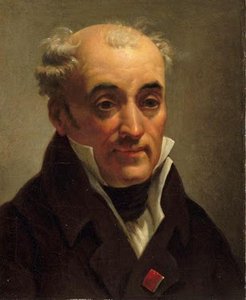
Pjer-Anri De Valensėn
1750 - 1819 , Prancūzija
Trumpa informacija apie kūrėją
- Artinis Stilius Ar Kryptis: Plenairinis tapybos stilius (en plein air)
- Artistai, Kurie Paveikė Šį Artistą:
- Jean Victor Bertin
- Achille Etna Michallon
- Gimimo Data: 1750 m. gruodžio 6 d.
- Gimimo Vieta: Tuluza, Prancūzija
- Mirties Data: 1819 m. vasario 16 d.
- Tautybė: Prancūzų
- Vardas, Pavardė: Pierre Henri de Valenciennes
- Šį Artistą Įkvėlusios Menininkai Ar Kryptys: ['Pierre Chauvin']
- Žinomos Kūriniai:
- Village de Nemi
- A LA Villa Borghese Chemin borde d'arbres
Susiję straipsniai

Tranquil Countryside Paintings: A Professional Procurement Guide to Landscape Decor for Hotels and Corporate Offices
Elevate hospitality interiors with tranquil landscape paintings. APS offers professional procurement of hand-painted oil reproductions, multi-panel sets, and custom murals for hotels and offices. Reliable global shipping, bulk ordering, and digital mockups for seamless design execution.

