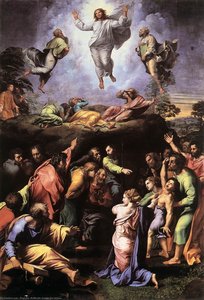
Oil On Canvas.

§ 1Katalogo duomenys


§ 2Abstraktus
Kolekcinio objekto aprašas
Raphael's "St George Fighting the Dragon" embodies Renaissance chivalry and faith—a masterful depiction of Saint George slaying the dragon commissioned by Pope Julius II. Explore its symbolism at AllPaintingsStore.com!
 Skaityti daugiau
Autoriaus biografija
Raphelis (1483–1520) – Renesanso meistras, žinomas dėl savo serenų Madonų, architektūrinio talento ir ikoninių kūrinių, tokių kaip „Atėnų mokykla“. Ištykite jo kilmes Urbine ir meninę palikimą.
§ 3Komentaras
Saint George Fighting the Dragon (Raphael) - A Renaissance Triumph
The painting “Saint George Fighting the Dragon” by Raphael stands as an emblem of Christian courage and faith, embodying the ideals of the High Renaissance. Executed around 1506 in Florence during Raphael’s Florentine period—a time marked by artistic experimentation and engagement with humanist thought—this masterpiece resides within the National Gallery of Art in Washington D.C., offering visitors a glimpse into one of the era's most celebrated artworks.
Commissioned by Guidobaldo da Montefeltro, Duke of Urbino, Raphael’s depiction aligns perfectly with the prevailing cultural climate of the time—a fascination for classical mythology and a renewed interest in moral philosophy. The Duke himself was a condottiero, or mercenary leader, demonstrating a pragmatic understanding of power alongside an appreciation for artistic excellence.
The painting's composition is masterful, reflecting Raphael’s meticulous attention to detail and his mastery of perspective. St George, mounted on a white horse—a symbol of purity and nobility—faces off against the dragon—representing evil and pagan superstition—creating a dynamic visual narrative that captures the essence of the saint’s heroic struggle.
- Subject Matter: The legend recounts how Saint George vanquished a dragon terrorizing a village, rescuing a princess from imminent peril. This narrative draws upon pre-Christian traditions but was adapted into Christian iconography during the medieval era.
- Style: Raphael’s Florentine style is characterized by serene grace and harmonious balance—a departure from Michelangelo's dramatic intensity. The painting exemplifies the Neoplatonic ideal of human grandeur, reflecting Raphael’s belief in the pursuit of beauty and virtue.
- Technique: Raphael employed oil paint on wood—a technique favored during the Renaissance—allowing for subtle gradations of color and achieving remarkable luminosity. His meticulous brushwork contributes to the painting's textural richness and enhances its visual impact.
- Historical Context: The painting reflects the humanist revival of the 15th century, fueled by rediscovery of classical texts and a renewed emphasis on human reason. Raphael’s work embodies the Renaissance aspiration for moral perfection—a cornerstone of humanist thought.
The painting's enduring appeal stems from its ability to convey profound spiritual themes—faith, courage, and triumph over adversity—while simultaneously showcasing artistic brilliance. Its placement alongside Raphael’s “St Michael” underscores the artist’s commitment to exploring complementary narratives within Christian iconography.
Today, reproductions of "Saint George Fighting the Dragon" are available from AllPaintingsStore.com, allowing art enthusiasts to experience the beauty and grandeur of Raphael’s vision.
To delve deeper into Raphael's artistic legacy, explore his profile on AllPaintingsStore.com.
Klausimai ir atsakymai
Kokią spalvų harmoniją išpriešia „St George Fighting the Dragon“ – Rafaelis?
„St George Fighting the Dragon“ – Rafaelis spalvos于demonstruoja Strong Color Unity harmoniją. Harmonija apibūdina, kaip spalvos dera viena su kita.
Kam rekomenduojama „St George Fighting the Dragon“ – Rafaelis reprodukcija?
Rekomenduojamas „St George Fighting the Dragon“ spausdinio naudojimas yra Accent.
Kas yra „St George Fighting the Dragon“ kūrybos autorius?
„St George Fighting the Dragon“ priskiriamas Rafaelis.



 Perjungti į spausdinamus版作品


 Dėl meno kūrinių ar reprodukcijų, kurių bet kuri pusė yra didesnė nei 105 cm (apie 41 inch), rėmas bus siunčiamas kaip išskaidytas surinkimo rinkinys. Šis metodas užtikrina saugų pristatymą ir apsaugo nuo transportavimo metu galimos žalos.