


 Preview
 Užsisakyti kopiją Pirkti skaitmeninį paveikslą
 Pasidalinti
 Dalintis
 Išsamiau
 Pridėti į mėgstamiausius

 Atsisiųsti
 Panašūs eksponatai
 Rentgeno nuotrauka
 Automatinė diorama
Beach
 Post-Impressionism
 39.0 x 58.0 cm
 Royal West of England Academy
 Skaityti daugiau
Giclée / Meno spausdinimas
Muziejų lygio „giclée“ arba drobos spausdinimas: greita gamyba ir lankstios apdailos parinktys.




































Pasirinkite iš mūsų nustatytų dydžių, atitinkančių originalaus meno kūrinio proporcijas.

Galite nurodyti savo matmenis, kad vaizdas atitiktų konkretų rėmą ar erdvę. Jei pasirinktas dydis nesutaps su originalaus paveikslėlio proporcijomis, mes arba apkirpsime kūrinį, arba išplėsime vaizdą naudojant veideliu atspindėtą arba vientisą šoną. Skaitmeninis maketas bus išsiųstas jums patvirtinti prieš pradedant gamybą.
Atkreipkite dėmesį, kad ekrane matomas vaizdinys neatspindi tikrojo apkirpimo ar išplėtimo. Tik maketas tiksliai parodytų galutinę kompoziciją.
Nors galima rinktis ir individualius dydžius, rekomenduojame pasirinkti vieną iš išanksti nustatytų matmenų, kad būtų išlaikytos originalios proporcijos.
Pristatymas visame pasaulyje () per 2 weeks, o ne įprastas 4/5 savaičių laikotarpis. (25 liepa)

Nemokamas greitasis pristatymas visame pasaulyje

Aukštos kokybės lininis drobė

Pilnas siuntimo draudimas

Muitinės mokesčių grąžinimo garantija

Tikro spalvų atitikimo garantija

60 dienų grąžinimo politika (tik esant gamyklinėms defektams)

100% pinigų grąžinimo garantija

Nuolaida už kelias reprodukcijas
 Stiklo variantas prieinamas tik pasirinkus dydį iki 110 cm

Beach
Giclée / Meno spausdinimas
Reprodukcijos matmenys
-


Galutinė kaina
-
panašūs kūriniai


Autoriaus biografija
Richard MacDonald: Sculpting the Essence of Movement
Richard MacDonald (b. 1946) stands as a towering figure in contemporary American sculpture, celebrated for his monumental bronze works that distill the dynamism and beauty inherent in human movement—primarily inspired by dancers and athletes. Born in Yeovil, England, MacDonald’s artistic journey began with formal training at Leeds College of Art and subsequently honed at the Royal College of Art, establishing him as a respected educator alongside a prolific creative output. His distinctive style blends neo-realism with expressive abstraction, resulting in sculptures that convey both anatomical precision and emotional resonance.- Early Influences: MacDonald’s formative years were marked by exposure to British Sporting Art, notably Ramsay Richard Reinagle's depictions of equestrian pursuits and animal portraits—a tradition he embraced as a young artist.
- Academic Career: He lectured at Leeds College of Art and Camberwell School of Arts & Crafts, fostering the next generation of sculptors while simultaneously refining his own artistic vision.
- Notable Exhibitions: MacDonald’s work gained recognition through participation in influential groups like the London Group and the New English Art Club, culminating in a triumphant solo exhibition at the Royal Academy showcasing his evolving aesthetic.
The Rise of Neo-Realism & Artistic Exploration
MacDonald's breakthrough came in the mid-1950s when he transitioned to neo-realist sculpture, prioritizing anatomical accuracy and capturing the physicality of subjects—often dancers or athletes—with remarkable detail. This stylistic shift reflected a broader trend within European art at the time, emphasizing observation and conveying emotional depth through form. His sculptures aren’t merely representations; they are embodiments of energy and grace, meticulously crafted to evoke a profound connection with the human experience.- Collaboration with Joseph Losey: MacDonald achieved considerable success as an Art Director for films directed by Joseph Losey, notably “The Feeding Time” and “Oliver!”, cementing his reputation as a visual storyteller.
- Hollywood Career: He moved to Hollywood in 1968, contributing to numerous productions including "Bonnie and Clyde," "Good Morning Vietnam" and "Flash Gordon."
Signature Style & Recurring Themes
MacDonald’s sculptural technique is characterized by a masterful command of bronze casting—a medium he consistently utilizes throughout his career. He employs a subtractive process, meticulously carving away material to reveal the underlying form, resulting in sculptures that possess both solidity and fluidity. Recurring themes within his oeuvre include movement, balance, and the exploration of human anatomy—often depicted with striking realism alongside subtle expressive gestures. His work frequently references classical sculpture, demonstrating an enduring appreciation for artistic heritage.Monumental Achievements & Artistic Legacy
MacDonald’s monumental sculptures—particularly those commissioned for public spaces—have garnered international acclaim and solidified his place as one of America's foremost sculptors. Notable projects include “Return to the City at Evening” in Toronto, Canada – a striking depiction of London’s twilight skyline – and “Beach,” reflecting solitude and contemplation. His enduring influence can be seen in the work of countless artists who have drawn inspiration from his pioneering approach to figurative sculpture. MacDonald continues to sculpt today, demonstrating an unwavering commitment to artistic innovation and perpetuating his legacy as a visionary artist.Further Exploration
For deeper insights into Richard MacDonald’s life and art, consider visiting Musée Richard Anacréon in Granville, France – showcasing early 20th-century modern art alongside literary treasures – or exploring the Art Gallery of Guelph (formerly Macdonald Stewart) in Ontario, Canada. Discovering his artistic journey offers a captivating glimpse into the evolution of contemporary sculpture and its enduring fascination with capturing human movement and emotion.
richard macdonald
1946 -
Trumpa informacija
- Artistic Movement Or Style: Neo-realism
- Artists Or Movements Influenced By This Artist: ['Cirque du Soleil']
- Artists Who Influenced This Artist: ['Ramsay Richard Reinagle']
- Date Of Birth: 1946
- Date Of Death: Living
- Full Name: Richard MacDonald
- Nationality: American
- Notable Artworks:
- Return to the City at Evening
- Beach
- Place Of Birth: Yeovil, England
Susiję straipsniai

Nacionalinės galerijos perlai: 25 paveikslai, įkvėpę meno istoriją | AllPaintingsStore.lt
Atraskite 25 Nacionalinės galerijos (Londonas) šedevrus! Išsami istorija apie Van Gogho, Moneto ir kitų genijų kūrinius. Meno reprodukcijos interjerui – įkvėpkite klasika su AllPaintingsStore.com.
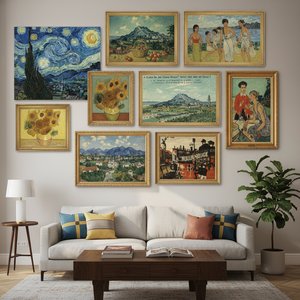
Post-Impressionizmo Deimantai: 10 Šedevrų Jūsų Namams
Atraskite 10 Post-Impresionizmo šedevrų! Van Gogas, Cézanne ir kiti genijai – jų kūriniai, istorijos bei spalvos. Įkvėpkite savo interjerui su AllPaintingsStore.com aukščiausios kokybės reprodukcijomis. Išnagrinėkite visą kolekciją internete!

Henri Moret: Capturing the Essence of Brittany's Light – A Study in Post-Impressionist Landscape Painting
Explore the captivating landscapes of Henri Moret, a master of Post-Impressionism. Discover his unique style, key works, and legacy in our expert guide. Learn about collecting Moret's art & its investment potential.

Richard Wilson: Deconstructing Landscape & Memory in Contemporary Installation Art
Explore Richard Wilson's groundbreaking landscape paintings & his enduring influence on contemporary installation art. Discover investment opportunities, provenance insights & the materiality of memory in this expert analysis.

Richard Parkes Bonington: A Brief but Brilliant Career – Romantic Landscapes & the Dawn of Plein Air Painting
Explore the short but impactful career of Richard Parkes Bonington, a pivotal figure bridging British Romanticism & French plein air painting. Discover his luminous landscapes and lasting influence on Delacroix & beyond.



