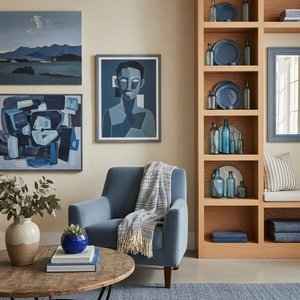
Acrylic On Canvas.

§ 1Katalogo duomenys

Šis kūrinys yra saugomas autorinės teisės
Šiame puslapyje rodomas meno kūrinys yra saugomas autorių teisių įstatymais, todėl neturime teisės legaliai kurti ar parduoti jo identiškos reprodukcijos. Ši apsauga užtikrinama remiantis tokiais tarptautiniais susitarimais kaip Bernės konvencija ir pagal nacionalines įstatymų nuostatas, įskaitant tas, kurias nurodo JAV autoriškos teisės įstatymas – 17-asis skyrius.
Kaip pagarbią ir teisėtą alternatyvą, mes siūlome pagal užsakymą rankomis dažytus paveikslus, įkvėptus originalo. Mūsų įgudę ir profesionalūs menininkai kruopščiai tiria originalo stilių, nuotaiką ir meninę esmę, kad sukurtų naują, unikalią kūrinį, kuris sukelia tą paties jausmą – išlikdamas tuo tarciau originaliu, savarankišku kūrybiniu darbu.
Šis metodas visiškai atitinka autorių teises, nes jame nėra saugomo kūrinio kopijavimo ar dubliavimo. Tai yra kūrybinė reinterpretacija – naujas paveikslas, kurį įkvėpė originalas, tačiau kuris nėra jo identiškas.
 Skaityti daugiau
§ 2Abstraktus
Kolekcinio objekto aprašas
Arctic Landscape by Roy Lichtenstein embodies Pop Art's fascination with everyday subjects and bold color palettes. This abstract depiction of mountains utilizes vibrant blues, yellows, and white clouds to create a dynamic composition reminiscent of Lichtenstein’s signature style.
Autoriaus biografija
Roy Lichtenstein (1923–1997): Šiuolaikinės meno reikšmė išaugino Pop Art stiliumi garsėjantis amerikietis dailininkas, žinomas dėl Ben-Day dėžių naudojimo, komiksų įkvipavimo ir stiprių linijų estetikos. Eksploruokite „Whaam!“ ir daugiau.
§ 3Komentaras
A Bold Vision of the Frozen North
Roy Lichtenstein’s “Arctic Landscape,” painted in 1964, stands as a cornerstone of Pop Art—a movement that deliberately rejected the emotional seriousness of Abstract Expressionism and instead embraced imagery derived from popular culture. More than just a depiction of a desolate Arctic environment, it's a meticulously crafted illusion designed to provoke contemplation about perception and representation.
- Subject Matter: The painting captures a stylized mountain range bathed in an ethereal blue sky punctuated by fluffy white clouds.
- Style: Lichtenstein’s signature style—characterized by bold outlines, halftone printing techniques, and vibrant color palettes—transforms the familiar landscape into something strikingly unfamiliar.
The technique employed is remarkably precise for Pop Art. Lichtenstein utilized halftone dots to simulate shading and texture, a process borrowed from commercial printing where images are reproduced using multiple shades of gray. This method lends an almost photographic quality to the artwork while simultaneously maintaining its artistic integrity.
Historical Context: Challenging Artistic Conventions
Painted during the height of the Cold War era, “Arctic Landscape” reflects anxieties about geopolitical tensions and the perceived threat posed by Soviet expansionism. However, Lichtenstein wasn’t simply responding to political concerns; he was actively dismantling established artistic hierarchies. By appropriating imagery from advertising and comic strips—sources considered lowbrow by critics of the time—he asserted that art could derive inspiration from anywhere.
This deliberate provocation aimed to disrupt the prevailing aesthetic sensibilities of the 1960s, where artists were striving for profound emotional expression. Lichtenstein’s approach was deliberately antithetical to this trend, prioritizing visual impact and intellectual engagement over sentimental sentimentality.
Symbolism Beyond the Surface
While seemingly straightforward, “Arctic Landscape” is laden with symbolic significance. The blue sky represents serenity and vastness—a deliberate contrast to the harsh realities of the Arctic wilderness. Yet, it’s also a color associated with authority and stability, subtly reinforcing Lichtenstein's critique of traditional artistic values.
The stylized mountains themselves serve as visual anchors, grounding the composition while simultaneously emphasizing the artist’s manipulation of perspective. The small figures positioned at the base of the mountains are deliberately ambiguous—they could represent explorers or simply points of reference—further enhancing the artwork's enigmatic quality.
Emotional Resonance: A Quiet Discomfort
Despite its vibrant colors, “Arctic Landscape” evokes a feeling of quiet discomfort. Lichtenstein’s masterful use of halftone printing creates an illusion of depth and texture that draws the viewer into the scene—but simultaneously reinforces the idea that what we see is merely a constructed representation.
Ultimately, Lichtenstein's Arctic Landscape compels us to question our assumptions about art and perception. It remains a testament to his innovative spirit and a powerful emblem of Pop Art’s enduring legacy – a celebration of visual pleasure tempered by intellectual curiosity.
Klausimai ir atsakymai
Ar yra galima peržiūrėti „Arctic landscape“ – Royas Lichtenšteinas asmenines nuotraukų rodyklę?
Galima peržiūrėti nuotraukų rodyklę: Slaydšou puslapį kūriniam „Arctic landscape“ – Royas Lichtenšteinas.
Kaip „Arctic landscape“ – Royas Lichtenšteinas spalvos susiję su jo emocine išraiška?
Darbe „Arctic landscape“ Dark spalvos sukuria Calm nuotaiką.
Kur galiu rasti panašių kūrinių kaip „Arctic landscape“ – Royas Lichtenšteinas?
Darbai, panašūs į „Arctic landscape“, pateikiami kūrinio Panašūs kūriniai puslapyje.


 Perjungti į spausdinamus版作品


 Dėl meno kūrinių ar reprodukcijų, kurių bet kuri pusė yra didesnė nei 105 cm (apie 41 inch), rėmas bus siunčiamas kaip išskaidytas surinkimo rinkinys. Šis metodas užtikrina saugų pristatymą ir apsaugo nuo transportavimo metu galimos žalos.