

Acrylic.

§ 1Katalogo duomenys

§ 2Abstraktus
Kolekcinio objekto aprašas
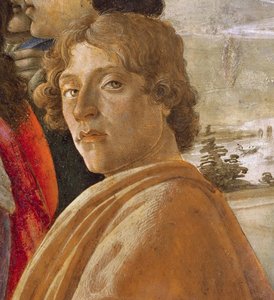
Botticelli’s ethereal ‘Wedding Feast,’ painted during Florence's Renaissance, captivates with its serene depiction of a lavish banquet and angelic messengers—a celebration of divine grace and humanist ideals. Explore Sandro Botticelli’s masterpiece and bring timeless beauty into your home.
 Skaityti daugiau
Autoriaus biografija
Atraskite Sandro Botičėlį (1445–1510), ankstyvojo Renesanso meistrą, žinoma dėl „Veneros gimimo“ ir „Pavasario“. Tyrinėkite jo elegantišką stilių, mitologines temas ir palikimą meno istorijoje!
§ 3Komentaras
The Wedding Feast: Botticelli’s Celebration of Fertility and Divine Grace
Botticelli's "The Wedding Feast" is more than just a depiction of a wedding celebration; it’s a profound meditation on themes of fertility, divine grace, and the triumph of hope over despair. Painted between 1482 and 1485 for Lorenzo di Piero Medici and his consort Marietta Corsini—a commission reflecting the Medicis' desire to solidify their lineage—the fresco embodies the humanist ideals prevalent in Florence during its golden age. Its location within Palazzo Medici Riccardi, a symbol of Florentine power and prestige, underscores its significance as an emblem of aristocratic ambition and artistic patronage.- Subject Matter: The scene portrays a lavish banquet hosted by Lorenzo and Marietta, attended by prominent Florentine families and dignitaries. Guests are seated at long tables laden with food—a deliberate reference to the biblical Wedding Feast at Cana—suggesting abundance and prosperity.
- Style & Technique: Botticelli’s signature style is characterized by delicate lines, graceful figures, and a serene atmosphere achieved through meticulous observation of anatomy and drapery folds. The fresco utilizes tempera paint on plaster, a technique favored during the Renaissance for its luminosity and ability to capture subtle tonal variations—essential for conveying the ethereal quality of the depicted space.
- Historical Context: Commissioned amidst the turbulent political landscape of Florence—marked by papal ambition and Medici rivalry—the painting reflects the humanist preoccupation with classical ideals and celebrates the virtues associated with marriage and family life. Botticelli’s work aligns perfectly with the broader artistic movement that sought to revive Greco-Roman aesthetics and philosophical thought.
- Symbolism: The fresco is replete with symbolic imagery. The central figures—Lorenzo and Marietta—are flanked by angelic messengers, representing divine intervention and blessing upon their union. Notably, Botticelli incorporates references to biblical narratives, including the Wedding Feast at Cana itself, reinforcing the overarching theme of redemption and spiritual fulfillment.
- Emotional Impact: “The Wedding Feast” exudes a palpable sense of joy and optimism—a deliberate counterpoint to the anxieties surrounding political instability. Botticelli’s masterful rendering captures not only the visual splendor of the banquet but also its emotional resonance, conveying a feeling of serene contentment and unwavering faith.
Botticelli's Workshop Collaboration: Expanding Artistic Vision
It is important to acknowledge that Botticelli rarely worked alone; he maintained a sizable workshop staffed by assistants who executed preparatory sketches and completed portions of larger projects. The Wedding Feast exemplifies this collaborative approach, demonstrating how artistic ideas could be disseminated and refined through multiple hands. Evidence suggests that Botticelli’s workshop produced numerous drawings and studies alongside the fresco itself—a testament to his commitment to exploring innovative techniques and expanding the scope of his creative endeavors.Rediscovery & Legacy: From Obscurity to Artistic Icon
For decades after Botticelli's death in 1510, “The Wedding Feast” languished in obscurity—largely ignored by art historians and overshadowed by Leonardo da Vinci’s more celebrated works. However, the resurgence of interest in Botticelli’s oeuvre during the late Victorian era—fueled by the Pre-Raphaelites—transformed his reputation irrevocably. Artists like Dante Gabriel Rossetti championed Botticelli's aesthetic qualities, recognizing his unparalleled ability to convey grace and beauty. Today, “The Wedding Feast” stands as a cornerstone of Renaissance art history—a masterpiece admired for its exquisite craftsmanship, profound symbolism, and enduring appeal. Its reproductions continue to inspire collectors and interior designers alike, ensuring that Botticelli’s vision of divine celebration persists across generations.Klausimai ir atsakymai
Kokio dydžio „The Wedding Feast“ – Sandras Botičelis spausdinimas tinka rekomenduojamai patalpai?
Living Room erdvėje „The Wedding Feast“ siūloma spausdinti Large dydžiu.
Kaip meno kryptis ir epocha susilieja kūryboje „The Wedding Feast“ – Sandras Botičelis?
Kūryboje „The Wedding Feast“ – Sandras Botičelis Early Renaissance kryptis susilieja su Renesansas laikotarpiu.
Ar yra galima peržiūrėti „The Wedding Feast“ – Sandras Botičelis asmenines nuotraukų rodyklę?
Kūrinį „The Wedding Feast“ – Sandras Botičelis galima peržiūrėti kaip slaidų rulio formatą puslapyje Slaydšou.


 Perjungti į spausdinamus版作品


 Dėl meno kūrinių ar reprodukcijų, kurių bet kuri pusė yra didesnė nei 105 cm (apie 41 inch), rėmas bus siunčiamas kaip išskaidytas surinkimo rinkinys. Šis metodas užtikrina saugų pristatymą ir apsaugo nuo transportavimo metu galimos žalos.


