Pinigų grąžinimo garantija · 100 dienų Nemokamas pristatymas į visas pasaulio valstybes
449.564kūriniai 30.613menininkai 4.660muziejai 32kalbos
Katalogo įrašas

Untitled (D2X2RT)

1620. Acrylic On Canvas, 120.0 x 88.0 cm. Metropolitano muziejus.

Br. 1. Šarūnės Meistras, Untitled (D2X2RT), 1620. Rodoma kaip jūsų nurodyta reprodukcija: , .

§ 1Katalogo duomenys

Matmenys
120.0 x 88.0 cm

§ 2Abstraktus

Kolekcinio objekto aprašas

Autoriaus biografija

Šarūnės meistro darbą „Anthony van Dyck“ žinoma dėl elegantiškų portretų Europiečių aristokratijai ir Čarlo I valdymo. Šviežios spalvos, įmantrios detalės ir aukštas meistriškumas. Užsakykite savo istoriją šiandien!

§ 3Komentaras

Sir Anthony van Dyck: A Portrait of Renaissance Elegance

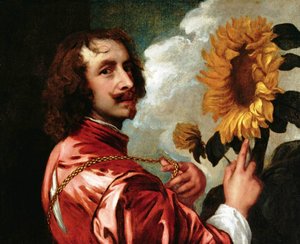
Anthony van Dyck’s “Untitled (D2X2RT)” stands as a testament to the artistic fervor of the Baroque period, specifically capturing the spirit of 1620-21 – a time when Antwerp flourished as a cosmopolitan hub and Van Dyck himself was establishing his reputation as one of Europe's foremost portraitists. This painting isn’t merely a depiction of an individual; it’s an embodiment of aristocratic refinement and a masterful demonstration of artistic innovation.

  • Subject Matter: The artwork portrays Sir Anthony van Dyck himself, presented with dignified composure against a backdrop that subtly incorporates architectural elements – hinting at the grandeur of European courts.
  • Style & Technique: Van Dyck’s signature style is characterized by an unparalleled sensitivity to light and shadow, achieved through meticulous layering of glazes—a technique perfected during his time in Italy. This masterful handling creates a luminous effect that imbues the portrait with depth and realism.
  • Historical Context: Painted during Van Dyck's tenure at Charles I’s court, “Untitled (D2X2RT)” reflects the prevailing aesthetic ideals of the era – prioritizing elegance, restraint, and psychological insight. It exemplifies the Baroque preoccupation with capturing not just outward appearance but also inner character.

Exploring Symbolism & Composition

The artist’s posture—hands resting on his hips—communicates confidence and authority, aligning perfectly with the social status of Van Dyck during this period. The inclusion of a ring and necklace serves as subtle emblems of wealth and nobility, reinforcing the portrait's message of aristocratic distinction. Furthermore, the architectural setting contributes to the overall composition by grounding the figure within a broader visual narrative.

  • Color Palette: Van Dyck employed a restrained color palette dominated by muted tones—primarily browns and blacks—creating an atmosphere of solemn dignity. However, strategic highlights illuminate key features, drawing attention to the artist’s face and conveying a sense of inner contemplation.
  • Lighting Effects: The diffused light emanating from the window casts soft shadows across Van Dyck's form, enhancing the portrait’s realism and subtly emphasizing his gaze downward—a gesture that invites viewers to engage in an unspoken dialogue with the subject.

A Legacy of Artistic Influence

"Untitled (D2X2RT)" is more than just a beautiful painting; it's a pivotal work in art history. Van Dyck’s innovative approach to portraiture profoundly impacted subsequent generations of artists, establishing him as a pioneer of psychological realism and influencing the stylistic conventions of Baroque painting across Europe. Reproductions of this masterpiece offer collectors and interior designers alike an opportunity to experience firsthand the enduring allure of Renaissance elegance and artistic brilliance.

  • Emotional Impact: The portrait exudes tranquility and introspection, capturing Van Dyck’s contemplative gaze as he observes something beyond the frame—a gesture that speaks to the artist's profound engagement with his subject matter.
  • Decorative Potential: Its understated sophistication lends itself beautifully to interior spaces seeking a touch of timeless elegance – complementing classic furnishings and creating an atmosphere of refined serenity.

A stunning reproduction of “Untitled (D2X2RT)” allows you to appreciate the artistry of Sir Anthony van Dyck and immerse yourself in the captivating spirit of Baroque Europe.

Klausimai ir atsakymai

Kokio išdėstymo formatas tinka kūriniui „Untitled (D2X2RT)“ – Šarūnės Meistras?

Savo Portrait forma „Untitled (D2X2RT)“ reprodukcija siūloma Living Room kambariui.

Kokia yra originalaus „Untitled (D2X2RT)“ – Šarūnės Meistras technika ir dydis?

„Untitled (D2X2RT)“ sukurta naudojant Acrylic On Canvas, o jos originalus matmuvas yra 120 x 88 cm.

Kokia technika buvo panaudota kūriniui „Untitled (D2X2RT)“ ir kada jis buvo sukurtas?

„Untitled (D2X2RT)“ sukurtas 1620 m., naudojant Acrylic On Canvas.
§ 4Autorius

Šarūnės Meistras

Šarūnės Meistras

1599 - 1641, Belgija

Trumpa informacija apie Šarūnės Meistras

  • Artistic Movement Or Style: Baroque
  • Artists Or Movements Influenced By This Artist: ['English portrait painting']
  • Artists Who Influenced This Artist: ['Peter Paul Rubens']
  • Date Of Birth: March 22, 1599
  • Date Of Death: December 9, 1641
  • Full Name: Sir Anthony van Dyck
  • Nationality: Flemish
  • Notable Artworks:
    • Portrait of a woman and child
    • Equestrian portrait of Charles I
    • Lord John Stuart & brother
  • Place Of Birth: Antwerp, Belgium

Autoriaus biografija

A Flemish Master at the Courts of Europe

Sir Anthony van Dyck, born in Antwerp on March 22, 1599, emerged as one of the most celebrated and influential portraitists of the Baroque era. His life, though tragically cut short at just forty-two years old, was a whirlwind of artistic exploration and prestigious commissions that took him from his native Flanders to Italy and ultimately to the heart of the English court. From an early age, van Dyck displayed remarkable talent, entering Hendrick van Balen’s workshop as a young apprentice and quickly absorbing the prevailing styles of the time. However, it was his association with Peter Paul Rubens – not merely as a student but as a collaborator – that truly shaped his artistic foundation. He learned from Rubens' dynamic compositions, rich color palettes, and masterful handling of light and shadow, yet van Dyck soon began to forge his own distinct path, one characterized by an elegance and refinement that would become his signature.

Early Influences and Artistic Training

Rubens’ influence was profound; he instilled in van Dyck a belief in dramatic expression and the importance of capturing emotion alongside physical likeness. This approach contrasted sharply with earlier portrait conventions, prioritizing psychological depth over mere representation. Van Dyck's apprenticeship under Rubens honed his skills in oil painting and etching—techniques he would master with unparalleled precision. He diligently studied Rubens’ monumental canvases, absorbing his compositional strategies and experimenting with innovative color harmonies. These formative years established the groundwork for van Dyck’s distinctive artistic style, characterized by a luminous palette and masterful rendering of texture.

Italian Sojourn and Style Development

Around 1621, Van Dyck embarked on a transformative journey to Italy—primarily Genoa—where he gained patronage from wealthy aristocratic families. During this period, he cultivated the refined style for which he would become renowned: graceful poses, luxurious fabrics, and an almost palpable sense of nobility. Unlike Rubens’ energetic brushstrokes, van Dyck's Italian portraits exuded composure, capturing not just physical likeness but also inner character and social standing. He skillfully employed chiaroscuro—the dramatic interplay of light and shadow—to sculpt figures with remarkable realism and to heighten their emotional impact. This technique became a hallmark of his oeuvre, distinguishing him from many of his contemporaries. His artistic explorations in Italy solidified his reputation as a visionary innovator, pushing the boundaries of portraiture while upholding the highest standards of aesthetic excellence.

The King's Painter: Van Dyck in England

In 1632, Van Dyck received an invitation that would forever alter his career trajectory—a summons from Charles I of England to become the court painter. This appointment marked a turning point, not only for van Dyck but also for English portraiture. He arrived in London with considerable renown and swiftly became indispensable to the king, tasked with creating images that projected an aura of power, majesty, and divine right. Van Dyck’s portraits of Charles I are particularly noteworthy; he moved away from stiff conventions, portraying the king as a dynamic leader—a man brimming with charisma and intellect. He employed innovative techniques—dramatic lighting, sweeping gestures, and carefully chosen backgrounds—to create images that were both visually stunning and politically charged. His influence extended beyond the royal family, shaping the visual culture of the English aristocracy for generations to come.

Legacy and Enduring Influence

Van Dyck’s untimely death in December 9, 1641, robbed the art world of a prodigious talent—yet his legacy endures to this day. His impact on English portraiture is immeasurable; he established a standard of elegance and sophistication that subsequent artists would strive to emulate. He was a master of both oil painting and etching—constantly experimenting with new techniques. His portraits are characterized by their graceful poses, luxurious fabrics, and subtle psychological insights. He skillfully employed chiaroscuro—the dramatic interplay of light and shadow—to sculpt figures with remarkable realism and to heighten their emotional impact. Beyond his technical prowess, van Dyck possessed an exceptional ability to capture the essence of his sitters—their personality, their social standing, and their aspirations. His works continue to captivate audiences with their beauty, elegance, and enduring psychological depth. The Balbi Children, Charles I in Three Positions, and countless other masterpieces stand as testaments to his genius, ensuring that Sir Anthony van Dyck remains one of the most celebrated artists of the Baroque period. His influence can still be seen today in fashion, photography, and contemporary portraiture—a testament to the timeless appeal of his art.

§ 5Panašūs darbai

§ 6Dėjiniai klausimai

Trumpa informacija

  • Subject or theme: Self-portrait
  • Notable elements or techniques: Elegant portraiture; Dynamic composition
  • Artistic style: Refined elegance; Subtle shading
  • Title: Untitled (D2X2RT)
  • Artist: Sir Anthony van Dyck
  • Movement: Baroque

Karo viktorina

Kiekviename klausime yra tik vienas teisingas atsakymas.

Klausimas 1:
What is the primary subject matter of this painting?
Klausimas 2:
In what year was this artwork created?
Klausimas 3:
The painting depicts Anthony van Dyck in what attire?
Klausimas 4:
What is the artist's pose conveying?
Klausimas 5:
The backdrop of the painting includes what elements?

§ 7Citavimo tekstas

AllPaintingsStore.com, “Šarūnės Meistras, Untitled (D2X2RT) (1620)”, https://allpaintingsstore.com/lt/art/sir-anthony-van-dyck-untitled-d2x2rt-D2X2RT-en/ (žiūrėta 8 spalis 2026).

§ 8Kopija

Rankų darbo aliejinės reprodukcijos

Rankiniu būdu tapytas aliejus ant droblio jūsų pageidaujamame dydį ir rėmuose – tai mūsų menininkų pagal užsakymą sukurtas darbas. ( Perjungti į spausdinamus版作品 Perejti prie skaitmeninių vaizdų)

Tai nurodyta užsakymo lapelyje šurinkėje; šio lapelio dabartinė būklė tokia:

Untitled (D2X2RT)

Reprodukcijos technika

Reprodukcijos matmenys

-

Aukščiausios klasės meistras

Daugiau detalių, meistriškumo ir papildomo gamybos laiko

-

Reprodukcijos rėmėjimo parinktys

-

-

Dėl meno kūrinių ar reprodukcijų, kurių bet kuri pusė yra didesnė nei 105 cm (apie 41 inch), rėmas bus siunčiamas kaip išskaidytas surinkimo rinkinys. Šis metodas užtikrina saugų pristatymą ir apsaugo nuo transportavimo metu galimos žalos.

Reikalingas profesionalus surinkimas – tai nėra „pasidaryk pats“ (DIY) produktas.
Rinkinys turi būti surinktas, o drobė išplėsta naudojant patyrį profesionalų rėmininką, medžio klijus (nėra įtraukti į rinkinį), drobės plėšimo kleslę bei presas, kad rėmo rėžiai išliktų tiesūs, kol klijai išdžiūvus. Netinkamas surinkimas arba netolydus drobės įtampa gali negrįžtamai sugadinti meno kūrinį, todėl šie atvejai nėra užtraukiami mūsų garantijos.

  • Į komplektą įeina visi vientisos medienos elementai, tiksliai išpjauti pagal dydį.

  • Surmontinama naudojant pridėtus varžtus bei papildomai reikalingą medžio kliją kampų jungtims, kuris nėra pridėtas ir turi būti parinktas rėmininkui.

  • Reikalingi profesionalūs įrankiai, kurie nėra įtraukti į rinkinį: drobės kėlimo plytelės (stiprintuvai) ir klemiai, laikantys rėmo strygius tiesiu kampu, kol džiūsta lipas.

Svarbu:
Kampų jungtims reikalingi medžio klijai, barams reikia laikyti naudojant presas, kol klijai visiškai išdžiūvės, o surinktam rėmui įtempiamai privilgti būtinos drobės įtempimo plytযুক্ত. Šios priemonės į rinkinį neįtrauktos. Prieš užsakydami šio dydžio rinkinį, rekomenduojame pasimalkoti patyrusiu rėmų meistru.

Pavadinimo lentelė

-

-

Apsauginis lakas

Blizgus lakas (ryškina spalvas, saugo nuo šviesos ir drėgmės)

-

Personalizuoti kūrinį

Ką galima pakeisti (pavyzdžiui): pakeisti veidą klientui skirta nuotrauka; pridėti augintinį (pvz., katę pakeisti šuniu); įtraukti paslėptą žinutę fone; pakeisti fono kraštovaizdį ar elementus.

-

Skubiai

Pristatymas visame pasaulyje () per 3–4 savaites, o ne įprastai – per 5 savaites. (5 lapkritis). Kokybė lieka nepakeičiama.

-

Skubus pristatymas

Pristatymas visame pasaulyje () per 5 weeks. (12 lapkritis).

Įskaičiuota

Bendroji kaina

€ 229

Pridedama prie kiekvieno užsakymo

  • Nemokamas greitasis pristatymas visame pasaulyje
  • Aukštos kokybės lininis drobė
  • Pilnas siuntimo draudimas
  • Muitinės mokesčių grąžinimo garantija
  • Tikro spalvų atitikimo garantija
  • 100 dienų grąžinimo politika (tik esant įtaigoms)
  • 100% pinigų grąžinimo garantija
  • Nuolaida dideliems užsakymams
Užsakymų lapas