


 Peržiūrėti realaus dydžio版
 Siųsti
 Dalintis
 Išsamiau
 Vadovas

 Atsisiųsti
 Panašūs eksponatai
 Rentgeno spindulių nuotrauka
 Diaporama
 Statistika
My Second Sermon
 Oil On Canvas
- WallArt
- Pre-Raphaelite Brotherhood
 1864
1864- 19th Century
 97.0 x 72.0 cm
 Guildhall Art Gallery
 Rodyti daugiau
Rankų darbo aliejinės reprodukcijos
Rankiniu būdu tapytas aliejus ant droblio jūsų pageidaujamame dydį ir rėmuose – mūsų menininkų darbas pagal užsakymą. ( Perjungti į spausdinimą Perejti prie skaitmeninių vaizdų)




P118B €10

P118H €10

P118W €10

P438Z €10

P508JH €12

P508YH €12

P805H €10

P805Z €10

P919BZ €10

P919G €10

P919XJ €10

P959ZH €10

P968JZ €12

W106C €8

W218G €10

W218JH €8

W218Y €10

W307PJ €10

W316G €10

W316PJ €8

W316Y €10

W398PJ €8

W4111J €10

W500HY €15

W500JH €15

W692G €12

W849H €8

W940BG €15

W953PJ €8




Pasirinkite iš mūsų nustatytų dydžių, atitinkančių originalaus meno kūrinio proporcijas.

Įveskite jums reikiamą plotį ir aukštį, kad paveikslas atitiktų jūsų rėmą ar sieną. Kadangi šis darbas yra rankinio darbo, siekiant išgauti kitokio formos dydį, paveikslas gali būti šiek tiek didesnis (nuo kraštų bus palikta daugiau erdvės) arba mažesnis – pasirinkite jums patogiausią variantą. Prieš pradedant tapyti, atsiųsime jums skaitmeninį maketą patvirtinimui. Šioje puslapio nuotraukoje matomas vaizdas nėra galutinis rezultatas – jį parodys tik sukurtas maketas.
Gavus užsakymą, AllPaintingsStore.com komanda susisieks su klientu el. paštu dėl instrukcijų ir pateiks maketo pavyzdį
Pristatymas visame pasaulyje () per 3–4 savaites, o ne įprastai – per 5 savaites. (24 spalis). Kokybė lieka nepakeičiama.

Nemokamas greitasis pristatymas visame pasaulyje

Aukštos kokybės lininis drobė

Pilnas siuntimo draudimas

Muitinės mokesčių grąžinimo garantija

Tikro spalvų atitikimo garantija

100 dienų grąžinimo politika (tik esant įtaigoms)

100% pinigų grąžinimo garantija

Nuolaida dideliems užsakymams
 Stiklo variantas prieinamas tik pasirinkus dydį iki 110 cm

My Second Sermon
Reprodukcijos technika
Reprodukcijos dydis
-


Visų pasirinktų variantų kaina
€ 226
A Moment of Quietude: Sir John Everett Millais's "My Second Sermon"
Sir John Everett Millais’s “My Second Sermon,” painted in 1864, is more than just a portrait; it’s a carefully constructed tableau of Victorian innocence and burgeoning artistic rebellion. Measuring 97 x 72 cm, this intimate scene captures a young girl lost in contemplation, her head resting on her hand as she cradles a beloved teddy bear. The painting immediately draws the viewer into a space of profound stillness, a quiet moment suspended in time that speaks to the anxieties and aspirations of the era.
- The Pre-Raphaelite Vision: Created by Millais during his pivotal role within the Pre-Raphaelite Brotherhood, “My Second Sermon” exemplifies their revolutionary approach to art. Rejecting the idealized forms and dramatic narratives favored by established artistic conventions, the Pre-Raphaelites sought a return to the clarity, detail, and emotional honesty of early Italian masters – hence the name.
- Technical Mastery: Millais’s meticulous technique is immediately apparent. The rendering of textures—the plush fur of the teddy bear, the worn fabric of the girl's coat, the smooth wood of the bench—is astonishingly realistic. His use of light and shadow creates a palpable sense of depth, drawing the viewer into the scene with an almost photographic precision.
Subject Matter and Victorian Context
The subject itself – a young girl engaged in private reflection – was deliberately chosen to explore themes of childhood innocence and vulnerability. The mid-19th century witnessed a growing fascination with children within British art, often depicted as symbols of purity and moral rectitude. However, Millais subtly subverts this traditional portrayal. The girl’s expression is ambiguous; she isn't actively engaged in any particular activity, but rather lost in her own thoughts. This ambiguity reflects the anxieties of the Victorian era – a period marked by rapid industrialization, social upheaval, and a growing sense of uncertainty about the future.
- Domesticity and Gender Roles: The setting—a simple interior space—reinforces the importance of domestic life within Victorian society. The presence of the bowl on the bench suggests a scene of everyday activity, yet the girl’s solitary pose hints at the limitations placed upon women during this time.
- Symbolism of the Teddy Bear: The teddy bear itself is a significant symbol, representing comfort, security, and childhood nostalgia – themes frequently explored by Pre-Raphaelite artists. Its presence adds to the painting's overall sense of tenderness and vulnerability.
Emotional Impact and Artistic Legacy
"My Second Sermon" possesses a remarkable emotional resonance. The painting’s quietude invites contemplation, prompting viewers to consider themes of childhood, memory, and the passage of time. Millais’s ability to capture such a fleeting moment with such profound sensitivity is a testament to his artistic genius.
- Influence on Victorian Art: This work significantly influenced subsequent generations of British artists, solidifying Millais's position as one of the movement's leading figures.
- A Timeless Appeal: The painting’s enduring appeal lies in its ability to evoke a sense of nostalgia and quiet beauty – qualities that continue to resonate with audiences today.
AllPaintingsStore Reproduction
AllPaintingsStore offers meticulously crafted hand-painted reproductions of Sir John Everett Millais's "My Second Sermon," ensuring the preservation of this iconic artwork’s detail and emotional depth. Our skilled artisans employ traditional techniques, replicating Millais’s masterful brushwork and color palette to create a faithful representation that will enhance any interior space. Choose from a range of sizes to perfectly suit your needs and experience the timeless beauty of this Pre-Raphaelite masterpiece.
问答 (or more naturally for a website heading): Klausimai ir atsakymai
Kur šiandien galima pamatyti kūrinį „My Second Sermon“, autorius – Džonas Everetas Milė?
Originalų kūrinį „My Second Sermon“ galite pamatyti Guildhall Art Gallery, London, United Kingdom muziejuje.
Ar „My Second Sermon“ yra vienas populiariausių Džonas Everetas Milė kūrinių?
Darbui „My Second Sermon“, autorius – Džonas Everetas Milė suteiktas Recognized populiarumumo lygis. Ši klasifikacija atspindi, kaip plačiai šis kūrinys yra atpažįstamas.
Kokios nacionalinės kilmės šaknys slypi „My Second Sermon“ Pre-Raphaelite Brotherhood?
„My Second Sermon“ sujungia Pre-Raphaelite Brotherhood stilių su Jungtinė Karalystė, atspindėdama kūrėjo gimimo vietą.
Susiję kūriniai


Autoriaus biografija
Ankstyvieji Metai ir Prerafaelitų Brolijos Gimimas
Džonas Everetas Milėjus (John Everett Millais) gimė 1829 metais Sauthamptono mieste, Jungtinėje Karalystėje, ir jau vienuolikos metų amžiaus įstojo į Karališkąją Akademiją – jauniausias kada nors priimtas studentas. Šis ankstyvas talentas pranašavo karjerą, kuri ne tik apibrėžtų meno judėjimą, bet ir užfiksuotų viktorijos epochos vaizduotę savo kvapą atimančiu realizmu bei emociniu gylumu. Nuo pat jaunystės Milėjumi pasižymėjo nepaprastas stebėjimo dovanas – savybė, kuri tapo pagrindiniu jo meninio stiliaus akmeniu. Jis ne tik vaizdavo tai, ką matė, bet ir kruopščiai atkuria, įkviepiant kiekvieną potepį beveik fotografinei ištikimybei. Šis atsidavimas tiesai reprezentacijoje jį išskyrė ir galiausiai privertė mesti iššūkį nusistovėjusioms britų meno konvencijoms. 1848 metais Milėjumi, kartu su Dante Gabriel Rossetti ir William Holman Hunt, įkūrė Prerafaelitų Broliją. Tai nebuvo tik estetinio pasirinkimas; tai buvo sąmoningas maištas prieš tai, ką jie laikė akademinio meno dirbtinumu – meną, kuris per toli nukrypo nuo gamtos pasaulio ir ankstyvųjų renesanso meistrų nuoširdumo, tų, kurie kūrė *prieš* Rafaelį. Prerafaelitai siekė atgaivinti aiškumą, detales ir ryškius spalvų tonus tokių menininkų kaip Jan van Eyck ir Fra Angelico. Jų manifestas buvo tiesa gamtai, idealizuotų formų atsisakymas ir temų pasirinkimas iš literatūros, mitologijos bei kasdienio gyvenimo. Ankstyvieji Milėjumi darbai, tokie as Izabela, nedelsiant parodė šį naują požiūrį – kruopštų dėmesį detalėms kartu su naratyvine intensyvumu, kuris užbūrė ir dažnai sukeldavo publikos prieštaravimus. Jo kontroversiškiausias darbas tuo laikotarpiu, Kristus tėvo namuose (1849-50), vaizdavo Šventąją šeimą ne kaip eterinius padarus, o kaip paprastus darbininkų klasės žmones, sukeldamas pyktį kritikų tarpe, kurie laikė tokį realizmą neramų ir netgi ereziją.Stiliaus Kaita ir Viktorijos Epochos Jautrumas
Penktojo dešimtmečio viduryje Milėjumi gyvenime įvyko reikšmingi pokyčiai, tiek asmeniškai, tiek meniškai. Jo santuoka su Efie Gray, po jos anuliavimo iš santuokos su John Ruskin, giliai paveikė jo kūrybą. Jis atsisakė intensyvaus detalių ir simbolikos stiliaus ankstyvuosiuose Prerafaelitų darbuose link platesnio, atmosferiškesnio realizmo. Šis posūkis nebuvo tik stilistinis pasirinkimas; tai atspindėjo didėjantį susidomėjimą šiuolaikiniu gyvenimu ir norą užfiksuoti gamtos grožį. Paveikslai tokie kaip Rudens lapai pavyzdžioja šią naują kryptį – rami grupės jaunų moterų vaizdas, plaukiantys lapai upėje, įkvėptas melancholijos ir nostalgijos jausmo. Jis taip pat pasiekė didelio pasisekimo kaip portretistas, užfiksuodamas žymių viktorijos epochos asmenybių atvaizdus, įskaitant John Gladstone ir Benjamin Disraeli. Šis laikotarpis Milėjumi pasiekė plačią populiarumą ir finansinį saugumą, tačiau tai sukėlė kritikų prieštaravimus, kurie manė, kad jis paaukojo savo meno principus.Palikimas ir Tvarus Poveikis
Nepaisant šios kritikos, seras Džonas Everetas Milėjus išlieka vienas svarbiausių XIX amžiaus britų menininkų. Jo įtaka apima ne tik Prerafaelitų Broliją; jis padėjo peržiūrėti realizmo ir naratyvinio tapybos standartus, įkvėpdamas ištisas kartas menininkų. Jo ikoniški vaizdai – Opelija, su savo gaudingu grožiu ir simboliniu turtingumu, Huguenotas, vaizduojantis dramatišką religinės konfliktų momentą, ir daugelis kitų – tebejaudina publiką šiandien. Milėjumi gebėjimas derinti kruopštį stebėjimą su emociniu gylumu, jo meistriškumas spalvose ir kompozicijoje bei noras mesti iššūkį meno konvencijoms įtvirtino jį kaip tikrą inovatorių. 1896 metais jis buvo išrinktas Karališkosios Akademijos prezidentu – tai liudija jo tvarų palikimą, nors tragiškai mirė po kelių mėnesių. Jo darbai tebešvenčiami muziejuose ir kolekcijose visame pasaulyje, užtikrinant, kad jo meno grožis ir galia išliks ateities kartoms.Pagrindiniai Darbai ir Kolekcijos
- Kristus tėvo namuose (1849-1850): Tate Britain, Londonas – Kontroversiškas šedevras, pavyzdžiojantis ankstyvą Prerafaelitų realizmą.
- Opelija (1851-1852): Tate Britain, Londonas – Galbūt žymiausias jo darbas, garsėjantis savo gaudingu grožiu ir simboliniu gylumu.
- Huguenotas (1851-1852): Privati kolekcija – Dramatiškas religinių konfliktų ir draudžiamos meilės vaizdas.
- Mariana (1850-1851): Manchester Art Gallery – Įkvėptas Šekspyro ir Tenisono, demonstruojantis Milėjumi įgūdžius užfiksuoti nuotaiką ir atmosferą.
- Rudens lapai (1855-1856): City of Manchester Art Galleries – Rami ir įkvepiantis paveikslas, atspindintis jo besikeičiantį stilių.

Džonas Everetas Milė
1829 - 1896 , Jungtinė Karalystė
Trumpa informacija apie kūrėją
- Gimimo Data: 1829 m. birželio 8 d.
- Gimimo Vieta: Southampton, Jungtinė Karalystė
- Meninis Stilius: Pre-rafaelitai, realizmas
- Mirties Data: 1896 m. rugpjūčio 13 d.
- Pilietybė: Britų
- Pilnas Vardas: Seras Johnas Everetas Milais
- Įtakoti Judėjimai/Menininkai: Pre-rafaelitų judėjimas
- Žymiausi Darbai:
- Kristus tėvų namuose
- Opelija
- Huguenotas
- Mariana
Susiję straipsniai

Giclée Prints: Archival Quality & Aesthetic Nuances for the Discerning Collector
Explore the world of giclée prints with AllPaintingsStore. Learn about archival quality, aesthetic nuances & investment potential. Expert guidance for discerning art collectors seeking museum-quality reproductions and lasting value.
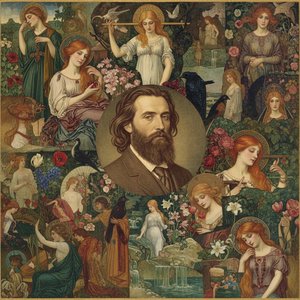
Dante Gabriel Rossetti: 25 Šedevrai, Įkvėpę Kartas | AllPaintingsStore.lt
Atraskite 25 įspūdingiausius Dante Gabriel Rossetti šedevrus! Išsami analizė, meno istorija ir įkvėpimas interjerui. Reprodukcijos aliejumi – prerafaelitų klasika jūsų namams. Explore the full collection online!

Sir John Everett Millais: Pre-Raphaelite Rebellion & Victorian Narrative Detail
Explore the revolutionary art of Sir John Everett Millais & the Pre-Raphaelite Brotherhood. Discover their radical realism, symbolic narratives, and lasting impact on Victorian aesthetics. A deep dive into 19th-century masterpieces.

The Pre-Raphaelite Brotherhood: Rediscovering Beauty, Romance, and Medieval Magic in Victorian Art
Embark on a journey through the Pre-Raphaelite Brotherhood. Discover the romantic symbolism, medieval magic, and radical beauty of Rossetti and Burne-Jones in this expert exploration of Victorian art history.

The Pre-Raphaelite Brotherhood: Rebellion, Romance & Medieval Revival
Explore the captivating world of the Pre-Raphaelite Brotherhood! Discover their rebellious spirit, iconic masterpieces & lasting influence on art history. Learn about Rossetti, Millais & more.


