


 Peržiūrėti realybėje
 Pasidalinti
 Dalintis
 Išsamiau

 Atsisiųsti
 Panašūs eksponatai
 Rentgeno nuotrauka
 Automatinė diorama
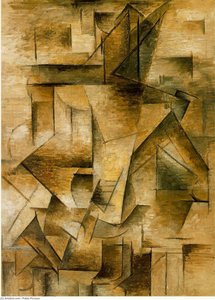
Sunrise
 25.0 x 31.0 cm
 Skaityti daugiau
Giclée / Meno spausdinimas
Muziejų lygio „giclée“ arba drobos spausdinimas: greita gamyba ir lankstios apdailos parinktys. ( Pirkti rankomis tapytą paveikslą Pirkti vaizdą)




































Pasirinkite iš mūsų nustatytų dydžių, atitinkančių originalaus meno kūrinio proporcijas.

Galite nurodyti savo matmenis, kad vaizdas atitiktų konkretų rėmą ar erdvę. Jei pasirinktas dydis nesutaps su originalaus paveikslėlio proporcijomis, mes arba apkirpsime kūrinį, arba išplėsime vaizdą naudojant veideliu atspindėtą arba vientisą šoną. Skaitmeninis maketas bus išsiųstas jums patvirtinti prieš pradedant gamybą.
Atkreipkite dėmesį, kad ekrane matomas vaizdinys neatspindi tikrojo apkirpimo ar išplėtimo. Tik maketas tiksliai parodytų galutinę kompoziciją.
Nors galima rinktis ir individualius dydžius, rekomenduojame pasirinkti vieną iš išanksti nustatytų matmenų, kad būtų išlaikytos originalios proporcijos.
Pristatymas visame pasaulyje () per 2 weeks, o ne įprastas 4/5 savaičių laikotarpis. (19 rugpjūtis)

Nemokamas greitasis pristatymas visame pasaulyje

Aukštos kokybės lininis drobė

Pilnas siuntimo draudimas

Muitinės mokesčių grąžinimo garantija

Tikro spalvų atitikimo garantija

60 dienų grąžinimo politika (tik esant gamyklinėms defektams)

100% pinigų grąžinimo garantija

Nuolaida už kelias reprodukcijas
 Stiklo variantas prieinamas tik pasirinkus dydį iki 110 cm

Sunrise
Giclée / Meno spausdinimas
Reprodukcijos matmenys
-


Galutinė kaina
$ 64
panašūs kūriniai


Autoriaus biografija
A Life Immersed in British Scenes: The World of Thomas Greig
Thomas Greig, a name resonating within the annals of 19th-century British art, stands as a compelling chronicler of his era. While biographical details remain somewhat elusive – a common trait for artists whose fame rests more on their canvases than personal notoriety – Greig’s work speaks volumes about his keen observation and dedication to portraying the evolving landscape of Victorian Britain. He wasn't merely painting scenes; he was documenting a nation in flux, capturing the spirit of industrial progress alongside the enduring beauty of rural life. His paintings offer a fascinating glimpse into a period defined by both rapid change and steadfast tradition.The Rise of an Industrial Painter
Greig’s artistic focus centered on the burgeoning industries that were reshaping England. Steelworks, factories, and bustling urban scenes became his primary subjects. This wasn't simply a matter of documenting progress; Greig imbued these industrial settings with a sense of drama and human presence often absent in purely topographical depictions. His Steelworks, for example, isn’t just an image of machinery and smoke; it’s a vibrant tableau of labor, energy, and the sheer scale of Victorian enterprise. The fiery glow illuminating the faces of workers, the intricate details of the iron structures, all contribute to a powerful narrative about the human cost and ambition inherent in industrialization. He wasn't necessarily making a political statement, but his work implicitly acknowledges the social impact of these changes.Portraits and Historical Echoes
Beyond industry, Greig demonstrated a talent for portraiture and historical scenes. These works reveal a mastery of technique and an ability to capture not just likeness, but also character and emotion. While less frequently discussed than his industrial paintings, they showcase a versatility that underscores his skill as an artist. His portraits often depict individuals connected to the world he so meticulously documented – factory owners, merchants, or members of the growing middle class. These are not grand, idealized portrayals; rather, they feel grounded and realistic, offering intimate glimpses into the lives of those shaping Victorian society. The historical scenes, though fewer in number, suggest a fascination with England’s past and a desire to connect the present with its rich heritage.Influences and Artistic Development
Pinpointing specific artistic influences on Greig is challenging due to limited documentation. However, one can discern echoes of the Realist movement within his work – a commitment to depicting subjects as they are, without romanticization or idealization. Artists like Gustave Courbet, who championed everyday life and social realism, likely resonated with Greig’s approach. Furthermore, the topographical tradition in British art, exemplified by painters such as J.M.W. Turner and John Constable, undoubtedly played a role in shaping his landscape sensibilities. He seems to have synthesized these influences, creating a unique style that blended realistic detail with a dramatic sense of atmosphere.Legacy and Historical Significance
Thomas Greig’s legacy lies not in groundbreaking innovation but in the consistent quality and insightful portrayal of Victorian life. His paintings serve as invaluable historical documents, offering a visual record of an era undergoing profound transformation. He captured the energy, ambition, and social complexities of 19th-century Britain with remarkable skill and sensitivity. While perhaps not a household name today, his work continues to captivate viewers with its authenticity and evocative power. His paintings are found in museums and private collections, ensuring that his vision of Victorian England endures for generations to come.
Trumpa informacija
- Artistic Movement Or Style: 19th-century art
- Current Biography: Evocative paintings of British life & landscapes.
- Full Name: Thomas Greig
- Nationality: British
- Notable Artworks: ['Steelworks']



