


 Peržiūrėti realaus dydžio版
 Pasidalinti
 Dalintis
 Išsamiau
 Vadovas

 Atsisiųsti
 Panašūs eksponatai
 Rentgeno spindulių nuotrauka
 Automatinė diorama
 问答
问答 Statistika
Trees

- 38.0 x 27.0 cm


 Skaityti daugiau
Giclée / Meno spausdinimas
Muziejų lygio „giclée“ arba drobos spausdinimas: greita gamyba ir lankstios apdailos parinktys. ( Pirkti rankų darbo tapybą Perejti prie skaitmeninių vaizdų)




P118B €10

P118H €10

P118W €10

P438Z €10

P508JH €12

P508YH €12

P805H €10

P805Z €10

P919BZ €10

P919G €10

P919XJ €10

P959ZH €10

P968JZ €12

W106C €8

W218G €10

W218JH €8

W218Y €10

W307PJ €10

W316G €10

W316PJ €8

W316Y €10

W398PJ €8

W4111J €10

W500HY €15

W500JH €15

W692G €12

W849H €8

W940BG €15

W953PJ €8




Pasirinkite iš mūsų nustatytų dydžių, atitinkančių originalaus meno kūrinio proporcijas.

Įveskite jums reikiamą plotį ir aukštį, kad atvaizdas derėtų prie jūsų rėmo ar sienos. Spausdiną galima tik sumažinti, bet nepadidinti virš originalaus paveikslėlio dydžio, todėl keičiant proporcijas, dalis vaizdo prarandama. Prieš spausdinimą atsiųsime jums skaitmeninį maketą patvirtinimui. Šioje puslapio nuotraukoje matomas pjūvis nėra tikslus – jį rodo tik maketas.
Pristatymas visame pasaulyje () per 2 weeks, o ne įprastas 4/5 savaičių laikotarpis. (5 lapkritis)

Nemokamas greitasis pristatymas visame pasaulyje

Aukštos kokybės lininis drobė

Pilnas siuntimo draudimas

Muitinės mokesčių grąžinimo garantija

Tikro spalvų atitikimo garantija

100 dienų grąžinimo politika (tik esant įtaigoms)

100% pinigų grąžinimo garantija

Nuolaida dideliems užsakymams
 Stiklo variantas prieinamas tik pasirinkus dydį iki 110 cm

Trees
Giclée / Meno spausdinimas
Reprodukcijos matmenys
-


Bendroji kaina
€ 58
A Verdant Embrace: Exploring Thomas Stuart Smith's "Trees"
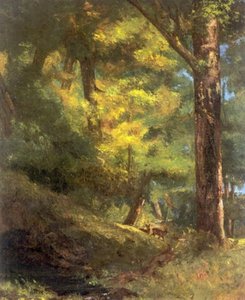
To gaze upon Thomas Stuart Smith’s "Trees" is to step through an unseen portal into a moment of profound natural tranquility. This painting is far more than a mere depiction of foliage; it is a carefully composed meditation on the enduring relationship between humanity and the wild, untamed beauty of nature. The scene unfolds within a lush woodland setting, where every leaf seems imbued with the deep, saturated green of life itself. Smith masterfully captures the layered depth of a forest—the immediate intimacy of foreground branches contrasts beautifully with the hazy mystery of trees receding into the background.
The Harmony of Figure and Flora
What elevates this piece beyond simple landscape painting is the subtle inclusion of human presence. Scattered within the verdant tapestry are two figures, positioned thoughtfully to guide the viewer's eye through the composition. They do not dominate the scene; rather, they inhabit it. Their quiet contemplation amidst the towering woods suggests a moment paused—a breath taken by wanderers who have found solace in nature’s embrace. This juxtaposition speaks volumes about the Romantic ideal: man finding his place, and perhaps even his soul, within the grandeur of the natural world. It invites us to consider our own moments of respite.
Technique and the Romantic Gaze
Smith's technique here reveals a painter deeply attuned to both scientific observation and emotional resonance. While the structure is rooted in detailed landscape rendering—the varied textures of bark, the overlapping planes of leaves—there is an undeniable sweep of Romantic idealism guiding the brushwork. The atmosphere itself feels palpable; one can almost hear the rustle of unseen creatures or feel the cool dampness rising from the forest floor. For those who appreciate art that balances meticulous detail with emotional scope, this work offers a perfect study in atmospheric perspective and naturalistic color harmony.
Symbolism of the Woods
Throughout art history, the woods have served as potent symbols—a place of mystery, rebirth, and introspection. In "Trees," the dense foliage acts as both a shelter and a veil, suggesting secrets held just out of sight. The journey into this painted forest mirrors an internal journey; the figures appear to be on a path toward understanding or peace. It is a visual poem about finding clarity away from the clamor of industrialized life, echoing the intellectual currents that shaped Victorian sensibilities while retaining a timeless, pastoral yearning.
Bringing the Woodland Home
For collectors and designers seeking an artwork that whispers serenity into a modern space, this reproduction offers unparalleled depth. The dimensions of 38 x 27 cm allow it to function beautifully as a focal point—whether placed above a console table or nestled within a gallery grouping. Owning "Trees" is not just acquiring art; it is curating an atmosphere of enduring calm, allowing the viewer to reconnect with that primal, restorative feeling found only deep within the heart of nature.
Klausimai ir atsakymai
Kokią emociją sukelia „Trees“ – Tamas Stuartas Smitas spalvos?
„Trees“ – Tamas Stuartas Smitas Dark paletė dera su jo Tranquil emociniu tonu. Spalva yra vienas iš būdų, keliais kūrinys perteikia jausmus.
Ar „Trees“ – Tamas Stuartas Smitas spalvos yra ryškios ar blėdžios?
„Trees“ – Tamas Stuartas Smitas spalvos pasižymi Clear Color Presence nasyginimu ir Balanced intensyvumu.
Ar „Trees“ – Tamas Stuartas Smitas priklauso viešosios teisės domenui?
Kalbant apie autorišką teisę, „Trees“ yra yra viešosios erdvės dalis – jo autorinė teisė pasibaigusi.
panašūs kūriniai



Autoriaus biografija
Ramusis Thomas Stuart Smith didinumas
Thomas Stuart Smith (1815–1869) išlieka išskirtine ir įtraukiančia figūra Škotijos meno istorijos audinyje – paveikslų kūrijas, turintis retą gebėjimą sujungti dramatiškas romantizmo emocines aukštumas su švelnia, prasmėminga kasdienio stebėjimo intymumu. Gimęs neįprastom šeimos aplinkose – kaip nelegalus Aleksandro Smitho globotinasnepas, kurio dvaras Glassingall netoli Dunblane suteikė intelektinio ir dvarininkiško prestižo foną – Smitho ankstyvoji gyvenimo dalis pasižymėjo kosmopolitišku plačiu požiūriu. Formatyvus kelionės Prancūzija ir vėlesnis grįžimas į Angliją leido jam prisigiminti kintančias Europos estetinės srovės, puoselėjant požiūrį, kuriame mokslinis tyrimas buvo tiek pat svarbus, kiek ir meninė aistra.
Jo gyvenimas ir kūryba buvo glaudžiai įsipynę transformatyvioje Viktorijos eras atmosferoje. Nors daugelis jo samtvorių siekė įamžinti monumentalius industrializacijos pokyčius per heroines naracijas, Smith savo žvilgsnį nukreipė į vidų ir šilumą. Jis rado gilią prasmę subtiliuose buitinio gyvenimo atspind moduliuose, vaizduodamas Velzgo interjerus, skystai paskleistus švelnia, išsklaidyta šviesa, bei virtuves, pilnas vibracijų nuo gaivios produkcijos tekstūros. Jo drobės tarnavo kaip langai į žmogaus patirtį, kuriose portretų psichologinis gylis buvo tiek pat reikšmingas, kiek ir kraštovaizdžio atmosferinis svoris.
Realizmo ir romantizmo sintezė
Smitho technikos meistriškumas slypi puikioje panašaus pobūdžio priešingų stilių sintezėje. Jis buvo giliai sužavėtas Prerafaelitų brolystės, išgavęs įkvėpimą iš kruopščios botaninės tikslumo ir atmosferinio tikslumo, kuriuos puoselėjo tokie meistrai kaip John Everett Millais ir William Holman Hunt. Šis įtampas matomas jo ištikimybėje tiesioginiam stebėjimui; jis prie gamtos pasaulio priėjo su itin aštriu dėmesio detalėms, pagerbėjančiu kiekvieno lapo, šešėlio ir audinio ričių vientisumą.
Tačiau po šio kruopščios realizmo sluoksnio slypėjo romantizmo prisigėrusios širdis. Smith ne tik dokumentavo realybę; jis siekė išauksti nuotaiką. Per inovatyvias šviesos ir perspektyvos eksperimentas, jis savo scenoms suteikė ilgoją troškimą ir숭 sublime emocijų pojūtį. Jo kūryba dažnai svyro tarp šių elementų:
- Intyrumo: dėmesys tyliems, nepastebėtiems kasdienio gyvenimo momentams ir socialinei kritikai.
- Atmosferikos: šviesos naudojimas laiko gylio ir emocinio rezonanso kūrimui.
- Observacijos: griežtas atsidavimas gamtos pasaulio tekstūroms ir botaniniam tiesumui.
Palikimas ir filantropinis dvasia
Be savo indėlio į tapybą, Thomas Stuart Smith paliko neištrinamas žymą Škotijos kultūros peizažui per savo atsidavimą edukacijai ir meno išsaugojimui. Jo palikimas garsiausiai jautžiamas per jo vaidmenį kaip Stirling Smith meno galerijos ir muziejaus įkūrėjo. Šis filantropinis žodis užtikrino, kad grožis, kurį jis siekė įamžinti, išliktų prieinamas būsimoms kartoms, įtvirtindamas jo vardą ne tik kaip vaizdų kūrėjo, bet ir kaip kultūros paveldotojo.
XIX amžiaus meno istorijoje Smith stovi kaip tiltas tarp erų. Jis sugebėjo naviguoti per perėjimą nuo didingų, idealizuotų amžiaus pradžios vizijų iki labiau prisiimtų, socialiai sąmoningos realybės, kuri apibrėžė vėlesnęją Viktorijos laikotarpį. Jo gebėjimas rasti neįprastą paprastame dalyke ir toliau rezonuoja, primindamas mums, kad pati giliausia tiesa dažnai slypi tyliausiuose mūsų egzistencijos kampeliais.

Tamas Stuartas Smitas
1815 - 1869 , Švedija
Trumpa informacija
- Artistic Movement Or Style: Romantizmas
- Date Of Birth: 1815
- Date Of Death: 1869
- Full Name: Thomas Stuart Smith
- Nationality: Škotijos
- Notable Artworks:
- Saulė per miglą
- Darbas virtuvėje
- Place Of Birth: Škotija
Susiję straipsniai
Sage Green Masterpieces: 10 Famous Paintings & Timeless Decor Inspiration
Explore 10 famous paintings dominated by serene sage green tones! Discover Monet, Renoir & Manet masterpieces. Learn art history & find museum-quality reproductions for your home decor on .

Džono Konsteblio Šedevrai: 25 Išskirtiniai Darbai Jūsų Interjerui | AllPaintingsStore
Atraskite 25 įspūdingiausius Džono Konsteblio paveikslus! Romantizmo meistro gamtos vaizdai, Dedham Vale peizažai ir meno istorijos šedevrai. Meno reprodukcijos jūsų interjerui – AllPaintingsStore.com

Nature’s Sanctuary: Curating Enchanting Forest Artworks to Transform Your Home into a Serene Woodland Retreat
Transform your home into a serene woodland retreat with enchanting forest artworks. Discover museum-quality oil reproductions and custom landscape commissions designed to bring the peaceful beauty of nature indoors.

Verdant Visions: Exploring the Symbolism & Aesthetic Impact of Green in Art History
Explore the rich history & symbolism of green in art! Discover iconic paintings, techniques, and how to bring verdant harmony into your home with AllPaintingsStore's expert guide.

10 Romantinių Peizažų Simbolių: Tapybos Majestatės Viršūnės
Atraskite 10 legendinių romantinio peizažo kūrinių! Pasinerkite į Claude Lorrain, Caspar David Friedrich ir J.M.W. Turner genijaus pasaulį. Išmokite apie tapybos meistriškumą bei gamtos grožį. Aukščiausios kokybės meno reprodukcijos – AllPaintingsStore.com. Tyrinėkite kolekciją!