


 Peržiūrėti realaus dydžio版
 Siųsti
 Dalintis
 Išsamiau
 Vadovas

 Atsisiųsti
 Panašūs eksponatai
 Rentgeno spindulių nuotrauka
 Diaporama
 Statistika
LANDSCAPE
 Yuan Dynasty Landscape Painting
 38.0 x 129.0 cm
 Rodyti daugiau
Giclée / Meno spausdinimas
Muziejų lygio „giclée“ arba drobos spausdinimas: greita gamyba ir lankstios apdailos parinktys. ( Pirkti rankomis tapytą reprodukciją Perejti prie skaitmeninių vaizdų)




P118B €10

P118H €10

P118W €10

P438Z €10

P508JH €12

P508YH €12

P805H €10

P805Z €10

P919BZ €10

P919G €10

P919XJ €10

P959ZH €10

P968JZ €12

W106C €8

W218G €10

W218JH €8

W218Y €10

W307PJ €10

W316G €10

W316PJ €8

W316Y €10

W398PJ €8

W4111J €10

W500HY €15

W500JH €15

W692G €12

W849H €8

W940BG €15

W953PJ €8




Pasirinkite iš mūsų nustatytų dydžių, atitinkančių originalaus meno kūrinio proporcijas.

Įveskite jums reikiamą plotį ir aukštį, kad atvaizdas derėtų prie jūsų rėmo ar sienos. Spausdiną galima tik sumažinti, bet nepadidinti virš originalaus paveikslėlio dydžio, todėl keičiant proporcijas, dalis vaizdo prarandama. Prieš spausdinimą atsiųsime jums skaitmeninį maketą patvirtinimui. Šioje puslapio nuotraukoje matomas pjūvis nėra tikslus – jį rodo tik maketas.
Pristatymas visame pasaulyje () per 2 weeks, o ne įprastas 4/5 savaičių laikotarpis. (25 spalis)

Nemokamas greitasis pristatymas visame pasaulyje

Aukštos kokybės lininis drobė

Pilnas siuntimo draudimas

Muitinės mokesčių grąžinimo garantija

Tikro spalvų atitikimo garantija

100 dienų grąžinimo politika (tik esant įtaigoms)

100% pinigų grąžinimo garantija

Nuolaida dideliems užsakymams
 Stiklo variantas prieinamas tik pasirinkus dydį iki 110 cm

LANDSCAPE
Giclée / Meno spausdinimas
Reprodukcijos dydis
-


Visų pasirinktų variantų kaina
€ 56
Susiję kūriniai


Autoriaus biografija
Wang Meng: The Ropy Brush and the Silent Landscape
Born in Wuxing, Zhejiang province – now Huzhou – around 1308, Wang Meng stands as a pivotal figure within the artistic landscape of the Yuan Dynasty (1271-1368). His life was marked by both privilege and profound misfortune; he descended from Zhao Mengfu, a prominent Song Dynasty official and artist, inheriting a lineage steeped in cultural significance. However, his later years were tragically consumed by false accusations of treason against the Ming Emperor Taizu, resulting in five years spent imprisoned – an experience that profoundly shaped his artistic vision and ultimately contributed to his unique style.
Wang Meng’s place within art history is firmly secured as one of the “Four Masters” of the Yuan Dynasty alongside Huang Gongwang, Wu Zhen, and Ni Zan. This esteemed group distinguished themselves by rejecting the patronage of the Mongol rulers who had conquered China, choosing instead to remain independent artists working primarily on paper rather than the traditional silk canvases favored by previous generations. This decision reflected a deep conviction that landscapes held the key to unlocking deeper truths – a philosophy central to their artistic practice.
A Style Defined by Texture and Movement
Unlike the more restrained approaches of his contemporaries, Wang Meng’s paintings are characterized by an extraordinary density and dynamism. His brushstrokes—often described as “ropy” or “layered”—were meticulously applied in thick, overlapping patterns, creating a palpable sense of texture and movement. This technique wasn't simply decorative; it was a deliberate attempt to capture the essence of nature – its complexity, its energy, and its inherent instability. He eschewed the smooth, polished surfaces favored by earlier landscape painters, embracing instead a more tactile and expressive approach.
Wang Meng’s compositions are often densely populated with elements—trees, rocks, mountains, streams—creating an immersive experience for the viewer. He avoided clear focal points or dramatic perspectives, preferring to present a holistic view of the natural world, inviting contemplation rather than immediate recognition. This deliberate ambiguity is a hallmark of his style and reflects his belief in the interconnectedness of all things.
Key Works and Artistic Influences
Among Wang Meng’s most celebrated works are “Ge Zhichuan Relocating” (a depiction of a scholar moving to a new location), “Forest Grotto at Juqu,” “Writing Books Under the Pine Trees,” “The Simple Retreat,” and “Dwelling in the Qingbian Mountains.” These paintings, now housed in prestigious museums worldwide – including the Palace Museum, National Palace Museum, Shanghai Museum, Cleveland Museum of Art, and the Metropolitan Museum of Art – demonstrate his mastery of technique and his profound understanding of landscape painting. Notably, "Ge Zhichuan Relocating" sold for an astonishing $62.1 million at auction in 2011, a testament to its artistic merit and historical significance.
Wang Meng’s style was profoundly influenced by the landscape painters who preceded him – Wang Wei, Dong Yuan, and Juran – but he developed his own distinctive voice through his innovative use of brushwork and composition. He also drew inspiration from the literati tradition, a movement that emphasized personal expression and intellectual engagement with nature. His work stands as a bridge between these traditions, forging a new path for Chinese landscape painting.
Legacy and Historical Significance
Despite his relatively obscure status during his lifetime, Wang Meng’s influence on subsequent generations of Chinese painters is undeniable. Dong Qichang, a prominent scholar-artist of the Southern Song Dynasty, greatly admired Wang Meng's style and incorporated elements of it into his own work. Wang Meng’s ropy brushstrokes and dense compositions became a defining characteristic of landscape painting for centuries to come.
His decision to reject court patronage and remain an independent artist also holds significant historical importance. It reflects a growing sense of artistic autonomy and a desire to preserve traditional values in the face of foreign rule. Wang Meng’s life and work serve as a powerful reminder of the enduring power of art to transcend political boundaries and express profound human truths. He remains a vital figure in understanding the evolution of Chinese landscape painting and its continuing relevance today.

Wang Meng
1308 - 1385
Trumpa informacija apie kūrėją
- Full Name: Wang Meng (王蒙)
- Nationality: Chinese
- Date Of Birth: 1308
- Date Of Death: 1385
- Place Of Birth: Wuxing, Zhejiang, China
- Notable Artworks:
- Ge Zhichuan Relocating
- Forest Grotto at Juqu
- Writing Books under Pine Trees
- The Simple Retreat
- Dwelling in Qingbian Mountains
- Artistic Movement Or Style: Yuan Dynasty Landscape Painting
- Artists Who Influenced This Artist:
- Wang Wei
- Dong Yuan
- Juran
- Artists Or Movements Influenced By This Artist:
- Huang Gongwang
- Wu Zhen
- Ni Zan
- Dong Qichang
Susiję straipsniai

Evocations of Place: A Historical Journey Through Landscape Art
Explore the rich history of landscape art with AllPaintingsStore. Discover renowned artists, movements like Impressionism & tonalism, and expert guidance for collecting timeless pieces. Find your perfect serene escape today!

Katsushika Hokusai: 25 Šedevrai Japonų Meno Istorijoje | AllPaintingsStore.com
Atraskite 25 įspūdingiausius Katsushika Hokusai kūrinius! Žiūrėkite *Didžiąją bangą*, *Fuji kalną* ir kitus Ukiyo-e stiliaus šedevrus. Meno reprodukcijos jūsų interjerui – AllPaintingsStore.com
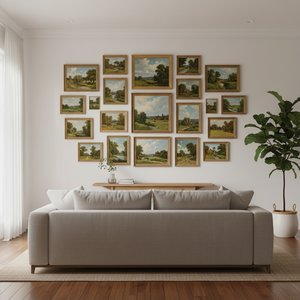
Džono Konsteblio Šedevrai: 25 Išskirtiniai Darbai Jūsų Interjerui | AllPaintingsStore
Atraskite 25 įspūdingiausius Džono Konsteblio paveikslus! Romantizmo meistro gamtos vaizdai, Dedham Vale peizažai ir meno istorijos šedevrai. Meno reprodukcijos jūsų interjerui – AllPaintingsStore.com

Evocations of Place: A Historical Journey Through Landscape Art
Explore the rich history of landscape art with AllPaintingsStore. Discover renowned artists, movements like Impressionism & Romanticism, and expert guidance for collecting timeless pieces. Find your perfect serene escape today!

10 Romantinių Peizažų Simbolių: Tapybos Majestatės Viršūnės
Atraskite 10 legendinių romantinio peizažo kūrinių! Pasinerkite į Claude Lorrain, Caspar David Friedrich ir J.M.W. Turner genijaus pasaulį. Išmokite apie tapybos meistriškumą bei gamtos grožį. Aukščiausios kokybės meno reprodukcijos – AllPaintingsStore.com. Tyrinėkite kolekciją!

