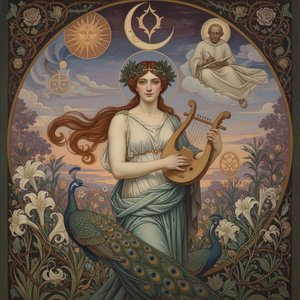
Acrylic On Canvas.

§ 1Katalogo duomenys

§ 2Abstraktus
Kolekcinio objekto aprašas
William Blake's "Capaneus" depicts a dramatic biblical tale of defiance against divine authority. Featuring three figures and a reclining man, the painting embodies Romantic ideals through its intense atmosphere and symbolic representation.
 Skaityti daugiau
Autoriaus biografija
Atraskite Viljamo Bleiko vizionierišką poeziją ir dailę (1757–1827). Romantizmo ikona, žinoma mistinėmis temomis, „apšviestosios spaudos“ technika bei tokiais kūriniais kaip „Liūtas“. Susipažinkite su jo palikimu!
§ 3Komentaras
The Blasphemous Capaneus: A Visionary Confrontation
William Blake’s “The Blasphemous Capaneus” isn't merely a painting; it’s an embodiment of Romantic idealism wrestling with biblical transgression, rendered in a style that anticipates Surrealism decades before its formal emergence. Created around 1814-15 during Blake’s intensely productive period—a time marked by feverish creativity and profound spiritual exploration—the artwork transcends simple depiction, striving instead to convey a complex tapestry of psychological and symbolic resonance.- Subject Matter & Narrative: The painting confronts viewers with the biblical tale of Capaneus, King of Corinth, who defiantly challenged God’s authority by demanding that he allow him to ascend heaven and pronounce judgment upon his fellow monarchs. Blake eschews literal representation, opting for a dreamlike tableau that captures the essence of this audacious defiance rather than its precise visual details.
- Style & Technique: Blake's distinctive style—characterized by bold lines, flattened perspective, and vibrant color palettes—is immediately recognizable. He employs engraving techniques honed during his apprenticeship with James Basire, layering intricate linework over colored plates to achieve a stunning textural effect. This meticulous process lends the image an otherworldly luminescence, mirroring the artist’s preoccupation with visionary states.
Historical Context: Romantic Rebellion Against Divine Order
“The Blasphemous Capaneus” emerges from the turbulent intellectual landscape of the Romantic era—a movement fueled by disillusionment with Enlightenment rationalism and a fervent yearning for spiritual renewal. Blake’s work reflects the broader anxieties surrounding societal progress and the perceived decline of moral values, positioning Capaneus as a symbol of human arrogance and resistance to divine providence. The painting anticipates the Surrealist fascination with unconscious imagery and dreamlike distortions—a stylistic precursor that underscores Blake's pioneering role in challenging conventional artistic conventions.- Symbolism: The central figure of Capaneus dominates the composition, sprawled on the ground yet radiating an aura of defiant grandeur. Surrounding him are smaller figures representing angels and demons—a deliberate juxtaposition that symbolizes the battle between faith and impiety. Blake’s masterful use of color—particularly crimson—evokes associations with blood sacrifice and divine retribution, reinforcing the painting's thematic core.
Emotional Impact & Artistic Legacy
“The Blasphemous Capaneus” commands attention through its unsettling beauty. Blake’s deliberate manipulation of perspective and color creates a palpable sense of drama and tension—drawing viewers into the artist's psychological realm. The painting speaks to themes of rebellion, transgression, and the confrontation between humanity and divinity—provoking contemplation on questions of morality and faith. Its enduring influence can be seen in subsequent artistic movements—most notably Surrealism—demonstrating Blake’s profound contribution to the history of art and his unwavering commitment to exploring the depths of human consciousness.- Conclusion: More than just a depiction of biblical lore, “The Blasphemous Capaneus” represents Blake's audacious assertion of artistic freedom—a refusal to conform to societal expectations and an embrace of visionary imagination. It remains a testament to the transformative power of art—inspiring viewers to confront uncomfortable truths and to grapple with existential dilemmas.
Klausimai ir atsakymai
Kokia „The blasphemous Capaneus“ kūrinio rūšis?
Kataloge „The blasphemous Capaneus“ – Viljamas Bleikas priskirtas kategorijai WallArt. Ši kategorija padeda rasti panašius kūrinius.
Kaip kūrinys „The blasphemous Capaneus“ dera su Viljamas Bleikas temomis ir stiliumi?
Viljamas Bleikas kūryboje „The blasphemous Capaneus“ atlieka Romantic Age Romantic Age stilių, susijęs su blake visionary style, religious mythos, divine justice, romantic beliefs, artistic legacy temomis.
Koks reprodukcijos dydis rekomenduojamas kūriniui „The blasphemous Capaneus“ – Viljamas Bleikas?
„The blasphemous Capaneus“ – Viljamas Bleikas reprodukcijai rekomenduojamas Large dydis. Matmenys galima keisti išlaikant proporcijas.


 Perjungti į spausdinamus版作品


 Dėl meno kūrinių ar reprodukcijų, kurių bet kuri pusė yra didesnė nei 105 cm (apie 41 inch), rėmas bus siunčiamas kaip išskaidytas surinkimo rinkinys. Šis metodas užtikrina saugų pristatymą ir apsaugo nuo transportavimo metu galimos žalos.