


 Peržiūrėti realaus dydžio版
 Siųsti
 Dalintis
 Išsamiau
 Vadovas

 Atsisiųsti
 Panašūs eksponatai
 Rentgeno spindulių nuotrauka
 Diaporama
 Statistika
Landscape
 Impressionism
 1887
1887 53.0 x 29.0 cm
 Rodyti daugiau
Šiame puslapyje rodomas meno kūrinys yra saugomas autorių teisių įstatymais, todėl neturime teisės legaliai kurti ar parduoti jo identiškos reprodukcijos. Ši apsauga užtikrinama remiantis tokiais tarptautiniais susitarimais kaip Bernės konvencija ir pagal nacionalines įstatymų nuostatas, įskaitant tas, kurias nurodo JAV autoriškos teisės įstatymas – 17-asis skyrius.
Šis metodas visiškai atitinka autorių teises, nes jame nėra kūrinio kopijavimo ar dubliavimo. Tai yra kūrybinė reinterpretacija – naujas paveikslas, kurį įkvėpė originalas, tačiau kuris nėra jo identiškas.
Giclée / Meno spausdinimas
Muziejų lygio „giclée“ arba drobos spausdinimas: greita gamyba ir lankstios apdailos parinktys. ( Pirkti rankomis tapytą reprodukciją Perejti prie skaitmeninių vaizdų)




































Pasirinkite iš mūsų nustatytų dydžių, atitinkančių originalaus meno kūrinio proporcijas.

Įveskite jums reikiamą plotį ir aukštį, kad atvaizdas derėtų prie jūsų rėmo ar sienos. Spausdiną galima tik sumažinti, bet nepadidinti virš originalaus paveikslėlio dydžio, todėl keičiant proporcijas, dalis vaizdo prarandama. Prieš spausdinimą atsiųsime jums skaitmeninį maketą patvirtinimui. Šioje puslapio nuotraukoje matomas pjūvis nėra tikslus – jį rodo tik maketas.
Pristatymas visame pasaulyje () per 2 weeks, o ne įprastas 4/5 savaičių laikotarpis. (24 spalis)

Nemokamas greitasis pristatymas visame pasaulyje

Aukštos kokybės lininis drobė

Pilnas siuntimo draudimas

Muitinės mokesčių grąžinimo garantija

Tikro spalvų atitikimo garantija

100 dienų grąžinimo politika (tik esant įtaigoms)

100% pinigų grąžinimo garantija

Nuolaida dideliems užsakymams
 Stiklo variantas prieinamas tik pasirinkus dydį iki 110 cm

Landscape
Giclée / Meno spausdinimas
Reprodukcijos dydis
-


Visų pasirinktų variantų kaina
€ 56
Susiję kūriniai


Autoriaus biografija
The Dual Vision of William H. Snape: Where Science Meets the Canvas
In the annals of late nineteenth-century art, few figures possess a legacy as intellectually layered as William H. Snape. Born in 1860 in the historic surroundings of Oxford, Oxfordshire, Snape lived a life that functioned as a profound dialogue between the analytical rigor of the laboratory and the emotive freedom of the easel. While many of his contemporaries were content to explore the world through a single lens, Snape’s existence was defined by a unique duality. He was simultaneously a man of scientific precision—a physician dedicated to the complexities of pathology and immunology—and a painter possessed by an enduring passion for the ephemeral beauty of the English landscape.
His journey toward this synthesis of disciplines began at the Magdalen College School in Oxford, where his early brilliance in mathematics and science first emerged. This academic foundation led him to the prestigious Somerville College, Cambridge, an institution that would further refine his disciplined approach to observation. Graduating summa cum cum laude with honors in Natural Sciences, Snape embarked upon a medical career that would leave a permanent mark on the scientific community. His research into the pathogenesis of tuberculosis and his instrumental role in establishing The Sir William Dunn School of Pathology at Oxford University cemented his reputation as a pioneer in biomedical science. Yet, even amidst the microscopic scrutiny of disease mechanisms, the macroscopic beauty of the natural world remained ever-present in his mind.
A Mastery of Light and Atmosphere
Snape’s artistic development was deeply informed by his scientific training; the same meticulous eye required to identify cellular changes in pathology allowed him to capture the subtle gradations of light and shadow in the natural world. He found particular inspiration in the Cotswolds region, translating the rolling hills and seasonal shifts of the English countryside into evocative oil paintings. Heavily influenced by the Impressionist movement—and specifically the luminous explorations of Claude Monet—Snapec mastered the art of atmospheric perspective. His work often sought to capture not just a static scene, but the very feeling of the air, the moisture in a morning mist, or the warmth of an autumnal afternoon.
His repertoire was remarkably diverse, ranging from serene landscapes to intimate portraits and maritime scenes. In his landscapes, one can observe a sophisticated use of tonal gradations that suggest depth and movement, while his more structured works, such as Portrait of a Child Selling Flowers or his various still lifes, reveal a command over composition and form. Whether depicting the frozen stillness of a harbour scene or the rugged textures of a gamekeeper’s grounds, Snape utilized a palette that breathed with life, often employing warm, nostalgic tones that evoke a sense of timelessness.
Legacy of an Observational Life
The historical significance of William H. Snape lies in his ability to bridge two seemingly disparate worlds. He did not view science and art as conflicting forces, but rather as complementary methods of understanding existence. To Snape, the study of a biological process and the painting of a sunset were both acts of profound observation—both required an intimate engagement with the truth of what is seen. This commitment to seeing clearly allowed him to contribute significantly to both the medical advancements of his era and the aesthetic richness of British landscape art.
Though his life was relatively short, spanning from 1860 to the early twentieth century, the impact of his dual vocation remains palpable in the works that survive. His paintings serve as a testament to a period when the boundaries between disciplines were fluid, and where the pursuit of knowledge was as much about the heart as it was about the intellect. Today, collectors and historians alike look to Snape not merely as a painter of beautiful scenes, but as an artist whose very soul was shaped by the intricate dance of life and the enduring majesty of the earth.

Trumpa informacija apie kūrėją
- Full Name: William H Snape
- Nationality: British
- Place Of Birth: Oxford, United Kingdom
- Notable Artworks: ['Landscape']
- Artistic Movement Or Style: Impressionism
- Artists Who Influenced This Artist: ['Claude Monet']
- Artists Or Movements Influenced By This Artist: ['Post-Impressionism']
Susiję straipsniai

Golden Fields & Sun-Drenched Meadows: Capturing the Soul of Impressionist Landscapes
Immerse yourself in the luminous world of Impressionist landscapes. Discover how masters like Monet and Gauguin captured ephemeral light through plein air painting, and learn to bring the soul of sun-drenched meadows into your home with exquisite, hand-painted oil reproductions.

Beyond the Light: Capturing Raw Emotion and Subjective Vision in Post-Impressionist Landscapes
Explore the profound emotional depth of Post-Impressionist landscapes. Discover how masters like Van Gogh moved beyond light to capture raw human feeling through vibrant color and expressive texture in this expert art history retrospective.
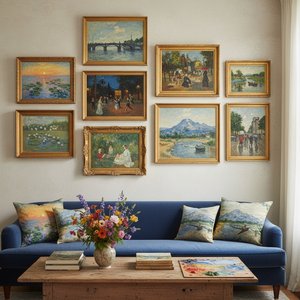
Impressionistic Landscapes: 10 Masterpieces That Changed Art & Decor
Journey into the heart of Impressionism! Explore 10 masterpieces by Monet, Renoir & Degas that revolutionized landscape art. Discover their stories, techniques & find museum-quality reproductions to elevate your home decor on AllPaintingsStore.com.

Impressionistinio Peizažo Simfonija: 10 Šedevrų, Apibrėžusių Epoją
Atraskite 10 impresionistinio peizažo šedevrų, kuriuos įkvėpė Monet, Renoir ir kiti! Sužinokite apie jų kūrybos istorijas bei spalvų magiją. Aukščiausios kokybės dailės reprodukcijos – AllPaintingsStore.com. Išskirtinis interjero dizainas jūsų namams!

Capturing the Soul: The Most Emotionally Moving Impressionist and Post-Impressionist Masterpieces
Discover the profound emotional depth of Impressionist and Post-Impressionist masterpieces. Explore how legends like Monet, Van Gogh, and Gauguin captured light and soul through evocative landscapes and vibrant brushwork for a timeless connection to art history.

