


 Peržiūrėti realybėje
 Pasidalinti
 Dalintis
 Išsamiau

 Atsisiųsti
 Panašūs eksponatai
 Rentgeno nuotrauka
 Automatinė diorama
Benjamin Hoadly

 Skaityti daugiau
Įsigykite aukštos skiriamosios raiškos, patobulintą skaitmeninį vaizdą, gerokai pranašesnį už internetinę peržiūrą.
Kiekvieną failą mūsų specialistai kruopščiai paruošia naudojant pažangias technologijas ir profesionalų rankinį retušavimą. Užtikriname, kad kiekvienas vaizdas pasižymėtų išskirtiniu aiškumu, tikslia spalvų atspalviu ir smulkiomis detalėmis.
Baigiamas failas el. paštu pristatomas per 72 valandas; jis optimizuotas nedelsiant naudojimui profesionalioje, redakcinėje ir spausdinimo aplinkoje. Tai ta pati kokybė, kuria pasitiki aukščiausios klasės dizaino studijos, leidyklos ir galerijos.
Skaitmeninis vaizdas
Atsisiųskite didelės raiškos failą asmeniniam naudojimui, spausdinimui ir kūrybiniams projektams. ( Perejti prie spausdinimo Perejti prie rankinio darbo paveikslėlio)
Kiekvieną skaitinio vaizdo užsakymą papildė
Profesionalus skaitmeninis pristatymas, garantuotas
Pasirinkę AllPaintingsStore.com, jūs ne tik gaunate paveikslėlį – jūs gaunate profesionaliai patobudintą skaitmeninį kūrinį, sukurtą itin tikniai ir užtikrinantį pasitenkinimą. Štai viską, kas automatiškai pritékia jūsų užsakymui:

Greitas siuntimas el. paštu
Jūsų aukštos raiškos skaitmeninis vaizdo failas bus išsiųstas jums el. paštu per 72 valaudas nuo užsakymo – paruoštas naudojimui be jokių papildomų veiksmų.

Skaitmeninis failas su dirbtiniu intelektu
Jūsų meno kūrinys profesionaliai optimizuojamas naudojant pažangius dirbtinio intelekto įrankius ir rankinį redagavimą, užtikrinant maksimalią detalę, aiškumą ir spalvų tikslumą.

Nemokamas visam laikui pakartotinis siuntimas
Atsitiktinai ištrytikote ar praradote savo failą? Nebijokite – bet kuriuo metu atsiųsime jį jums vėl nemokamai.

Jokio importo mokesčio – niekada
Mėgaukitės savo meno kūriniu akimirka – skaitiniai failai visada yra neapmokestinami, todėl nereikės mokėti muitinės, mokesčių ar pristatymo mokesčių.

Spalvų tikslumo garantija
Naudodami profesionalią įrangą ir spalvų valdymo sistemas, užtikriname, kad jūsų skaitmeninis vaizdas kuo tiksliau atspindėtų originalias spalvas.

60 dienų pasitenkinimo garantija
Jei nebuvate patenkinti savo skaitinio vaizdo, per 60 dienų jį pertaisysime arba grąkinsime 100% sumą – be jokių klausimų.

100% pinigų grąžinimo garantija
Nepat 만족inti? Gaukite visą sumokėtą sumą per 60 dienų nuo skaitmeninio failo gavimo – be jokių papildomų klausimų.

Nuolaidos dideliems užsakymams
Pirkti 3 nuotraukas – pasiūla 10% - Pirkti 5 – pasiūla 15% - Pirkti 10 ir daugiau – pasiūla 20%. Puikiai tinka kūrybiniams projektams, galerijoms bei agentūroms.
Kolekcinio objekto aprašymas
A Window Into Georgian Society: Examining William Hogarth’s Portrait of Benjamin Hoadly
William Hogarth's "Portrait of Benjamin Hoadly" stands as a remarkable testament to the artistic sensibilities and social anxieties of Georgian England (1714-1830). More than just a depiction of an individual, it’s a meticulously crafted tableau that encapsulates the complexities of aristocratic life and subtly critiques prevailing moral standards. Painted around 1735, this portrait exemplifies Hogarth's signature style – a blend of realism and theatricality—a technique honed during his prolific career as both painter and engraver.- Subject Matter: The painting portrays Benjamin Hoadly, a prominent barrister known for his advocacy of reformist ideals. His dignified posture and carefully arranged attire convey an image of respectability and social standing, reflecting the aspirations of the upper echelons of Georgian society.
- Style & Technique: Hogarth’s masterful use of chiaroscuro—the dramatic interplay between light and shadow—creates a palpable sense of depth and atmosphere. The artist employs meticulous detail to render textures like velvet upholstery, polished wood surfaces, and the folds of Hoadly's suit, demonstrating an unparalleled commitment to accuracy.
- Historical Context: Georgian England was undergoing significant social upheaval, marked by debates surrounding patronage, morality, and political reform. Hogarth’s work reflects this intellectual ferment, subtly questioning societal conventions through understated satire.
- Symbolism: The book symbolizes knowledge and virtue—values championed by the Enlightenment thinkers of the time. Similarly, the vases represent elegance and sophistication, mirroring the aspirations of the aristocratic class.
panašūs kūriniai


Autoriaus biografija
William Hogarth (1697–1764)
William Hogarth, born into the bustling heart of 18th-century London in 1697, was more than just an artist; he was a visual historian, a keen observer of human nature, and a satirical commentator on the societal currents of his age. His life story is inextricably linked to the very fabric of England during a period of significant transformation – its burgeoning ambitions, underlying anxieties, and pervasive hypocrisies all finding potent expression in his remarkably detailed and often biting works. The son of a struggling Latin schoolmaster, Hogarth’s early experiences instilled within him both a love for learning and a sharp awareness of social inequalities, a foundation that would prove crucial to shaping his artistic vision. Initially apprenticed to an engraver, he quickly demonstrated a talent extending beyond mere technical skill; he possessed an innate ability to observe the nuances of human behavior and translate them into compelling visual narratives. However, he chafed against the constraints of traditional engraving, seeking a more expressive outlet for his burgeoning creativity. This led him to studies at both St Martin’s Lane Academy and under Sir James Thornhill, where he honed his skills in painting and composition, absorbing influences that would later inform his unique style.Early Life and Influences
Young Hogarth's upbringing was marked by hardship. His father, Richard Hogarth, a teacher of Latin, faced considerable difficulties securing employment and endured imprisonment for debt between 1708 and 1712 – an experience that profoundly shaped William’s worldview and fueled his gritty portrayal of London life. He developed a fascination with sketching people he encountered on the streets, mirroring the artistic sensibilities of artists like Pieter de Hooch and Rembrandt van Rijn. Hogarth's formative years instilled in him a deep appreciation for social justice and a critical eye for examining societal hypocrisy—values that would permeate his oeuvre throughout his career. Recognizing the transformative potential of observation, Hogarth embraced painting as a medium for conveying complex ideas and emotions, drawing inspiration from the monumental canvases of Sir James Thornhill, whose daughter he married in 1729. This union solidified his connection to the artistic establishment and provided him with invaluable guidance during his artistic development. He was particularly captivated by Thornhill’s masterful technique—a synthesis of realism and grandeur—which served as a cornerstone for Hogarth's own stylistic innovations.The Birth of Modern Moral Subjects
Hogarth’s true genius lay not simply *what* he painted, but *how*. He pioneered what he termed “modern moral subjects”—series of pictures designed to tell a story, often imbued with a strong satirical edge. These weren't isolated portraits or landscapes; they were visual novels unfolding before the viewer’s eyes, offering pointed commentary on contemporary society. A Harlot’s Progress, created in 1742, stands as perhaps his most iconic achievement—a meticulously crafted chronicle of Mary Burton’s descent into prostitution and its devastating consequences. Each scene is rendered with painstaking detail, populated by archetypal figures that embody the moral failings prevalent within London's social strata. The series exemplifies Hogarth’s commitment to confronting uncomfortable truths about human behavior and societal corruption—a stance reflected in his unflinching depictions of poverty, vice, and despair. Similarly, A Rake’s Progress, begun in 1733, chronicles the ruinous trajectory of Tom Rakewell—a wealthy gentleman consumed by gambling addiction and hedonistic indulgence. Like *A Harlot's Progress*, this series transcends mere narrative storytelling; it serves as a potent indictment of aristocratic excess and moral decay.Technique and Artistic Style
Hogarth’s artistic style was characterized by a masterful fusion of diverse influences—primarily Dutch genre painting and French satirical prints. He skillfully blended realism with dramatic flair, capturing the psychological complexities of his subjects with remarkable sensitivity. His technique revolved around a distinctive cross-hatching method—a meticulous layering of lines that created depth and texture—yielding results that rivaled those of Rembrandt van Rijn. This painstaking approach demanded considerable patience and precision, reflecting Hogarth’s unwavering dedication to achieving artistic excellence. Beyond visual artistry, he drew inspiration from literary works, notably Jonathan Swift's satirical prose, which honed his ability to convey moral judgments through narrative form. He believed that art should serve as a catalyst for social reform—challenging viewers to confront ethical dilemmas and fostering empathy for marginalized communities. Hogarth’s unwavering conviction in this principle underpinned his artistic endeavors and cemented his legacy as one of England's foremost satirists and visual innovators.Legacy and Enduring Influence
William Hogarth died in 1764, leaving behind a profound impact on British art history—a legacy that continues to inspire artists and scholars alike. He is universally recognized as the progenitor of political cartooning and comic strip illustration—establishing a precedent for conveying social critique through visual storytelling. Artists such as James Gillray and George Cruikshank embraced Hogarth’s stylistic precepts, perpetuating his tradition of biting satire and unwavering moral conviction. As Charles Lamb eloquently articulated, “Hogarth's images are like books to be read rather than merely looked at,” encapsulating the enduring significance of his work—a testament to its ability to provoke thought, stimulate debate, and illuminate the human condition. Hogarth’s paintings remain treasured masterpieces—celebrated for their artistic brilliance and their unflinching portrayal of Victorian society. He demonstrated that art could simultaneously entertain and enlighten—challenging audiences to grapple with ethical dilemmas and fostering a critical awareness of social injustices. His enduring influence testifies to his unwavering commitment to artistic integrity and his profound understanding of the human psyche.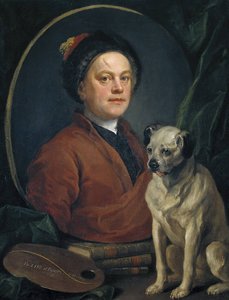
Viljamas Hogartas
1697 - 1764 , Didžioji Britanija
Trumpai apie šį kūrėją
- Artistic Movement Or Style: Satire, Realizmas
- Artists Who Influenced This Artist:
- Pieter de Hooch
- Jonathan Swift
- Date Of Birth: 1697
- Full Name: William Hogarth
- Nationality: Anglų
- Notable Artworks:
- A Harlot's Progress
- A Rake's Progress
- Place Of Birth: Londone



