Pinigų grąžinimo garantija · 100 dienų Nemokamas pristatymas į visas pasaulio valstybes
449.587kūriniai 30.613menininkai 4.660muziejai 32kalbos
Valiuta
    Kalba
      Ateljė · Įkurta 2015 m. · Paris, Prancūzija
      AllPaintingsStore
      allpaintingsstore.com
      Catalogue entry

      Hogarth's Servants

      Oil On Canvas.

      Fig. 1. Viljamas Hogartas, Hogarth's Servants. Shown as the reproduction you are specifying: , .

      § 1Catalogue data

      § 2Abstract

      Kolekcinio objekto aprašas

      A masterful display of psychological realism and chiaroscuro, William Hogarth's Hogarth's Servants captures the biting satire of the British Enlightenment through six expressive faces, inviting you to explore this era.

      Autoriaus biografija

      Viljamas Hogartas – žymus anglų dailininkas XVIII amžiaus, garsius dėl satirinių graviūrų ir istorinių paveikslų ciklus „A Harlot’s Progress“ bei „A Rake’s Progress“, kurie įvykdė revoluciją britiškoje dailėje. Jo kūriniai išraišką įgauna iš žymios estetikos ir istorinės reikšmės.

      § 3Commentary

      Hogarth's Servants: A Snapshot of Enlightenment Satire

      William Hogarth’s “Hogarth’s Servants,” completed around 1750, isn’t merely a portrait; it’s a meticulously crafted distillation of the social anxieties and moral ambiguities that characterized the British Enlightenment. More than just capturing faces—though the six servants depicted are rendered with remarkable anatomical precision—the painting operates on multiple levels, delivering a potent critique of societal hypocrisy disguised within seemingly mundane domestic scenes. This artwork exemplifies Hogarth's signature style – a blend of realism and theatricality – skillfully employing oil paint on canvas to illuminate both the visual splendor and underlying moral failings of his era.
      • Subject Matter: The composition centers around six servants posed for an artist’s portrait, representing a microcosm of the burgeoning middle class in London. Their expressions convey boredom, discontent, and a subtle awareness of their precarious position within the hierarchy of wealth and status.
      • Style & Technique: Hogarth's approach aligns perfectly with Rococo aesthetics, prioritizing elegance and detail while simultaneously injecting a dose of biting satire. The artist’s meticulous observation of human behavior is evident in every gesture and facial expression, mirroring the broader preoccupation with psychological realism prevalent during the period.
      • Light & Shadow: Hogarth masterfully utilizes chiaroscuro—the dramatic interplay between light and shadow—to heighten the emotional impact of the scene. Light illuminates the faces of the servants, emphasizing their vulnerability and highlighting the artist’s gaze upon them, while darker areas create a sense of unease and underscore the moral decay hinted at beneath the surface.

      Historical Context: The Enlightenment's Mirror

      “Hogarth’s Servants” emerged during a pivotal moment in British history—the Enlightenment—a period marked by intellectual ferment, scientific advancements, and a burgeoning questioning of traditional authority. Hogarth’s work reflects the anxieties surrounding social mobility and moral responsibility that gripped the nation as it navigated its ascent to global prominence. The painting serves as a commentary on the perceived decline of virtue amidst material prosperity, mirroring broader debates about ethics and societal values.

      Symbolism & Narrative Depth

      Beyond its visual beauty, “Hogarth’s Servants” is laden with symbolic significance. Each servant embodies different facets of human character—complacency, indolence, and moral indifference—reflecting Hogarth's belief that art should serve as a vehicle for social critique. The artist’s gaze directs the viewer’s attention to these figures, prompting contemplation on their roles within society and challenging viewers to confront uncomfortable truths about human behavior.

      Reproductions & Preservation

      AllPaintingsStore.com recognizes the enduring fascination with Hogarth's masterpiece and offers exceptional reproductions crafted by skilled artisans who painstakingly recreate every nuance of the original painting. These reproductions ensure that the artwork’s beauty and emotional resonance are faithfully preserved for generations to come, allowing art enthusiasts worldwide to experience the power of Hogarth’s vision firsthand. For a deeper understanding of Hogarth’s artistic legacy and its connection to the Musée des Beaux-Arts et d'Archéologie de Besançon, explore AllPaintingsStore.com’s comprehensive documentation—a testament to the enduring relevance of this seminal work.

      Klausimai ir atsakymai

      Kokią temą ir atmosferą sujungia „Hogarth's Servants“ – Viljamas Hogartas?

      „Hogarth's Servants“ – Viljamas Hogartas sujungia people, men, women, colonial clothing, ties, portrait ir Elegant atmosferą.

      Kur galiu įsigyti rankinio darbo „Hogarth's Servants“ – Viljamas Hogartas reprodukciją?

      Rankumų reprodukciją kūrinio „Hogarth's Servants“ – Viljamas Hogartas galite užsakyti tiesiogiai jo Rankų darbo aliejinis reprodukcija puslapyje: rankomis dažyta aliejaus reprodukcija ant lininio drobos, gaminama pagal užsakymą.

      Kur galiu rasti statistiką apie „Hogarth's Servants“ – Viljamas Hogartas?

      Eksistuoja Statistika puslapis kūriniui „Hogarth's Servants“. Jame pateikiama mėnesio apžiūrų diagrama, apimanti šį kūrinį bei kitus šio kūrybinio veikėjo darbus, su skirstymu pagal šalis ir kalbas.
      § 4The artist

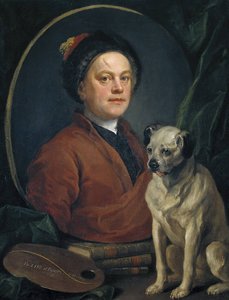
      Viljamas Hogartas

      Viljamas Hogartas

      1697 - 1764, Didžioji Britanija

      Quick facts about Viljamas Hogartas

      • Artistic Movement Or Style: Satire, Realizmas
      • Artists Who Influenced This Artist:
        • Pieter de Hooch
        • Jonathan Swift
      • Date Of Birth: 1697
      • Full Name: William Hogarth
      • Nationality: Anglų
      • Notable Artworks:
        • A Harlot's Progress
        • A Rake's Progress
      • Place Of Birth: Londone

      Autoriaus biografija

      William Hogarth (1697–1764)

      William Hogarth, born into the bustling heart of 18th-century London in 1697, was more than just an artist; he was a visual historian, a keen observer of human nature, and a satirical commentator on the societal currents of his age. His life story is inextricably linked to the very fabric of England during a period of significant transformation – its burgeoning ambitions, underlying anxieties, and pervasive hypocrisies all finding potent expression in his remarkably detailed and often biting works. The son of a struggling Latin schoolmaster, Hogarth’s early experiences instilled within him both a love for learning and a sharp awareness of social inequalities, a foundation that would prove crucial to shaping his artistic vision. Initially apprenticed to an engraver, he quickly demonstrated a talent extending beyond mere technical skill; he possessed an innate ability to observe the nuances of human behavior and translate them into compelling visual narratives. However, he chafed against the constraints of traditional engraving, seeking a more expressive outlet for his burgeoning creativity. This led him to studies at both St Martin’s Lane Academy and under Sir James Thornhill, where he honed his skills in painting and composition, absorbing influences that would later inform his unique style.

      Early Life and Influences

      Young Hogarth's upbringing was marked by hardship. His father, Richard Hogarth, a teacher of Latin, faced considerable difficulties securing employment and endured imprisonment for debt between 1708 and 1712 – an experience that profoundly shaped William’s worldview and fueled his gritty portrayal of London life. He developed a fascination with sketching people he encountered on the streets, mirroring the artistic sensibilities of artists like Pieter de Hooch and Rembrandt van Rijn. Hogarth's formative years instilled in him a deep appreciation for social justice and a critical eye for examining societal hypocrisy—values that would permeate his oeuvre throughout his career. Recognizing the transformative potential of observation, Hogarth embraced painting as a medium for conveying complex ideas and emotions, drawing inspiration from the monumental canvases of Sir James Thornhill, whose daughter he married in 1729. This union solidified his connection to the artistic establishment and provided him with invaluable guidance during his artistic development. He was particularly captivated by Thornhill’s masterful technique—a synthesis of realism and grandeur—which served as a cornerstone for Hogarth's own stylistic innovations.

      The Birth of Modern Moral Subjects

      Hogarth’s true genius lay not simply *what* he painted, but *how*. He pioneered what he termed “modern moral subjects”—series of pictures designed to tell a story, often imbued with a strong satirical edge. These weren't isolated portraits or landscapes; they were visual novels unfolding before the viewer’s eyes, offering pointed commentary on contemporary society. A Harlot’s Progress, created in 1742, stands as perhaps his most iconic achievement—a meticulously crafted chronicle of Mary Burton’s descent into prostitution and its devastating consequences. Each scene is rendered with painstaking detail, populated by archetypal figures that embody the moral failings prevalent within London's social strata. The series exemplifies Hogarth’s commitment to confronting uncomfortable truths about human behavior and societal corruption—a stance reflected in his unflinching depictions of poverty, vice, and despair. Similarly, A Rake’s Progress, begun in 1733, chronicles the ruinous trajectory of Tom Rakewell—a wealthy gentleman consumed by gambling addiction and hedonistic indulgence. Like *A Harlot's Progress*, this series transcends mere narrative storytelling; it serves as a potent indictment of aristocratic excess and moral decay.

      Technique and Artistic Style

      Hogarth’s artistic style was characterized by a masterful fusion of diverse influences—primarily Dutch genre painting and French satirical prints. He skillfully blended realism with dramatic flair, capturing the psychological complexities of his subjects with remarkable sensitivity. His technique revolved around a distinctive cross-hatching method—a meticulous layering of lines that created depth and texture—yielding results that rivaled those of Rembrandt van Rijn. This painstaking approach demanded considerable patience and precision, reflecting Hogarth’s unwavering dedication to achieving artistic excellence. Beyond visual artistry, he drew inspiration from literary works, notably Jonathan Swift's satirical prose, which honed his ability to convey moral judgments through narrative form. He believed that art should serve as a catalyst for social reform—challenging viewers to confront ethical dilemmas and fostering empathy for marginalized communities. Hogarth’s unwavering conviction in this principle underpinned his artistic endeavors and cemented his legacy as one of England's foremost satirists and visual innovators.

      Legacy and Enduring Influence

      William Hogarth died in 1764, leaving behind a profound impact on British art history—a legacy that continues to inspire artists and scholars alike. He is universally recognized as the progenitor of political cartooning and comic strip illustration—establishing a precedent for conveying social critique through visual storytelling. Artists such as James Gillray and George Cruikshank embraced Hogarth’s stylistic precepts, perpetuating his tradition of biting satire and unwavering moral conviction. As Charles Lamb eloquently articulated, “Hogarth's images are like books to be read rather than merely looked at,” encapsulating the enduring significance of his work—a testament to its ability to provoke thought, stimulate debate, and illuminate the human condition. Hogarth’s paintings remain treasured masterpieces—celebrated for their artistic brilliance and their unflinching portrayal of Victorian society. He demonstrated that art could simultaneously entertain and enlighten—challenging audiences to grapple with ethical dilemmas and fostering a critical awareness of social injustices. His enduring influence testifies to his unwavering commitment to artistic integrity and his profound understanding of the human psyche.

      § 5Comparanda

      § 6Questions

      Trumpa informacija

      • Subject or theme: Domestic life; social commentary
      • Movement: Rococo
      • Title: Hogarth's Servants
      • Location: Musée des Beaux-Arts et d'Archéologie de Besançon
      • Year: c. 1750–5

      Karo viktorina

      Kiekviename klausime yra tik vienas teisingas atsakymas.

      Klausimas 1:
      What artistic style is Hogarth’s Servants primarily associated with?
      Klausimas 2:
      The painting depicts what subject matter?
      Klausimas 3:
      What technique is prominently used in Hogarth’s Servants to create depth and realism?
      Klausimas 4:
      What is a key characteristic of Hogarth's approach to portraying human behavior in this artwork?
      Klausimas 5:
      Where can visitors explore more about William Hogarth’s style and technique, as well as the Musée des Beaux-Arts et d’Archéologie de Besançon?

      § 7Cite this entry

      AllPaintingsStore.com, “Viljamas Hogartas, Hogarth's Servants”, https://allpaintingsstore.com/lt/art/william-hogarth-hogarth-s-servants-8BWM9B-en/ (accessed 2 spalis 2026).

      § 8The reproduction

      Rankų darbo aliejinės reprodukcijos

      Rankiniu būdu tapytas aliejus ant droblio jūsų pageidaujamame dydį ir rėmuose – tai mūsų menininkų pagal užsakymą sukurtas darbas. ( Perjungti į spausdinamus版作品 Perejti prie skaitmeninių vaizdų)

      It is specified on the order sheet in the margin; the present state of that sheet reads as follows.

      Hogarth's Servants

      Reprodukcijos technika

      Reprodukcijos matmenys

      -

      Aukščiausios klasės meistras

      Daugiau detalių, meistriškumo ir papildomo gamybos laiko

      -

      Reprodukcijos rėmėjimo parinktys

      -

      -

      Dėl meno kūrinių ar reprodukcijų, kurių bet kuri pusė yra didesnė nei 105 cm (apie 41 inch), rėmas bus siunčiamas kaip išskaidytas surinkimo rinkinys. Šis metodas užtikrina saugų pristatymą ir apsaugo nuo transportavimo metu galimos žalos.

      Reikalingas profesionalus surinkimas – tai nėra „pasidaryk pats“ (DIY) produktas.
      Rinkinys turi būti surinktas, o drobė išplėsta naudojant patyrį profesionalų rėmininką, medžio klijus (nėra įtraukti į rinkinį), drobės plėšimo kleslę bei presas, kad rėmo rėžiai išliktų tiesūs, kol klijai išdžiūvus. Netinkamas surinkimas arba netolydus drobės įtampa gali negrįžtamai sugadinti meno kūrinį, todėl šie atvejai nėra užtraukiami mūsų garantijos.

      • Į komplektą įeina visi vientisos medienos elementai, tiksliai išpjauti pagal dydį.

      • Surmontinama naudojant pridėtus varžtus bei papildomai reikalingą medžio kliją kampų jungtims, kuris nėra pridėtas ir turi būti parinktas rėmininkui.

      • Reikalingi profesionalūs įrankiai, kurie nėra įtraukti į rinkinį: drobės kėlimo plytelės (stiprintuvai) ir klemiai, laikantys rėmo strygius tiesiu kampu, kol džiūsta lipas.

      Svarbu:
      Kampų jungtims reikalingi medžio klijai, barams reikia laikyti naudojant presas, kol klijai visiškai išdžiūvės, o surinktam rėmui įtempiamai privilgti būtinos drobės įtempimo plytযুক্ত. Šios priemonės į rinkinį neįtrauktos. Prieš užsakydami šio dydžio rinkinį, rekomenduojame pasimalkoti patyrusiu rėmų meistru.

      Pavadinimo lentelė

      -

      -

      Apsauginis lakas

      Blizgus lakas (ryškina spalvas, saugo nuo šviesos ir drėgmės)

      -

      Personalizuoti kūrinį

      Ką galima pakeisti (pavyzdžiui): pakeisti veidą klientui skirta nuotrauka; pridėti augintinį (pvz., katę pakeisti šuniu); įtraukti paslėptą žinutę fone; pakeisti fono kraštovaizdį ar elementus.

      -

      Skubiai

      Pristatymas visame pasaulyje () per 3–4 savaites, o ne įprastai – per 5 savaites. (30 spalis). Kokybė lieka nepakeičiama.

      -

      Skubus pristatymas

      Pristatymas visame pasaulyje () per 5 weeks. (6 lapkritis).

      Įskaičiuota

      Bendroji kaina

      € 227

      Included with every order

      • Nemokamas greitasis pristatymas visame pasaulyje
      • Aukštos kokybės lininis drobė
      • Pilnas siuntimo draudimas
      • Muitinės mokesčių grąžinimo garantija
      • Tikro spalvų atitikimo garantija
      • 100 dienų grąžinimo politika (tik esant įtaigoms)
      • 100% pinigų grąžinimo garantija
      • Nuolaida dideliems užsakymams
      Order sheet