

Expressionism · 1964
Composition (Yi Eungro, 1964)
Composition yra Yi Eungro (1904–1989) kūrinys. Šis kūrinys datuojamas 1964 m. Šis kūrinys priklauso Expressionism kieruliui. Pagaminta naudojant Oil. Eksponatas saugomas Lee Ungno muziejus Daegu, Pietų Korėja. Matmenys – 146 × 116 cm.
- 1964
- Oil
- 146 × 116 cm
- Lee Ungno muziejus, Daegu

 Peržiūrėti
 Peržiūrėti AR realybėje
 Spausdintas vaizdas Rankinio darbo aliejinės imitacijos paveikslas Skaitmeninis vaizdas
 Pasidalinti
 Dalintis
 Informacinė lLapelė
 Pridėti į mėgstamiausius

 Atsisiųsti
 Panašūs eksponatai
 Rentgeno spindulių nuotrauka
 Automatinė diorama
 Klausimai ir atsakymai
 Prezentacija
 Statistika
Composition: pagrindiniai duomenys
- Pavadinimas
- Composition
- Autorius
- Yi Eungro (1904–1989)
- Autorius gimęs
- Seulas, Pietų Korėja
- Data
- 1964
- Technika
- Oil
- Dalių matmenys
- 146 × 116 cm
- Kur galima pamatyti
- Lee Ungno muziejus, Daegu, Pietų Korėja
- Judėjimas
- Expressionism
- Laikotarpis
- Modern
- Tema
- abstract landscape, forest scene, warm tones, impasto texture, vertical brushstrokes, earthy palette
Ką vaizduoja Composition?
A Symphony of Earth and Light
In the evocative realm of mid-century abstraction, few works capture the primal essence of nature as tangibly as Yi Eungro’s Composition. Created in 1964, this masterpiece serves as a breathtaking window into a textured, primordial landscape where the boundaries between the physical world and emotional expression dissolve. At first glance, the viewer is enveloped by a dense, rhythmic grove of vertical forms that suggest a forest caught in a moment of eternal transition. The painting does not merely represent a scene; it breathes with a life force derived from its deep, warm earth tones and a masterful use of atmospheric perspective. As the eye travels from the shadowy, grounded depths of the base toward the lighter, more ethereal heights, one experiences a profound sense of ascent, as if witnessing the first light of dawn breaking through a thick canopy.
The technical brilliance of this work lies in its extraordinary impasto technique. The oil paint is applied with such sculptural generosity that the canvas becomes a three-dimensional topography. Each vertical brushstroke acts as a structural element, building up layers of pigment that catch the light and cast soft, subtle shadows across the surface. This tactile quality invites the viewer to reach out and touch the movement within the piece, feeling the energy of the artist's hand. The interplay of light and shadow is not merely a visual trick but a fundamental component of the composition, creating a diffuse, glowing atmosphere that softens the edges of the organic shapes and lends the entire work an air of mystery and quiet awe.
The Intersection of Tradition and Modernity
To understand the profound impact of Composition, one must consider the artistic journey of Yi Eungro. A pivotal figure in Korean modern art, Yi was a master who bridged the gap between the delicate traditions of Eastern ink wash painting and the bold, expressive vigor of Western abstraction. While his early training focused on the disciplined "four gentlemen" style of calligraphy, his later works, like this 1964 composition, demonstrate a radical evolution. He moved away from literal representation toward an expressionistic language that prioritizes emotional resonance over anatomical accuracy. In this piece, the influence of his Korean heritage is felt in the rhythmic, calligraphic energy of the vertical strokes, while the heavy, textured oil application speaks to a global, modernist dialogue.
For the discerning collector or interior designer, this artwork offers more than just aesthetic beauty; it provides a focal point of immense psychological depth. The warm, saturated palette of ochre, sienna, and deep umber creates an atmosphere of warmth and stability, making it an ideal centerpiece for spaces designed for contemplation or sophisticated gathering. Because the work lacks a singular, distracting focal point, it possesses a unique ability to integrate seamlessly into diverse environments—from contemporary minimalist galleries to richly textured, classical studies. It is a piece that does not demand attention through noise, but rather commands it through a silent, powerful presence, offering an enduring sense of energy, mystery, and the timeless beauty of the natural world.
Kur šiandien yra Composition?
Lee Ungno muziejus
Daegu, Pietų Korėja
Tinta ir modernumo simfonija: Lee Ungno palikimas Kultūros širdyje, Daejeono peizaže, Lee Ungno muziejus stovi kaip gilus meninės vizijos transformacinės galios įrodymas. Ši institucija tarnauja kaip tiltas tarp erų, siūlydama retą žvilgsnio į žmogaus sielą, kuris sėkmingai sujungė meditacinį rytų tusto tapybos svorį su drąsiais, eksperimentiniais Vakarų modernizmo horizontais. Į šį muziejų įžengti tariama į erą, kur senoji korejiečių kaligrafijos tradicija susitinka su Europos abstrakčiosios ekspresijos elektrine energija, kurioje gimsta dialogas, rezonuojantis per kartas.
Composition: vaizdo failai

Apsaugotas autoriškomis teisėmis: šie failai skirti asmeniniam peržiūrėjimui, o ne perraštiniam naudojimui.
Yi Eungro, Composition (1964), Lee Ungno muziejus.
Parengta iš didelės išteklio vaizdo, esančio mūsų duomenų bazėje, o ne iš internetinio vaizdo: minimumas 300 DPI. Spalvos patikrintos atitiktis originalui, failas retušuotas skaitmeninio ekspertas.
Pirkti didelės raiškos vaizdąDalykai apie Composition
Kur galima pamatyti „Composition“ – Yi Eungro originalą?
Kūrinys „Composition“ – Yi Eungro rodomas Lee Ungno muziejus, Daegu, Pietų Korėja. Muziejaus informacija nuoroda į originalą, o ne į reprodukciją.
Kuriem metais buvo sukurta „Composition“ – Yi Eungro?
„Composition“ – Yi Eungro sukurtas 1964 m.
Kokia technika buvo panaudota kūriniam darbui „Composition“ – Yi Eungro?
„Composition“ technika – Oil.
Kokie yra originalaus „Composition“ – Yi Eungro matmenys?
Įrašyti kūrinio „Composition“ – Yi Eungro matmenys yra 146 x 116 cm. Kopijas galima užsisakyti kitais dydžiais, išlaikant tą pačius proporcijas.
Ką vaizduoja „Composition“ – Yi Eungro?
Darbos „Composition“ temos yra abstract landscape, forest scene, warm tones, impasto texture, vertical brushstrokes, earthy palette, korean art.
Ar „Composition“ yra viešosios teisės kūrinys?
Kalbant apie autorišką teisę, „Composition“ yra vis dar saugoma autorineje teisėje.
Kas sukūrė „Composition“?
„Composition“ priskiriamas Yi Eungro.
Kokiam stiliui priklauso „Composition“?
Kūrinio „Composition“ – Yi Eungro stilius – Expressionism. Ši klasifikacija leidžia šį darbą įtraukti į bendrą susijusių menininkų ir kūrinių kontekstą.
Kokį Yi Eungro kūrybos etapą atspindi „Composition“?
„Composition“ atspindi Yi Eungro kūrybinį laikotarpį Mature Period.
Apie Yi Eungro
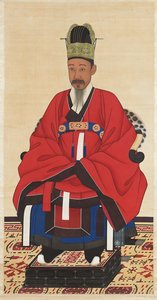
1904–1989, Pietų Korėja
Yi Eungro
**ankstyvasis gyvenimas ir mokslas** lee ungno, taip pat žinomas kaip yi eungro, buvo korejiečių kilmės prancūziškas tapystorius ir grafikos meistras, gimęs 1904 metais Seule, Pietų Koreijoje. Jo ankstyvoji jaunyste pažymėjo trumpas laikotarpis mokantis Hongseong botong hakyo (홍성보통학교, 홍城초등학교, 洪城普通學校) mokykloje, po kurios nuo 1920 metų jis pašvė mėginiu tapybai mokantis yeomjae song tae-hoe. **meninė karjera korejiečių ir japonų žemėse** Lee ungno meninė karjera tikrai prasidėjo persikeliant į Seulą 1922 metais, kai jis tapo mokinio pas garsiąjį kaligrafą, tapybininką ir fotografą haegang kim gyu-jin. Pagrindiniu šiuo metu jis mokėsi tapyti „keturiąs valandas“ (the four gentlemen) „haegang stiliaus“ technika.
Kiti Yi Eungro darbai
 Untitled1969
 I Ching 64 Hexagrams Sequence(澤風大過)1974
 People1979
 The travels of Marco Polo Series1980
Straipsniai apie Composition
 Mastering the Void: The Technical Depth and Historical Resonance of Ink Wash PaintingExplore the technical mastery of ink wash painting and Zen aesthetics. Discover the profound depth of Sumi-e tradition now.
 Beyond the Subject: A Beginner's Guide to Feeling and Understanding Abstract ArtUnlock the emotional depths of abstract art with our expert guide. From Kandinsky's vibrant colors to geometric purity, learn to feel and u…
 Mastering Formal Composition: An Expert Guide to Structured & Balanced Artworks for Interior ProfessionalsMaster formal composition with our expert guide for interior designers. Learn to utilize balance, symmetry, and geometric harmony through h…