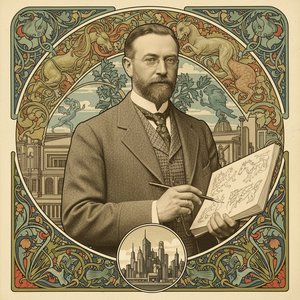
The Hand and the Brush
John Medina lived through a time of shifting portraits and quiet studios. Born in 1721, he was the grandson of Sir John B. Medina, a man who practiced his craft in Edinburgh and London. Much of his time was spent in the meticulous labor of copying and cleaning existing pictures. He worked with the steady, repetitive motions required to restore what was already there, finding his place within a lineage of painters.
His life was marked by the practicalities of the trade. He was a Scottish portrait painter who understood the weight of a brush and the necessity of maintaining the works of others. By the time he passed away in 1796, he had spent decades observing the faces of his era, often through the lens of the work left behind by those before him.
A Life in Portraits
The work of Medina was tied to the people of Scotland. As a portrait painter, he captured the likenesses of his contemporaries, focusing on the specific details of their presence. His career was defined by this steady output of likenesses, a task that required patience and a keen eye for the subtle shifts in a sitter's expression. He moved through the social circles of his time, leaving behind a record of the faces that shaped his world.
Klausimai ir atsakymai
Kuriame istoriniame laikotarpyje kūrė John Medina?
John Medina kūrė Early Modern laikotarpiu. Šis laikotarpis leidžia įvertinti kūrybinę veiklą istoriniame kontekste.
Ar yra John Medina kūrybos istorijos chronologija?
John Medina karjera puslapyje Karieros istorija atskleidžiama etapais: tai horizontali kūrybos darbų laiko linija, suskirstyta į karjeros periodų skyrius.
Ar galiu ieškoti John Medina kūrinių pagal raktažodžius?
Norėdami rasti John Medina kūrybos darbus konkrečia tema, naudokite šio paveikslautojo Raktažodžiais puslapį, kuriame kūriniai sugrupuoti pagal raktažodžius.
Kurių spalvų John Medina naudojo dažniausiai?
John Medina Paletės genomas – tai puslapis, kuriame pateikiamas kūrybos efortų spalvų profilis.