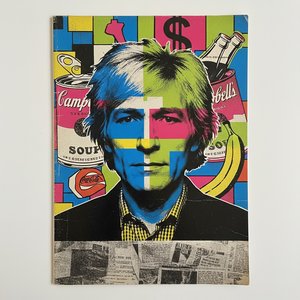
Acrylic On Canvas.

§ 1Catalogusgegevens


Dit kunstwerk is auteursrechtelijk beschermd
De kunstwerken die op deze pagina worden weergegeven, zijn beschermd door de auteursrechtwetgeving, wat betekent dat het ons wettelijk niet is toegestaan om identieke reproducties te maken of te verkopen. Deze bescherming wordt gehandhaafd onder internationale overeenkomsten zoals de Conventie van Bern en door nationale wetgeving, waaronder de bepalingen van de Amerikaanse auteurswet - Titel 17. Alle rechten voorbehouden. Reproduceren of distribueren van afbeeldingen is niet toegestaan zonder uitdrukkelijke schriftelijke toestemming van WahooArt.com en de rechthebbenden.
Als een respectvol en legaal alternatief bieden wij op maat gemaakte, handgeschilderde kunstwerken aan die geïnspireerd zijn op het origineel. Onze bekwame en professionele kunstenaars bestuderen zorgvuldig de stijl, sfeer en artistieke essentie van het origineel om een nieuw, uniek werk te creëren dat dezelfde emotie oproept – terwijl het een op zichzelf staande, originele creatie blijft.
Deze methode voldoet volledig aan de auteursrechtwetgeving, omdat het niet gaat om het kopiëren of dupliceren van het beschermde kunstwerk. In plaats daarvan is er sprake van een creatieve herinterpretatie — een nieuw schilderij dat door het origineel wordt geïnspireerd, maar er niet identiek aan is.
 Lees meer over
§ 2Abstract
Beschrijving verzamelobject
Biografie kunstenaar
Ontdek Andy Warhol's iconische Pop Art (1928-1987) – silkscreens van Marilyn, Campbell’s Soup Cans & celebrity cultuur. Een kunstenaar die de kunstgeschiedenis opnieuw vorm gaf!
§ 3Toelichting
A Moment Frozen in Pop: Andy Warhol’s Iconic Time Magazine Cover
Andy Warhol's reimagining of Michael Jackson for TIME magazine in 1983 isn’t merely a portrait; it’s a crystallized explosion of celebrity, pop culture, and the very essence of Warhol’s artistic philosophy. This striking image transcends its origins as a news cover, evolving into a potent symbol of an era – the late 1980s, a time of unprecedented media saturation and the rise of the superstar. The painting captures Jackson in a moment of serene confidence, his signature smile radiating an almost unsettling stillness. The deliberate simplicity of the composition—a close-up of his face against a vibrant, pulsating background of yellow and red – immediately draws the viewer in, demanding attention and prompting reflection on the nature of fame and representation.
Pop Art’s Bold Embrace: Technique and Style
Warhol's signature technique—the silkscreen print—is crucial to understanding this work. He employed a process borrowed from commercial printing, applying ink through a stencil onto the canvas. This method, while seemingly straightforward, lends an incredible level of precision and flatness to the image, characteristic of Pop Art. The bold, saturated colors are not meant to mimic reality but rather to evoke immediate recognition and emotional response. Notice how the yellow and red aren’t blended; they exist as distinct blocks, creating a dynamic tension within the composition. The meticulous layering of color, achieved through multiple screens, is a testament to Warhol's dedication to his craft – a dedication that transformed everyday imagery into works of art.
Echoes of History: Magazine Culture and Celebrity
To appreciate this piece fully, it’s essential to consider the context of 1983. TIME magazine was already a powerful force in shaping public opinion, and featuring Michael Jackson on its cover represented a monumental cultural event. Jackson's unprecedented popularity—fueled by his music, dance moves, and global appeal—made him an irresistible subject for Warhol. The painting cleverly mirrors the glossy, highly-produced aesthetic of contemporary magazines, utilizing similar color palettes and compositional strategies. It’s a deliberate engagement with the visual language of mass media, questioning its influence on our perception of reality and celebrity.
Symbolism and the Cult of Personality
The image is rich in symbolic meaning. Michael Jackson's smile, often interpreted as enigmatic or even slightly unsettling, reflects the complex nature of fame – a carefully constructed persona presented to the world. The bright colors contribute to an almost overwhelming sense of spectacle, mirroring the relentless media attention surrounding Jackson at the time. Furthermore, the painting can be seen as a commentary on the commodification of celebrity; Warhol reduces Jackson’s image to its most recognizable elements—his face and smile—transforming him into a mass-produced icon. The inclusion of the two indistinct figures in the background subtly suggests the audience – the viewers consuming this spectacle.
AllPaintingsStore offers meticulously crafted, hand-painted reproductions of Andy Warhol’s “Time Magazine Cover,” allowing you to bring this iconic piece into your home or office. Each reproduction captures the vibrancy and energy of the original while retaining the unique qualities of Warhol's distinctive style. Explore our collection today and own a piece of pop art history.
Veelgestelde vragen
Hoe is "Time Magazine Cover" historisch gezien te plaatsen?
Historisch gezien is "Time Magazine Cover" een Pop Art werk uit het bredere Contemporary tijdperk.
Welk kleurenpalet wordt gebruikt in "Time Magazine Cover"?
"Time Magazine Cover" door Andy Warhol maakt gebruik van een Earthy kleurenpalet. Dit palet vat het algemene kleurkarakter van het werk samen.
Hoe brengt "Time Magazine Cover" licht en donker in evenwicht?
"Time Magazine Cover" heeft een algehele helderheid van bright en een luminantie van Gentle Luminance.



 Schakel over naar print


 Voor kunstwerken of reproducties die aan één zijde groter zijn dan 105 cm (ongeveer 41 inch), wordt de lijst als een losse set verzonden. Deze methode garandeert een veilige levering en voorkomt schade tijdens het transport.