


 Voorvertoning

 Verstuur
 Delen
 Details bekijken
 Gids


 Download
 Vergelijkbare items
 Röntgenonderzoek
 Diavoorstelling
 Vraag & antwoord
 Statistieken
Sir Thomas Gresham

- 90.0 x 76.0 cm


 Lees meer
Giclée / Kunstafdrukken
Giclée- of canvasafdruk van museumkwaliteit met een snelle productie en flexibele afwerkingsmogelijkheden. ( Bestel handgeschilderde reproductie Schakel over naar digitale afbeeldingen)
P118B €10
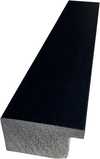
P118H €10
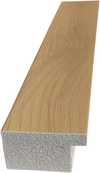
P118W €10
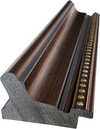
P438Z €10
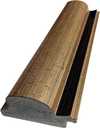
P508JH €12
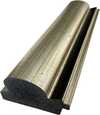
P508YH €12
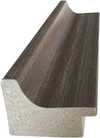
P805H €10
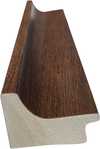
P805Z €10
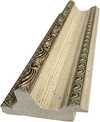
P919BZ €10
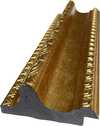
P919G €10
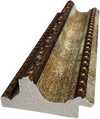
P919XJ €10
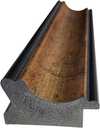
P959ZH €10
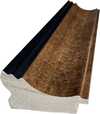
P968JZ €12
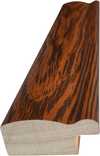
W106C €8
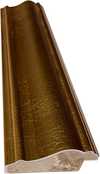
W218G €10
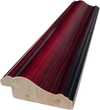
W218JH €8
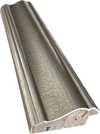
W218Y €10
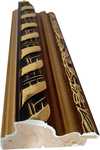
W307PJ €10
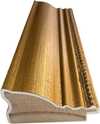
W316G €10
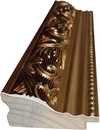
W316PJ €8
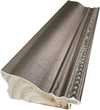
W316Y €10
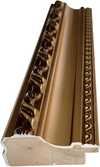
W398PJ €8
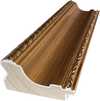
W4111J €10
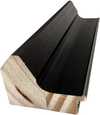
W500HY €15
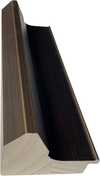
W500JH €15
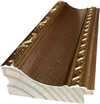
W692G €12
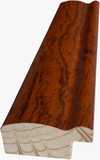
W849H €8
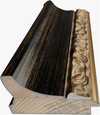
W940BG €15
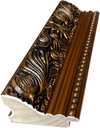
W953PJ €8
Kies uit onze vooraf ingestelde maten die overeenkomen met de originele verhoudingen van het kunstwerk.

Voer de gewenste breedte en hoogte in, passend bij uw lijst of muur. Een afdruk kan alleen worden ingekort en nooit groter worden gemaakt dan het origineel; een formaat met andere verhoudingen zal daarom een deel van de afbeelding verliezen. Wij sturen u een digitaal mockup ter goedkeuring voordat we tot drukwerk overgaan. De afbeelding op deze pagina toont niet de werkelijke uitsnede — dit is alleen te zien op het mockup.
Wereldwijde levering () binnen 2 weken in plaats van de standaard 4/5 weken. (19 november)

Gratis wereldwijde expressverzending

Hoogwaardig linnen canvas

Volledige verzendverzekering

Garantie op terugbetaling van invoerrechten

Garantie op exacte kleurweergave

Retourbeleid van 100 dagen (alleen bij defecten)

100% Geld-terug-garantie

Korting bij meerdere afnames
 De optie voor glas is alleen beschikbaar bij een formaat kleiner dan 110 cm.

Sir Thomas Gresham
Giclée / Kunstafdrukken
Afmetingen reproductie
-


Eindtotaal
€ 58
Identification of the Portrait of Sir Thomas Gresham
In this portrait, Anthonis Mor Van Dashorst captures the steady presence of Sir Thomas Gresham. The subject sits before us, a man whose influence once shaped the financial landscape of Europe. As the leading English merchant in Antwerp and the financial agent for the English king in the Low Countries, Gresham carries a weight of responsibility in his gaze. He is the man who founded the Royal Exchange and established Gresham College in London, leaving a legacy etched into the very foundations of commerce and education.
The artist, Anthonis Mor Van Dashorst, brings a meticulous eye to this likeness. Born in Utrecht, Netherlands, Mor possesses a way of rendering the individual that feels immediate and alive. This specific work dates to 1560, a moment when the sitter's social standing and professional gravity are palpable. The portrait does more than record a face; it presents a man of significant purpose, frozen in a moment of quiet, commanding authority.
Composition and Visual Details
The subject sits firmly within a chair that dominates the lower portion of the frame, anchoring the entire scene. He is dressed in a black suit, his presence marked by a stern expression and the grooming of a beard and mustache. A collar frames his face, catching the light against the dark fabric of his attire. He holds a posture of quiet authority, his gaze fixed and unyielding. The weight of his position is felt in the stillness of his seated form.
In the space surrounding him, life unfolds in layers. One figure stands directly behind him in the foreground, adding a sense of depth to the immediate circle of the subject. Further back and to the right, a second person occupies the scene, partially distanced from the central focus. This arrangement creates a structured, tiered environment that draws the eye through the social hierarchy of the room. The background reveals a brick wall and an open window, suggesting a connection to the world outside the immediate interior.
Materials and Physical Characteristics
The physical presence of this portrait is defined by its substantial scale, measuring 90 x 76 cm. Originally rendered as an oil on panel, the work carries the weight and texture of its primary medium. The artist’s brushwork captures the subtle shifts in light across the subject's features, a task made possible by the careful application of oil pigments. This specific piece is identified by the object number SK-A-3119.
Time has left its mark on the very substance of the work. While it began its life on a rigid wooden support, the painting has undergone a significant transformation. The original oil on panel was transferred to canvas, a process that alters the way the surface interacts with light and shadow. This transition from wood to fabric changes the tactile quality of the work, lending a different character to the way the colors settle upon the grain.
History and Provenance of the Artwork
The journey of this portrait through the centuries carries it through the hands of emperors and across shifting political borders. At one point in its long history, the painting resides within the private collection of Catherine the Great of Russia. It remains in these imperial circles until the political tides of the twentieth century shift the work's destiny once more. The Soviet Union holds the painting, eventually deciding to sell it to the Rijksmuseum in 1931 to secure foreign currency.
The physical life of the work has seen significant changes to ensure its survival. In 1872, the portrait undergoes a major transformation when the painting of Anne Fernely is transferred from its original panel onto canvas. This restoration marks a pivotal moment in how the work presents itself to the eye. The movement from wood to fabric alters the very substance of the piece, preserving the likeness of the merchant for future generations to witness.
Related Works by Anthonis Mor Van Dashorst
The visual narrative of this portrait finds its companion in the likeness of Anne Fernely, the wife of Gresham. As a pendant to this work, her portrait completes a shared history, capturing the presence of the woman who stood alongside the merchant. This connection links the two figures through a shared space and a shared life, creating a dual presence that speaks to their status and their union.
Mor’s brush also moved through the halls of power, capturing the regal bearing of Mary Tudor, Queen of England, in 1554. His ability to navigate the requirements of the court is evident in his service as a painter to the Spanish king. This high-level patronage allowed him to observe the nuances of nobility and the weight of authority that defined the sixteenth century.
In 1560, the artist turned his attention to Anne Fernel, the Wife of Sir Thomas Gresham. This portrait offers another window into the social fabric of the era, focusing on the character and dignity of the sitter. Through these various commissions, the artist’s hand moves between the private intimacy of a marriage and the public grandeur of royal courts.
Where to See the Artwork Today
The presence of Sir Thomas Gresham remains a constant within the halls of the Rijksmuseum in Amsterdam. Visitors find him held within this prestigious collection, where he resides as part of the museum's permanent holdings. He is identified by the object number SK-A-3119, a mark that traces his place within the museum's vast archives. To stand before him is to encounter a figure preserved through centuries of careful stewardship.
This portrait is kept in the Rijksmuseum, Amsterdam, where the quiet dignity of the subject is maintained for those who seek it. The painting exists as a physical part of the museum's curated environment, allowing the gaze of the viewer to meet the stern expression of the merchant. He remains a fixture of the Dutch institution, a silent inhabitant of the galleries in Amsterdam.
Veelgestelde vragen
Kan ik "Sir Thomas Gresham" bekijken als een diavoorstelling op volledig scherm?
De diaporama van "Sir Thomas Gresham" is te bekijken op de Diavoorstelling-pagina van het kunstwerk.
Welke techniek is gebruikt voor "Sir Thomas Gresham" en wanneer is het gemaakt?
"Sir Thomas Gresham" werd gemaakt in 1560, in Oil On Panel.
Welke stemming en emotie komen samen in "Sir Thomas Gresham"?
"Sir Thomas Gresham" door Anthonis Mor roept een Reflective gevoel op binnen een algeheel Elegant stemmigheid.
Vergelijkbare kunstwerken


Biografie kunstenaar
Anthonis Mor van Dashorst: De Schilder van Koninklijke Waardigheid
Anthonis Mor van Dashorst (1517-1577) staat als een hoeksteen van de Nederlandse Renaissance-portretkunst, waarbij hij het minutieuze realisme en de symbolische diepgang belichaamt die zo kenmerkend zijn voor zijn tijdperk. Geboren in Utrecht, Nederland, kwam hij voort uit een familie die diep geworteld was in de artistieke traditie – zijn vader was een beeldhouwer, waarmee een bloedlijn werd gevestigd die volledig gewijd was aan de visuele representatie. Hoewel de biografische details over zijn leven enigszins schaars blijven, spreekt het enorme oeuvre van Mor boekdelen over zijn talent en zijn onwankelbare toewijding aan het vastleggen van de essentie van zijn onderwerpen. Hij verwierf al snel grote bekendheid door zijn vermogen om de adel met een ongeëvenaarde nauwkeurigheid af te beelden, wat hem opdrachten opleverde van invloedrijke figuren in heel Europa. Zijn vormende jaren buiten zijn opvoeding in Utrecht zijn niet met zekerheid vastgesteld, maar het is bekend dat hij in Antwerpen onder de meester Pieter Bruegel de Oude studeerde. Daar absorbeerde hij Bruegels meesterlijke observatie van de menselijke natuur en het landschap, invloeden die diep doordrongen in de artistieke visie van Mor. Zijn verblijf in Antwerpen bleek cruciaal voor zijn artistieke rijping. Hij verfijnde zijn vaardigheden naast tijdgenoten zoals Quentin Massys en Hendrik Golse, en doopte zich in het levendige artistieke milieu van de Vlaamse Republiek. Deze blootstelling stimuleerde een verfijnd begrip van perspectief en chiaroscuro—technieken die hij met meesterschap hanteerde om zijn portretten te verlichten met een dramatisch spel van licht en schaduw.De Regeerperiode van Mary Tudor: Een Meesterwerk van de Noordelijke Renaissance
De roem van Mor steeg spectaculair na de voltooiing van zijn portret van Mary Tudor, koningin van Engeland (1554). Dit monumentale canvas vormt het hoogtepunt van Mor's artistieke kunnen. Met een bijna obsessieve aandacht voor detail vastgelegd, vangt het werk de koninklijke houding en de innerlijke beheersing van Mary—een getuigenis van Mor's vermogen om psychologische nuance te combineren met fysieke gelijkenis. De compositie is uiterst evenwichtig, waarbij gebruik wordt gemaakt van een piramidale structuur en subtiele plooien in de draperie om de status en waardigheid van Mary te benadrukken. Bovendien creëert het gebruik van chiaroscuro een betoverend samenspel van licht en donker, dat het gezicht van Mary accentueert en een aura van plechtige grandeur uitstraalt. Dit portret bezegelde de reputatie van Mor als een van de belangrijkste portrettisten van zijn tijd en blijft een gevierd voorbeeld van de kunst uit de Noordelijke Renaissance. Mor profiteerde sterk van koninklijk mecenaat en ontving opdrachten van vorsten door heel Europa, waaronder Filips II van Spanje. Deze prestigieuze opdrachten boden hem de ruimte om ambitieuze projecten te verkennen en zijn artistieke stijl te verfijnen, wat zijn nalatenschap als hofschilder verder versterkte. Naast het portret van Mary Tudor nam Mor talloze opdrachten aan voor prominente staatslieden, diplomaten en aristocraten. Zijn kenmerkende stijl—gekenmerkt door minutieus realisme, meesterlijk perspectief en expressieve lichtwerking—werd direct herkenbaar. Hij gaf er consequent de voorkeur aan om niet enkel het uiterlijk, maar ook het karakter en de emotie over te brengen, waardoor hij zijn portretten verhief van loutere gelijkenissen tot diepgaande verklaringen over de menselijke waardigheid.Invloed en Nalatenschap
De invloed van Mor reikte veel verder dan zijn directe tijdgenoten. Zijn nauwgezette benadering van de portretkunst schiep een precedent voor latere generaties kunstenaars, die hij inspireerde om te streven naar grotere nauwkeurigheid en psychologisch inzicht. Hij was een voorvechter van de humanistische idealen die tijdens de Renaissance heersten, wat zijn onwankelbare geloof weerspiegelde in de kracht van de kunst om de menselijke ervaring te verlichten. Vandaag de dag blijven de schilderijen van Mor van Dashorst een wereldwijd publiek fascineren; zij dienen als blijvende herinneringen aan de artistieke genialiteit die werd bereikt tijdens de Nederlandse Gouden Eeuw—een periode gedefinieerd door innovatie, ambitie en een diepgaande waardering voor schoonheid.
Anthonis Mor
1519 - 1575 , Nederland
Belangrijkste feiten
- Artistic Movement Or Style: Renaissance-portretkunst
- Artists Or Movements Influenced By This Artist: ['Barok']
- Artists Who Influenced This Artist:
- Jan van Eyck
- Rogier van der Weyden
- Date Of Birth: 1517
- Date Of Death: 1577
- Full Name: Anthonis Mor van Dashorst
- Nationality: Nederlands
- Notable Artworks:
- De dwerg van Kardinaal Granvelle
- Koningin Mary Tudor van Engeland
- Margaretha, hertogin van Parma
- Place Of Birth: Utrecht, Nederland
Gerelateerde artikelen

Master of Elegance: The Top 25 Greatest Artworks by Sir Anthony van Dyck
Explore 25 Baroque masterpieces by Sir Anthony van Dyck. Discover timeless elegance and fine art at AllPaintingsStore.com.

25 Must-See Masterpieces at the Rijksmuseum, Amsterdam
Embark on a journey through Dutch history. From Rembrandt’s dramatic Night Watch to Vermeer’s luminous light, explore the top 25 masterpieces of the Rijksmuseum, Amsterdam. Find inspiration with our museum-quality art reproductions. Discover all masterpieces on AllPaintingsStore.com

The Weight of Shadow: Examining the Depth of Brown Pigments and Chiaroscuro in Classical Painting
Explore the technical mastery of earth pigments and chiaroscuro in classical art. Discover the depth of shadow and texture today.