


 Voorvertoning
 Verstuur
 Delen
Delen
 Details bekijken

 Download
 Vergelijkbare items
 Röntgenonderzoek
 Diavoorstelling
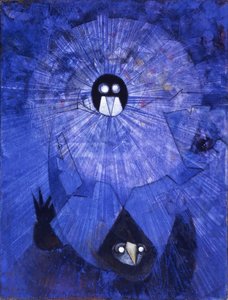
Decoration Empire
 1939
1939 29.0 x 35.0 cm
 Lees meer
Giclée / Kunstafdrukken
Giclée- of canvasafdruk van museumkwaliteit met een snelle productie en flexibele afwerkingsmogelijkheden. ( Bestel handgeschilderde reproductie Koop afbeelding)




































Kies uit onze vooraf ingestelde maten die overeenkomen met de originele verhoudingen van het kunstwerk.

U kunt uw eigen afmetingen opgeven om in een specifieke lijst of ruimte te passen. Als de door u gekozen maat niet overeenkomt met de proporties van het originele kunstwerk, zullen wij de afbeelding bijsnijden of uitbreiden met een gespiegelde of effen rand. Een digitaal mockup wordt ter goedkeuring naar u verzonden voordat de productie begint.
Houd er rekening mee dat de preview op het scherm de werkelijke bijsneding of uitbreiding niet weergeeft. Alleen de mockup toont de uiteindelijke compositie nauwkeurig.
Hoewel aangepaste maten beschikbaar zijn, raden wij aan een afmeting uit de vooraf bepaalde lijst te kiezen om de originele proporties te behouden.
Wereldwijde levering () binnen 2 weken in plaats van de standaard 4/5 weken. (20 augustus)

Gratis wereldwijde expressverzending

Hoogwaardig linnen canvas

Volledige verzendverzekering

Garantie op terugbetaling van invoerrechten

Garantie op exacte kleurweergave

Retourbeleid van 60 dagen (alleen bij defecten)

100% Geld-terug-garantie

Korting bij meerdere afnames
 De optie voor glas is alleen beschikbaar bij een formaat kleiner dan 110 cm.

Decoration Empire
Giclée / Kunstafdrukken
Afmetingen reproductie
-


Eindtotaal
$ 65
Vergelijkbare kunstwerken


Biografie van de kunstenaar
The Architect of the Serigraph
In the vibrant, struggling landscape of Depression-era New York, a quiet revolution was unfolding within the studios of the Federal Works Progress Administration. At the heart of this movement stood Anthony Velonis, an artist whose name became synonymous with the elevation of a commercial process into a profound fine art form. Born in 1911 to a Greek immigrant family, Velonis’s early years were shaped by the grit and texture of New York City tenements. His creative lineage was rooted in the sacred; he drew deep inspiration from his grandfather, an ecclesiastical painter from the hills of Greece who practiced the ancient, luminous traditions of Byzantine style. This early exposure to spiritual iconography and meticulous craftsmanship provided the foundation for a career dedicated to exploring how light, color, and layer could transform a simple surface into something transcendent.
Velonis’s journey was one of remarkable technical curiosity and resilience. After receiving a scholarship to the NYU College of Fine Arts, he navigated an era of profound economic uncertainty, yet it was within this very hardship that his greatest contribution emerged. While working in his brother's sign shop, Velonis began to investigate the mechanics of silkscreen printing. He did not merely see a method for mass production; he saw a medium capable of immense depth and nuance. It was during this period of experimentation that he helped pioneer the term "serigraph" to distinguish this fine art application from its commercial origins—a distinction he humbly declined to claim publicly, preferring to let the brilliance of the work speak for itself.
Mastery of Material and Light
What set Velonis apart from his contemporaries was an insatiable desire to push the boundaries of what a print could be. He refused to be confined by the traditional limits of paper, mastering complex techniques to transfer ink onto a diverse array of surfaces including glass, plastics, and metal. This expansion of the medium allowed him to play with translucency and reflection, creating works that interacted dynamically with the environment around them. His mastery of the silkscreen process enabled him to layer colors with a precision that captured the atmospheric essence of urban life, turning the industrial grit of the city into poetic compositions.
His body of work often reflects a profound connection to the American landscape and the rhythmic pulse of the cityscape. Through his prints, one can witness:
- The Urban Pulse: Capturing the dramatic interplay of light and shadow within New York’s canyons of steel and stone.
- Technical Innovation: The seamless integration of varied textures and unexpected substrates that challenged the definition of printmaking.
- Graphic Clarity: A sophisticated use of color blocking and line work that bridged the gap between poster design and high art.
A Lasting Legacy in Modern Art
The historical significance of Anthony Velonis extends far beyond the borders of the WPA era. By legitimizing the silkscreen as a medium for serious artistic expression, he laid the essential groundwork for the Pop Art movement that would follow decades later. The very techniques he refined—the bold use of color, the layering of imagery, and the embrace of mechanical reproduction—became the primary language for icons such as Andy Warhol and Robert Rauschenberg. Without Velonis’s early advocacy and technical breakthroughs, the visual landscape of the mid-to-late 20th century might have lacked its most defining characteristic: the seamless blend of high culture and popular print.
Today, Velonis is remembered not just as a designer or a technician, but as a visionary who saw beauty in the industrial and potential in the ephemeral. His life remains a testament to the power of artistic persistence, proving that even in the shadow of economic collapse, the human spirit can find new ways to illuminate the world through color, ink, and an unwavering commitment to innovation.

anthony velonis
1911 - 1997
Belangrijkste feiten
- Artistic Movement Or Style: Mod genre painting
- Artists Or Movements Influenced By This Artist:
- Robert Rauschenberg
- Andy Warhol
- Artists Who Influenced This Artist: ['Byzantine painters']
- Date Of Birth: October 23, 1911
- Date Of Death: October 29, 1997
- Full Name: Anthony Velonis
- Nationality: American
- Notable Artworks:
- Man Canyon
- Decoration Empire
- Place Of Birth: New York City, USA


