

1880. Acrylic On Canvas.

§ 1Catalogusgegevens


§ 2Abstract
Beschrijving verzamelobject
Discover "The Willow, the Roses & Waterlilies at Giverny" by Blanche Hoschedé Monet. A stunning Impressionist landscape showcasing Monet's iconic garden. Explore art history and acquire a timeless masterpiece.
 Lees meer
Biografie kunstenaar
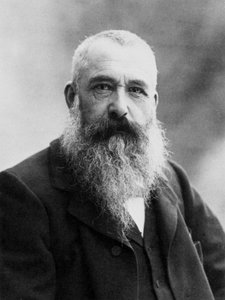
Ontdek de wereld van Claude Monet, de impressionistische meester die beroemd werd door het vastleggen van vluchtig licht en kleur in iconische landschappen zoals Waterlelies & Hooibergen.
§ 3Toelichting
Blanche Hoschede: A Portrait Steeped in Impressionist Light
Claude Monet’s “Blanche Hoschede,” painted in 1880, stands as a quintessential example of Impressionism—a movement that revolutionized painting by prioritizing fleeting moments of light and color over meticulous detail. More than just a likeness of Blanche Hoschedé, Monet's stepdaughter and daughter-in-law, the portrait embodies the spirit of Giverny, Monet’s idyllic garden where he cultivated his artistic vision alongside Alice Hoschedé. This intimate depiction captures not only Blanche’s physical appearance but also her serene gaze and subtle smile—expressions that resonate with a quiet dignity reflecting the harmonious beauty of their surroundings.Style and Technique: Embracing Fleeting Impression
Monet's signature Impressionist style is immediately apparent in “Blanche Hoschede.” Bold, expressive brushstrokes dominate the canvas, conveying movement and capturing the ephemeral qualities of light filtering through foliage. Unlike academic painting’s pursuit of precise realism, Monet prioritized conveying atmosphere—the feeling of a particular place and time—rather than photographic accuracy. The artist skillfully blended pigments wet-on-wet, layering colors to create luminous textures that shimmer with reflected sunlight. Notice how Monet uses delicate shades of green and lavender to depict the garden backdrop, subtly enhancing Blanche’s complexion and creating an overall sense of tranquility.The Garden Setting: Symbolism of Peace and Reflection
The background landscape—featuring two fences—is crucial to understanding the painting's symbolic significance. These fences represent boundaries, both physical and emotional, yet they also serve as framing devices that draw the viewer’s eye inward toward Blanche Hoschede herself. The garden itself symbolizes serenity, contemplation, and connection with nature—themes central to Monet’s artistic philosophy and his personal life with Alice Hoschedé. It reflects a desire for simplicity and beauty, mirroring Blanche's calm demeanor and conveying an unspoken sense of contentment.Historical Context: Impressionism at Its Zenith
“Blanche Hoschede” was created during the height of Impressionism—a period marked by experimentation and rebellion against artistic conventions. Artists like Monet rejected traditional techniques and subject matter, opting instead for landscapes and portraits that captured everyday life and subjective experience. The painting reflects the broader cultural fascination with capturing fleeting impressions—the sensory experiences of a particular moment—rather than attempting to represent reality objectively. Its placement within the Musée Marmottan Monet in Paris underscores its importance as one of Monet’s most celebrated works, alongside other iconic landscapes and portraits from his prolific career.A Timeless Masterpiece: Reproduction Quality & Artistic Inspiration
Hand-painted reproductions of “Blanche Hoschede” offer a remarkable opportunity to experience Monet's artistic genius firsthand. Available on AllPaintingsStore.com, these high-quality prints capture the painting’s luminous colors and textural nuances—allowing admirers to bring a piece of Impressionist history into their homes. Consider how Blanche Hoschede’s gaze embodies the quiet grace and contemplative spirit that characterize Monet’s oeuvre—a testament to his ability to transform ordinary subjects into extraordinary expressions of beauty and emotion. Explore more Monet reproductions at AllPaintingsStore.com today!Veelgestelde vragen
Hoe verbindt "Blanche Hoschede" door Claude Monet Impressionism met het geboorteland van de kunstenaar?
"Blanche Hoschede" werd gecreëerd door Claude Monet, geboren in Frankrijk, binnen de Impressionism-stroming. De herkomst van de kunstenaar verbindt het werk met Impressionism, zoals beoefend door kunstenaars uit Frankrijk.
In welke ruimte wordt het tonen van "Blanche Hoschede" aanbevolen, gezien het kleurenpalet?
De Neutrals kleuren van "Blanche Hoschede" door Claude Monet passen perfect bij de aanbevolen ruimte: een Living Room.
In welk jaar werd "Blanche Hoschede" door Claude Monet gemaakt?
"Blanche Hoschede" door Claude Monet werd gecreëerd in 1880.


 Schakel over naar print


 Voor kunstwerken of reproducties die aan één zijde groter zijn dan 105 cm (ongeveer 41 inch), wordt de lijst als een losse set verzonden. Deze methode garandeert een veilige levering en voorkomt schade tijdens het transport.


