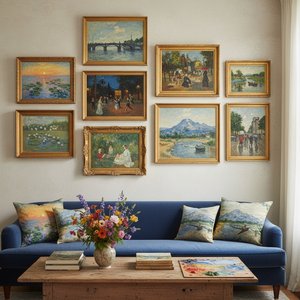
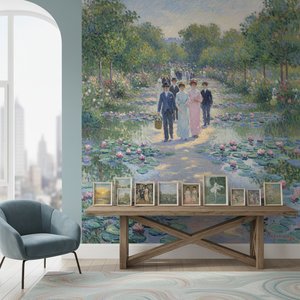
1873. Olieverf op canvas. Musée Marmottan Monet.

§ 1Catalogusgegevens


§ 2Abstract
Beschrijving verzamelobject
Een iconische meesterwerk van Impressionisme: Claude Monet's 'Impression du matin' vangt de serene schoonheid van een zonsondergangshaven, gevuld met zachte gloed en licht. Een tijdloze klassieker voor kunstcollecties.
 Lees meer
Biografie kunstenaar
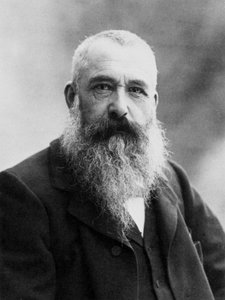
Ontdek de wereld van Claude Monet, de impressionistische meester die beroemd werd door het vastleggen van vluchtig licht en kleur in iconische landschappen zoals Waterlelies & Hooibergen.
§ 3Toelichting
Impression, Sunrise: A Dawn of Artistic Revolution
Claude Monet’s “Impression, Sunrise” isn't merely a depiction of a harbor at dawn; it’s a pivotal moment in art history—the genesis of Impressionism itself. Painted in 1873, this canvas captures the ethereal beauty of Le Havre’s port as the first rays of sunlight pierce through the misty haze, initiating a radical shift away from academic conventions and toward a new aesthetic sensibility.
- Subject Matter: Monet meticulously portrays a tranquil harbor scene populated by fishing boats and docks. The composition prioritizes horizontal bands—the expansive sky dominating the upper portion and the calm water stretching across the lower half—creating an atmosphere of serenity and balance.
- Style & Technique: Impressionism’s hallmark is visible brushwork, prioritizing the accurate representation of light rather than precise detail. Monet employs loose, expressive strokes combined with thick impasto for textural richness and subtle blending to convey movement and luminosity. The technique deliberately eschews meticulous realism in favor of capturing fleeting atmospheric effects.
- Color Palette & Emotional Impact: Dominated by cool blues and greens, the palette reflects the tranquil mood of sunrise. Contrasting warm hues—primarily orange and red emanating from the distant sun—inject vibrancy into the scene and draw the eye upward. This interplay of colors evokes feelings of contemplation and wonder, mirroring Monet’s own fascination with capturing the ephemeral beauty of nature.
- Historical Context: “Impression, Sunrise” debuted at the inaugural Impressionist Exhibition in Paris in April 1874, sparking considerable controversy among critics who deemed it unfinished and lacking artistic merit. However, this audacious departure from established norms garnered support from fellow artists like Renoir and Degas, establishing Impressionism as a distinct movement that would profoundly influence subsequent generations of painters.
- Symbolism: The painting’s symbolism extends beyond its visual depiction of dawn; it embodies the spirit of innovation and experimentation—a rejection of traditional artistic dogma in favor of embracing spontaneity and sensory experience. Monet's intention was to convey not just what he saw, but how he *felt* witnessing this transformative moment in time.
The Musée Marmottan Monet houses a remarkable collection of Monet’s paintings, including “Impression, Sunrise,” offering visitors an unparalleled opportunity to immerse themselves in the artistic legacy of this visionary artist.
Exploring Light and Atmosphere
Monet's revolutionary approach to painting stemmed from his unwavering belief in *plein air*—working outdoors directly from nature. Influenced by Eugène Boudin, Monet embraced this practice as a means of capturing the subtleties of light and color that were unattainable within the confines of the studio. This commitment to observation is evident throughout his oeuvre, particularly in works like “Impression, Sunrise,” where he meticulously renders the atmospheric haze and shimmering reflections on the water’s surface.
Consider how Monet skillfully utilizes impasto—thickly applied paint—to create textural depth and enhance visual impact. The visible brushstrokes contribute to a dynamic interplay of light and shadow, conveying movement and capturing the fleeting beauty of dawn. This technique distinguishes Monet's work from more polished academic styles of his time.
A Reflection on Modernity
"Impression, Sunrise" represents a pivotal moment in artistic history—a declaration of independence from convention and an embrace of sensory experience. Louis Leroy’s scathing critique of the painting—characterized by its perceived lack of finish—underscores the significance of this audacious gesture. Monet's decision to title the work “Impression” rather than “Sunrise,” as he himself recounted, encapsulates his desire to challenge established artistic standards.
The painting’s influence extends beyond its aesthetic qualities; it embodies the broader spirit of modernity—a fascination with scientific observation and a willingness to abandon preconceived notions in favor of embracing new perspectives. Monet's pioneering use of *plein air* technique paved the way for subsequent artists to explore the transformative potential of working directly from nature.
The Legacy of Impressionism
“Impression, Sunrise” stands as an enduring testament to Claude Monet’s artistic genius and the revolutionary spirit of Impressionism. Its impact on art history is undeniable—inspiring countless painters to prioritize light and color over meticulous detail and establishing a new aesthetic paradigm that continues to resonate today.
Reproductions of “Impression, Sunrise” are available at AllPaintingsStore.com, allowing collectors and enthusiasts alike to experience the beauty and brilliance of Monet’s masterpiece in their own homes.
Veelgestelde vragen
In welk jaar werd "Impression du matin" door Claude Monet gemaakt?
"Impression du matin" dateert uit 1873. Deze datum plaatst het werk binnen de carrière van Claude Monet en het betreffende tijdperk.
Toont "Impression du matin" sterke licht-donkercontrasten?
"Impression du matin" door Claude Monet vertoont een Serene contrast tussen de lichte en donkere partijen.
Bij welke kunststroming behoort "Impression du matin" door Claude Monet?
"Impression du matin" is een werk uit de Impressionist Movement. De stroming geeft de artistieke traditie aan waartoe het werk behoort.


 Schakel over naar print


 Voor kunstwerken of reproducties die aan één zijde groter zijn dan 105 cm (ongeveer 41 inch), wordt de lijst als een losse set verzonden. Deze methode garandeert een veilige levering en voorkomt schade tijdens het transport.