

1918. Acrylic On Canvas, 99.0 x 120.0 cm. Kimbell Art Museum.

§ 1Catalogue data

- 99.0 x 120.0 cm


§ 2Abstract
Beschrijving verzamelobject
 Lees meer
Biografie kunstenaar
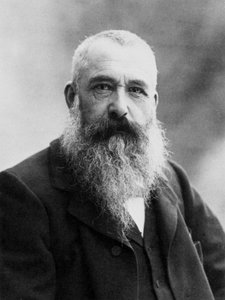
Ontdek de wereld van Claude Monet, de impressionistische meester die beroemd werd door het vastleggen van vluchtig licht en kleur in iconische landschappen zoals Waterlelies & Hooibergen.
§ 3Commentary
A Silent Lament: Monet’s ‘Weeping Willow’ – A Window into Grief and Artistic Transformation
Claude Monet's 1918 painting, “Weeping Willow,” is more than just a depiction of a solitary tree; it’s a poignant reflection on the profound anxieties of a generation grappling with the horrors of World War I. Painted during a period of immense personal upheaval for the artist – his family scattered by the war and his son facing imminent danger at the front – this work embodies a deep, almost palpable sorrow. The painting captures a moment of quiet contemplation amidst chaos, utilizing Monet’s signature style to convey an emotional landscape as complex and layered as the subject itself.
The Shadowed Palette: Style and Technique
Monet's “Weeping Willow” is a masterful example of his evolving Impressionistic technique. The colors are deliberately muted, dominated by shades of gray, blue-green, and ochre – a palette that immediately evokes a sense of melancholy and twilight. Unlike the vibrant hues often associated with Monet’s earlier works, here he employs a shadowy approach, mirroring the emotional weight of the subject matter. Notice how the branches, rendered in loose, swirling brushstrokes, seem to writhe with an almost restless energy, reflecting the turmoil within the artist himself. The reflection in the water adds another layer of complexity, blurring the boundaries between reality and memory, suggesting a state of disorientation and loss.
- Broken Brushwork: Monet’s characteristic broken brushstrokes are particularly evident here, creating an atmospheric effect that prioritizes feeling over precise representation.
- Color Harmony: The subtle shifts in color – from the cool blues of the water to the warmer browns and yellows of the tree trunk – contribute to a sense of unease and instability.
- Emphasis on Light & Shadow: As always, Monet masterfully manipulates light and shadow, using them not just to define form but also to convey mood and emotion.
A Personal Echo: Historical Context and Artistic Intent
The creation of “Weeping Willow” is inextricably linked to the tumultuous events unfolding in Europe during 1918. Monet’s personal life was profoundly affected by the war, with his household disrupted and his family scattered. The painting's genesis can be understood as a direct response to this emotional landscape – a visual articulation of grief and uncertainty. Interestingly, this period saw a shift in Monet’s artistic focus; he increasingly explored themes of mortality and loss, moving away from the bright landscapes of his earlier career. This work represents one of the few easel-scale paintings he produced after 1914, reflecting a deliberate choice to concentrate on larger, mural-sized canvases that allowed him to grapple with these weighty subjects.
Symbolism and Legacy: The Tree as Metaphor
The weeping willow itself is a potent symbol of sorrow, mourning, and remembrance. Its drooping branches evoke images of tears falling from the sky, while its association with cemeteries and graveyards further reinforces this connection to loss. Crucially, Monet’s “Weeping Willow” isn't simply a representation of a tree; it’s a conduit for expressing a deeper emotional truth. The painting’s proximity to his water garden, particularly its reflection within the pond – a key element in the development of his monumental ‘Nymphéas’ series – suggests a connection between personal grief and the broader themes of nature's cyclical rhythms and the passage of time. This work stands as a testament to Monet’s ability to transform personal tragedy into enduring artistic expression, foreshadowing the profound impact he would have on the development of modern art.
AllPaintingsStore offers exceptional, hand-painted reproductions of Claude Monet's “Weeping Willow,” allowing you to bring this evocative masterpiece into your home or office. Each reproduction is meticulously crafted by skilled artists, ensuring an authentic representation of Monet’s style and emotional depth. Explore our collection today and experience the power of this poignant work firsthand.
Veelgestelde vragen
Is "Weeping Willow" door Claude Monet een licht of een donker kunstwerk?
Over het algemeen wordt "Weeping Willow" geregistreerd als balanced. De waargenomen helderheid beschrijft hoe licht of donker het werk oogt.
Welke techniek en stijl kenmerken "Weeping Willow" door Claude Monet?
"Weeping Willow" is vervaardigd in Acrylic On Canvas, in de Impressionism-stijl.
Is "Weeping Willow" door Claude Monet een schilderij, een tekening of een prent?
In de catalogus is "Weeping Willow" door Claude Monet geclassificeerd als WallArt. Deze categorie helpt bij het vinden van vergelijkbare werken.


 Schakel over naar print


 Voor kunstwerken of reproducties die aan één zijde groter zijn dan 105 cm (ongeveer 41 inch), wordt de lijst als een losse set verzonden. Deze methode garandeert een veilige levering en voorkomt schade tijdens het transport.


