


 Voorvertoning
 Verstuur
 Delen
Delen
 Details bekijken

 Download
 Vergelijkbare items
 Röntgenonderzoek
 Diavoorstelling
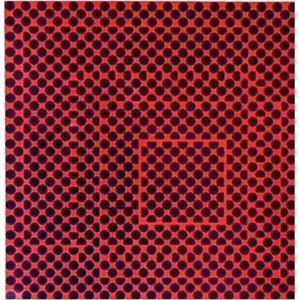
Lattice


 Lees meer
Handgemaakte olieverfreproductie
Met de hand geschilderd in olieverf op canvas in uw gewenste maat en lijst, op bestelling gemaakt door onze kunstenaars. ( Bestel print Koop afbeelding)




































Kies uit onze vooraf ingestelde maten die overeenkomen met de originele verhoudingen van het kunstwerk.

U kunt uw eigen afmetingen invoeren om in een specifieke lijst of ruimte te passen. Als de door u gekozen maat niet overeenkomt met de verhoudingen van het originele beeld, zullen we het kunstwerk bijsnijden of het schilderij uitbreiden met extra handgeschilderde elementen. Een digitale mockup wordt ter goedkeuring naar u verzonden voordat de productie begint.
Houd er rekening mee dat de preview op het scherm niet de werkelijke uitsnede of uitbreiding weergeeft. Alleen de mockup toont de uiteindelijke compositie nauwkeurig.
Hoewel aangepaste afmetingen mogelijk zijn, raden we aan een maat uit de vooraf gedefinieerde lijst te selecteren om de originele verhoudingen te behouden.
Na de bestelling zal het team van AllPaintingsStore.com per e-mail contact opnemen met de klant voor instructies en een mockup-voorbeeld sturen.
Wereldwijde levering () binnen 3 tot 4 weken in plaats van de standaard 5 weken. (22 augustus). Zonder concessies aan de kwaliteit.

Gratis wereldwijde expressverzending

Hoogwaardig linnen canvas

Volledige verzendverzekering

Garantie op terugbetaling van invoerrechten

Garantie op exacte kleurweergave

Retourbeleid van 60 dagen (alleen bij defecten)

100% Geld-terug-garantie

Korting bij meerdere afnames
 De optie voor glas is alleen beschikbaar bij een formaat kleiner dan 110 cm.

Lattice
Druktechniek
Afmetingen reproductie
-


Eindtotaal
$ 258
Vergelijkbare kunstwerken



Biografie van de kunstenaar
The Radical Dismantling of the Painted Image
In the late 1960s, a seismic shift occurred within the French art scene, led by a group of visionaries determined to strip painting of its traditional illusions and decorative pretenses. At the heart of this movement was Daniel Dezeuze, a pivotal figure and founding member of the influential Supports/Surfaces collective. Alongside peers such as Claude Viallat and Jean-Pierre Pincemin, Dezeuze embarked on a profound interrogation of the medium itself. Rather than treating the canvas as a window into another world, he sought to expose its very bones. This radical project was not merely a stylistic rebellion; it was an intellectual endeavor to dismantle the established framework of art history, liberating the act of creation from the heavy weight of representation and the false security of the frame. By deconstructing the relationship between the support and the surface, Dezeuze challenged viewers to confront the raw materiality of the artistic object.Intellectual Foundations and Global Perspectives
Dezeuze’s approach to visual deconstruction was deeply informed by his rigorous academic pursuits. His journey, which led him to earn a doctorate in comparative literature at the Sorbonne, instilled in him a unique sensitivity to the relationship between language, structure, and form. This intellectual depth, paired with his formative years spent traversing the diverse landscapes of Spain and Mexico, allowed him to approach art through a lens of cultural and structural complexity. His work does not merely exist as an object but functions as a dialogue—a way of reading the space between what is present and what is absent. By integrating influences from both American minimalism and non-Western traditions, he crafted a visual language that is simultaneously austere and deeply layered with meaning, bridging the gap between scholarly inquiry and tactile experimentation.The Poetics of Materiality and Space
As his career progressed, Dezeuze’s work moved toward an even more elemental exploration of form, often stripping away the fabric to reveal the structural skeletons beneath. He began to utilize materials that challenged the very definition of sculpture and painting, frequently employing wooden ladders, metal gauze, and nets to redefine the boundaries of the medium. These objects do not simply occupy space; they actively reshape it, inviting the viewer to contemplate the tension between presence and void. The use of such skeletal structures became emblematic of his aesthetic philosophy—a pursuit of an architecture of lightness and transparency. Through this mastery of texture and geometry, Dezeuze achieved a profound balance of precision and vulnerability, securing his legacy as a master of deconstruction who found beauty in the very elements once hidden by the canvas.
Daniel Dezeuze
1942 - , France
Belangrijkste feiten
- Artistic Movement Or Style: Supports/Surfaces
- Artists Or Movements Influenced By This Artist:
- Minimalism
- Conceptual Art
- Artists Who Influenced This Artist:
- Claude Viallat
- Georges Mathieu
- Date Of Birth: 1942
- Full Name: Daniel Dezeuze
- Nationality: French
- Notable Artworks:
- Lattice
- Armes et Scènes de guerre
- Place Of Birth: Alès, France


