


 Voorvertoning
 Verstuur
 Delen
Delen
 Details bekijken
 Gids
Gids

 Download
 Vergelijkbare items
 Röntgenonderzoek
 Diavoorstelling
 Vraag & antwoord
 Statistieken
The Skylark


 Lees meer
Giclée / Kunstafdrukken
Giclée- of canvasafdruk van museumkwaliteit met een snelle productie en flexibele afwerkingsmogelijkheden. ( Bestel handgeschilderde reproductie Schakel over naar digitale afbeeldingen)




P118B €10

P118H €10

P118W €10

P438Z €10

P508JH €12

P508YH €12

P805H €10

P805Z €10

P919BZ €10

P919G €10

P919XJ €10

P959ZH €10

P968JZ €12

W106C €8

W218G €10

W218JH €8

W218Y €10

W307PJ €10

W316G €10

W316PJ €8

W316Y €10

W398PJ €8

W4111J €10

W500HY €15

W500JH €15

W692G €12

W849H €8

W940BG €15

W953PJ €8




Kies uit onze vooraf ingestelde maten die overeenkomen met de originele verhoudingen van het kunstwerk.

Voer de gewenste breedte en hoogte in, passend bij uw lijst of muur. Een afdruk kan alleen worden ingekort en nooit groter worden gemaakt dan het origineel; een formaat met andere verhoudingen zal daarom een deel van de afbeelding verliezen. Wij sturen u een digitaal mockup ter goedkeuring voordat we tot drukwerk overgaan. De afbeelding op deze pagina toont niet de werkelijke uitsnede — dit is alleen te zien op het mockup.
Wereldwijde levering () binnen 2 weken in plaats van de standaard 4/5 weken. (5 november)

Gratis wereldwijde expressverzending

Hoogwaardig linnen canvas

Volledige verzendverzekering

Garantie op terugbetaling van invoerrechten

Garantie op exacte kleurweergave

Retourbeleid van 100 dagen (alleen bij defecten)

100% Geld-terug-garantie

Korting bij meerdere afnames
 De optie voor glas is alleen beschikbaar bij een formaat kleiner dan 110 cm.

The Skylark
Giclée / Kunstafdrukken
Afmetingen reproductie
-


Eindtotaal
€ 58
A Vision of Tranquility: The Essence of The Skylark
In the vast tapestry of English landscape painting, few works capture the ephemeral beauty of the countryside with as much soul as David Cox’s The Skylark. Created in 1849, this masterpiece serves as a profound window into a serene, pastoral era, inviting the viewer to pause and breathe in the quietude of the rural landscape. The painting presents a sprawling field of grass that stretches toward a distant, hazy horizon, all under the watchful gaze of a soft, cloudy sky. Within this expansive vista, Cox introduces a sense of human connection through scattered figures—perhaps a family—positioned near a sturdy wooden fence in the middle ground. This deliberate arrangement creates a beautiful balance between the immense scale of nature and the intimate, shared moments of human life, establishing a composition that is as much about emotional harmony as it is about visual grandeur.
The technical execution of The Skylark reveals Cox’s mastery of the Birmingham School tradition, a style that prioritizes atmospheric truth over rigid topographical precision. Rather than relying on sharp, clinical lines, the artist employs loose, expressive brushstrokes that suggest form and texture through movement. A large, commanding tree anchors the left foreground, its foliage rendered with a rugged, tactile quality that contrasts beautifully against the softer, more blended strokes used for the sky. This interplay of textures creates a palpable sense of depth; as the eye moves toward the horizon, the landscape becomes paler and less defined, utilizing atmospheric perspective to evoke a feeling of infinite space. The color palette is a sophisticated study in muted tones—earthy browns, deep greens, and soft grevers—which work in concert with the diffused, overcast lighting to bathe the entire scene in a gentle, tranquil glow.
Symbolism and Emotional Resonance
Beyond its technical brilliance, The Skylark carries a profound symbolic weight that continues to captivate collectors and art enthusiasts alike. The very title suggests an upward gaze, a moment of sudden wonder as the viewer’s attention is drawn toward the heavens, mirroring the act of looking up at a bird in flight. This theme of observation and appreciation for the natural world imbes the work with a sense of spiritual peace. For the interior designer or art lover, the painting offers more than mere decoration; it provides an emotional anchor for a space. The lack of harsh shadows and the presence of soft, organic shapes—from the rounded clouds to the undulating fields—create an atmosphere of stability and calm. It is a piece that does not demand attention through spectacle, but rather earns it through a quiet, enduring grace, making it an ideal centerpiece for those seeking to infuse their surroundings with a sense of timelessness and pastoral beauty.
Veelgestelde vragen
In welke fase van de carrière van David Cox valt "The Skylark", gezien de datum?
Gezien de datering uit 1849, valt "The Skylark" binnen de Mature Landscape Style van David Cox.
Hoe harmonieus is het kleurgebruik in "The Skylark" door David Cox?
De kleuren van "The Skylark" door David Cox vertonen een Discordant Palette harmonie. Harmonie beschrijft de onderlinge relatie tussen de kleuren.
Is "The Skylark" door David Cox een schilderij, een tekening of een prent?
In de catalogus is "The Skylark" door David Cox geclassificeerd als WallArt. Deze categorie helpt bij het vinden van vergelijkbare werken.
Vergelijkbare kunstwerken


Biografie kunstenaar
David Cox: Een Leven in het Landschap
Vroege Jaren en Opleiding
- Geboren: 29 april 1783, in Deritend, Birmingham, Verenigd Koninkrijk.
- De vader van David Cox was een smid en witte smid die onderdelen leverde aan de wapenindustrie van Birmingham. Zijn moeder, afkomstig uit een agrarische achtergrond, beschikte over een uitstekende opleiding en een sterk karakter.
- Hij schreef zich aanvankelijk in bij de academie van Joseph Barber in Great Charles Street, waar hij medestudenten Charles Barber en William Radclyffe ontmoette.
- Op 15-jarige leeftijd werd Cox leerling bij Albert Fielder, een schilder uit Birmingham die gespecialiseerd was in portretminiaturen en decoratieve beschilderingen voor objecten zoals snuifdozen. Deze vroege opleiding legde de basis voor zijn technische vaardigheden.
Carrièreontwikkeling & Artistieke Reis
- In 1804 verhuisde Cox naar Londen en trouwde hij met Mary Ragg, de dochter van zijn huisbaas.
- Een cruciale reis naar Wales in 1arg05 met Charles Barber markeerde het begin van talloze schetsreizen gedurende zijn leven. Deze reizen hadden een diepgaande invloed op zijn artistieke stijl.
- Vanaf 1805 exposeerde hij regelmatig bij de Royal Academy, waarbij hij aanvankelijk zijn brood verdiende als tekenmeester. Kolonel Hon. H. Windsor werd in 1808 een van zijn eerste leerlingen.
- Het vroege werk van Cox richtte zich op gedetailleerde aquarellandschappen, waarbij vaak landelijke scènes en architecturale onderwerpen werden afgebeeld.
Artistieke Stijl & Invloeden
- De stijl van Cox evolueerde door de jaren heen; hij bewoog zich van nauwkeurige topografische beschrijvingen naar een meer expressieve en atmosferische benadering.
- Invloeden: Hoewel specifieke invloeden onderwerp van debat blijven, toont zijn werk een affiniteit met de Nederlandse landschapsschilders uit de 17e eeuw en een scherpe observatie van de natuur die doet denken aan Constable.
- Hij werd beroemd om zijn losse penseelvoering, levendige kleuren en het vermogen om de effecten van licht en weer vast te leggen. Zijn latere olieverfschilderijen waren bijzonder innovatief.
Grote Prestaties & Erfenis
- Tegen het einde van zijn carrière schilderde Cox meer dan 300 werken in olieverf, wat tegenwoordig wordt erkend als "een van de grootste, maar minst erkende, prestaties van een Britse schilder."
- Hij wordt beschouwd als een van de grootste Engelse landschapsschilders en een sleutelfiguur uit de Gouden Eeuw van de Engelse aquarelkunst.
- Zijn werk heeft opeenvolgende generaties landschapskunstenaars aanzienlijk beïnvloed.
- Opmerkelijke Werken: The Wind on the Heath, Cottage in Herefordshire, Junction of the Severn and the Wye with Chepstow in the distance en Moonlight Landscape behoren tot zijn meest gevierde schilderijen.
Historische Betekenis
- David Cox wordt erkend als een vroege voorloper van het impressionisme. Zijn nadruk op het vastleggen van vluchtige atmosferische effecten en zijn losse penseelstreek anticipeerden op veel technieken die later door de impressionisten zouden worden overgenomen.
- Hij speelde een cruciale rol bij het vestigen van de Britse landschapsschilderkunst als een apart genre, waarbij hij de stap zette van louter topografische representaties naar meer expressieve en emotionele interpretaties van de natuur.
- Zijn werk blijft bewonderd om zijn schoonheid, gevoeligheid en tijdloze aantrekkingskracht.

David Cox
1783 - 1859 , Verenigd Koninkrijk
Belangrijkste feiten
- Artistic Movement Or Style: Landschapschilderkunst; vroeg Impressionisme
- Artists Or Movements Influenced By This Artist: ['Impressionisme']
- Artists Who Influenced This Artist:
- Johannes Vermeulen
- Constable
- Date Of Birth: 29 april 1783
- Date Of Death: 7 juni 1859
- Full Name: David Roxbee Cox
- Nationality: Engels
- Notable Artworks:
- Rhyl Sands
- Cottage in Herefordshire
- Junctie van de Severn en de Wye met Chepstow
- Place Of Birth: Birmingham, Verenigd Koninkrijk
Gerelateerde artikelen

Top 10 Impressionistische Landschappen: Meesterwerken voor uw Interieur
Ontdek de 10 meest iconische impressionistische landschappen! Leer over Monet, Renoir & andere meesters. Prachtige schilderijen voor uw interieur. Museumkwaliteit reproducties op AllPaintingsStore.com.
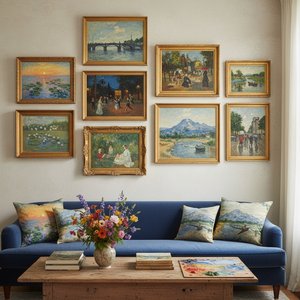
Top 10 Impressionistische Landschappen: Meesterwerken voor uw Interieur
Ontdek de 10 meest iconische impressionistische landschappen van Monet, Renoir & meer. Leer over hun technieken en betekenis. Vind museumkwaliteit kunst reproducties voor uw interieur op AllPaintingsStore.com!

David Cox the Elder: Landscape, Light & the Romantic Vision of Rural England
Explore the captivating landscapes of David Cox the Elder, a pivotal figure in British Romanticism. Discover his masterful watercolour techniques, enduring legacy & find timeless art for your home at AllPaintingsStore.

Romantische Landschappen: Top 10 Meesterwerken voor een Sfeervol Interieur | AllPaintingsStore.nl
Ontdek de 10 meest iconische meesterwerken van de Romantiek! Reis door de tijd met Caspar David Friedrich, Turner & Delacroix. Laat je inspireren en vind museumkwaliteit kunst reproducties voor een sfeervol interieur op AllPaintingsStore.com.
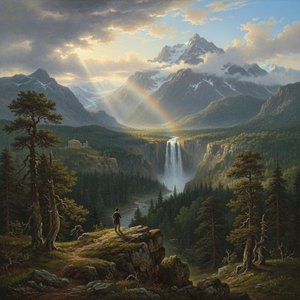
Evoking Nature's Sublime: A Comprehensive Exploration of 19th-Century Landscape Painting
Explore the captivating world of 19th-century landscape painting! Discover renowned artists like Friedrich & Monet, key movements, and find the perfect artwork to bring nature's serenity into your home. Expert insights at AllPaintingsStore.