


 Bekijk op ware grootte
 Verstuur
 Delen
Delen
 Details bekijken
 Gids voor studentenkunstwerken

 Download
 Vergelijkbare items
 Röntgenonderzoek
 Diavoorstelling
 Statistieken
Carr No. 4


 Lees meer
De kunstwerken die op deze pagina worden weergegeven, zijn beschermd door de auteursrechtwetgeving, wat betekent dat het ons wettelijk niet is toegestaan om identieke reproducties te maken of te verkopen. Deze bescherming wordt gehandhaafd onder internationale overeenkomsten zoals de Conventie van Bern en door nationale wetgeving, waaronder de bepalingen van de Amerikaanse auteurswet - Titel 17. Alle rechten voorbehouden. Reproduceren of distribueren van afbeeldingen is niet toegestaan zonder uitdrukkelijke schriftelijke toestemming van WahooArt.com en de rechthebbenden.
Deze methode voldoet volledig aan de auteursrechtwetgeving, omdat het niet gaat om het kopiëren of dupliceren van het beschermde kunstwerk. In plaats daarvan is er sprake van een creatieve herinterpretatie — een nieuw schilderij dat door het origineel wordt geïnspireerd, maar er niet identiek aan is.
Giclée / Kunstafdrukken
Giclée- of canvasafdruk van museumkwaliteit met een snelle productie en flexibele afwerkingsmogelijkheden. ( Koop handgeschilderd kunstwerk Schakel over naar digitale afbeeldingen)




P118B €10

P118H €10

P118W €10

P438Z €10

P508JH €12

P508YH €12

P805H €10

P805Z €10

P919BZ €10

P919G €10

P919XJ €10

P959ZH €10

P968JZ €12

W106C €8

W218G €10

W218JH €8

W218Y €10

W307PJ €10

W316G €10

W316PJ €8

W316Y €10

W398PJ €8

W4111J €10

W500HY €15

W500JH €15

W692G €12

W849H €8

W940BG €15

W953PJ €8




Kies uit onze vooraf ingestelde maten die overeenkomen met de originele verhoudingen van het kunstwerk.

Voer de breedte en de hoogte in die u nodig heeft, passend bij uw lijst of uw muur. Een afdruk kan alleen worden ingekort, nooit groter worden gemaakt dan het origineel, waardoor een formaat met een andere verhouding een deel van de afbeelding verliest. Wij sturen u een digitaal mockup ter goedkeuring voordat we iets drukken. De afbeelding op deze pagina toont niet de werkelijke uitsnede — dit is alleen te zien op het mockup.
Wereldwijde levering () binnen 2 weken in plaats van de standaard 4/5 weken. (24 oktober)

Gratis wereldwijde expressverzending

Hoogwaardig linnen canvas

Volledige verzendverzekering

Garantie op terugbetaling van invoerrechten

Garantie op exacte kleurweergave

Retourbeleid van 100 dagen (alleen bij defecten)

100% Geld-terug-garantie

Korting bij meerdere afnames
 De optie voor glas is alleen beschikbaar bij een formaat kleiner dan 110 cm.

Carr No. 4
Giclée / Kunstafdrukken
Formaat reproductie
-


Totaalprijs
€ 57
Carr No. 4 – A Geometric Echo of Canadian Identity
Inspired by the profound influence of Emily Carr, the Group of Seven (G7) and Tom Thomson on Canadian artistic heritage, Douglas Coupland’s “Carr No. 4” represents a striking reimagining of landscape painting through a distinctly contemporary lens. This artwork isn't merely a depiction of a mountainous vista bathed in golden sunlight; it’s an interrogation of what constitutes ‘Canadianness’ itself – a question posed with meticulous precision and executed using innovative digital techniques. Coupland began his artistic journey at Emily Carr College of Art and Design, where he honed his skills in sculpture before discovering the transformative power of visual art combined with computational tools. He eschewed traditional mediums, opting instead for a bold approach that prioritizes conceptual exploration over tactile materiality. This decision reflects a broader trend within contemporary art – a move away from representational accuracy towards conveying emotion and intellectual engagement. The painting’s genesis lies in degraded digital images unearthed on the internet—fragments of Canadian masterpieces destined for obscurity. Coupland skillfully employs a geometric language, meticulously crafted to distill these iconic landscapes into flattened planes of color. This technique deliberately strips away detail, forcing viewers to confront the essence of the scene rather than its surface appearance. It’s akin to peeling back layers of history and cultural memory to reveal underlying structures of feeling.- Style: Geometric Abstraction
- Technique: Photoshoping, Digital Collage
- Historical Context: Reflecting the legacy of Canadian landscape painting movements.
Thomson No. 5 (Yellow Sunset) – Resonance of Impressionism
This striking piece delves into the spirit of Impressionism, channeling the emotive power of artists like Tom Thomson and Emily Carr. Coupland’s masterful manipulation of color—primarily yellows and oranges—captures the fleeting beauty of a sunset over Canadian mountains with remarkable accuracy. The artist's technique prioritizes conveying atmosphere and emotion above meticulous detail, mirroring the core tenets of Impressionist painting. The artwork utilizes Photoshoping to transform original digital images into vibrant planes of color, emphasizing texture and luminosity. This process underscores Coupland’s commitment to blending traditional artistic inspiration with cutting-edge technological tools—a hallmark of his distinctive creative vision. The resulting image possesses a palpable sense of immediacy, inviting viewers to immerse themselves in the scene's radiant warmth.- Style: Impressionistic Abstraction
- Technique: Digital Photoshoping and Color Manipulation
Thomson No. 3 (Sunset Bay) – A Quiet Contemplation
“Thomson No. 3 (Sunset Bay)” exemplifies Coupland's exploration of Canadian identity through a minimalist aesthetic rooted in Impressionist principles. The painting’s subdued palette—dominated by blues and greens—creates an atmosphere of serene contemplation, mirroring the contemplative spirit of artists like Tom Thomson and Emily Carr. Coupland skillfully employs digital collage techniques to reconstruct fragmented images from online sources, transforming them into cohesive compositions that prioritize emotional impact over photographic realism. This approach reflects a broader trend in contemporary art – a rejection of representational accuracy in favor of conveying subjective experience. The resulting artwork possesses an understated elegance, inviting viewers to engage with its subtle nuances and unspoken resonances.- Style: Minimalist Impressionism
- Technique: Digital Collage and Color Grading
Vragen & Antwoorden
Met welk medium is "Carr No. 4" door Douglas Coupland uitgevoerd?
Douglas Coupland gebruikte de Acrylic On Canvas-techniek voor "Carr No. 4". De techniek bepaalt de materiële aard van het originele werk.
Welke kleur domineert de compositie van "Carr No. 4" door Douglas Coupland?
De kleur die het meest opvalt in "Carr No. 4" is Putty (#ecdfab). De dominante kleur is handig bij het afstemmen van een kunstwerk op een interieur.
Welke onderwerpen komen voor in "Carr No. 4" door Douglas Coupland?
De onderwerpen van "Carr No. 4" zijn landscape, geometric abstraction, canadian identity, minimalism, digital art, color palette, reprints, photography.
Gerelateerde kunstwerken


Biografie van de kunstenaar
Een Cartograaf van Hedendaagse Cultuur: Het Leven en de Kunst van Douglas Coupland
Douglas Coupland verscheen in het begin van de jaren 90 op het culturele toneel, niet enkel als romanschrijver, maar als een diagnosticus van een tijdperk. Geboren op 30 december 1961 op een Canadese militaire basis in Baden-Söllingen, Duitsland, werd zijn jeugd gekenmerkt door voortdurende verhuizingen, om uiteindelijk te settelen in Vancouver, Canada – een stad die zijn artistieke gevoeligheid diepgaand zou vormen. Deze vroege ervaring gaf hem het oog van een scherpe observator, afgestemd op de subtiele verschuivingen en angsten van het moderne leven. Hoewel hij aanvankelijk beeldhouwkunst studeerde aan het Emily Carr College of Art and Design, vond Coupland zijn ware roeping niet in het boetseren van fysieke vormen, maar in het verwoorden van de ongrijpbende texturen van het hedendaagse bestaan, en later, door een fascinerende versmelting van beeldende kunst en digitale technologie. Hij weerspiegelde de cultuur niet slechts; hij gaf er naam aan, en gaf een stem aan de onuitgesproken gevoelens van een generatie die dreef in een razendsnel versnellende wereld.Van Generatie X naar Visuele Commentaar
Couplands doorbraak kwam met de publicatie van Generation X: Tales for an Accelerated Culture in 1991. De roman was niet alleen een literair succes; het was een cultureel fenomeen dat een term muntte die onmiddellijk resoneerde bij miljoenen mensen die worstelden met identiteit en zingeving in de schaduw van de post-industriële samenleving. Termen als “McJob” maakten hun intrede in het lexicon en werden een synoniem voor de onzekerheid en vervreemding van arbeid in de late 20e eeuw. Maar Couplands ambitie reikte veel verder dan het simpelweg labelen van een generatie. Hij was geïnteresseerd in het verkennen van het psychologische landschap van een wereld die verzadigd is met media, consumentisme en technologische verandering. Deze verkenning eindigde niet bij de literatuur; hij maakte een naadloze overgang naar de beeldende kunst, gedreven door de wens om zijn ideeën via verschillende media uit te drukken. Zijn artistieke praktijk is opmerkelijk divers en omvat schilderkunst, sculptuur, fotografie en design – allemaal verenigd door een consistente thematische draad: een ondervraging van het moderne leven. Met dertien romans, twee bundels korte verhalen, zeven non-fictie boeken en talrijke scenario's voor film en televisie, getuigt hij van een ongekende creatieve vruchtbaarheid.De Taal van QR-codes en het Gewicht van Verlies
De beeldende kunst van Coupland kenmerkt zich door een unieke mix van abstractie, popcultuurreferenties en technologische innovatie. Misschien wel het meest opvallend is zijn bekendheid door de series waarin hij QR-codes in schilderijen verwerkt. Dit zijn geen louter decoratief elementen; het zijn poorten naar verborgen lagen van betekenis, die de kijker uitnodigen om via hun smartphone actief met het kunstwerk in interactie te gaan. Het scannen van deze codes onthult beknopte commentaren, wat een extra dimensie toevoegt aan de visuele ervaring – een bewijs van Couplands fascinatie voor de kruising tussen kunst en technologie. Naast deze innovatieve techniek worstelt zijn werk vaak met diepgaande thema's als verlies en sterfelijkheid. De Dead Grads Series is bijvoorbeeld een ontroerend eerbetoon aan jonge levens die tragisch voortijdig werden beëindigd, waarbij elk schilderij titels draagt als “Gun”, “Car Crash” en “Overdose” – rauwe herinneringen aan de kwetsbaarheid van het leven en de blijvende impact van rouw. Silver Boogeyman, een indrukwekkend werk dat het gezicht van Osama bin Laden onthult wanneer het door een smartphonescherm wordt bekeken, illustreert zijn vermogen om gedachten te prikkelen en percepties uit te dagen, waardoor de kijker wordt gedwongen de ongemakkelijke waarheden van de post-9/11 wereld onder ogen te zien.Sculpturale Verklaringen en Nationale Identiteit
Couplands artistische visie reikt verder dan het tweedimensionale canvas tot in het domein van de sculptuur. The Ice Storm, een monumentale stalen structuur, staat als een krachtige reflectie op de Canadese identiteit en kwetsbaarheid. De vorm van het beeldhouwwerk roept zowel kracht als fragilheid op, wat de complexiteit van de nationale geschiedenis en de relatie met de natuur weerspiegelt. Zijn mixed-media collages, zoals God, tonen zijn meesterschap in gelaagde technieken en grafisch ontwerp, waarbij symbolische elementen zoals “Lord Jim” en een geometrische ‘D’ worden gebruikt om visueel aangrijpende composities te creëren die uitnodigen tot meerdere interpretaties. Deze werken zijn niet simpelweg esthetische objecten; het zijn intellectuele puzzels die actieve betrokkenheid van de toeschouwer vereisen. Zijn werk is tentoongesteld in prestigieuze instellingen zoals de Vancouver Art Gallery en de McMichael Canadian Art Collection, wat zijn positie als een belangrijk figuur in de hedendaagse kunst bevestigt.Erfenis van Observatie en Innovatie
De bijdragen van Douglas Coupland aan zowel de literatuur als de beeldende kunst hebben hem wereldwijde erkenning opgeleverd, waaronder benoeming tot Officer of the Order of Canada en lidmaatschap van de Order of British Columbia. Hij blijft een vitale stem in de Canadese letteren en kunsten, bekend om zijn scherpe observaties, innovatieve artistieke expressie en de bereidheid om complexe sociale en culturele kwesties aan te pakken. Zijn werk blijft resoneren bij publiek wereldwijd en stimuleert het debat over hedendaagse cultuur, technologie en de menselijke conditie. Coupland is niet zomaar een kunstenaar; hij is een cultureel cartograaf die het voortdurend veranderende terrein van het moderne leven in kaart brengt met zowel precisie als empathie. Hij heeft een onuitwisbare indruk achtergelaten op ons begrip van onszelf en de wereld om ons heen, waarmee hij zijn plaats als een van de belangrijkste hedendaagse kunstenaars van Canada veiligstelt.- Kernthema's: Generatie X, digitale cultuur, technologie, verlies, identiteit, consumentisme, Canadese identiteit.
- Invloeden: Popart, minimalisme, constructivisme, Japanse bedrijfswetenschap, hedendaagse literatuur.
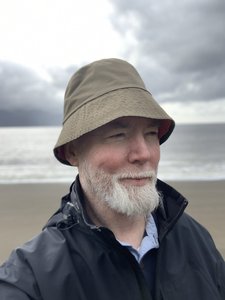
Douglas Coupland
1961 - , Duitsland
Snelle feiten
- Artistic Movement Or Style: Pop Art, Minimalisme
- Artists Who Influenced This Artist:
- Pop Art
- Minimalisme
- Date Of Birth: 30 december 1961
- Full Name: Douglas Campbell Coupland
- Nationality: Canadees
- Notable Artworks:
- Everywhere Is Anywhere Is Anything Is Everything
- The Gum Thief
- Place Of Birth: Baden-Söllingen, Duitsland
Gerelateerde artikelen

Neo-Abstract Art Trend Forecast: High-Impact Geometric Compositions for Contemporary Commercial Interiors
Elevate commercial interiors with Neo-Abstract art. Discover how high-impact geometric compositions and custom oil reproductions provide scalable, sophisticated design solutions for hotels, restaurants, and corporate spaces. Expert procurement for large-scale hospitality projects.

