


 Bekijk op ware grootte
 Verstuur
 Delen
Delen
 Details bekijken
 Gids
Gids

 Download
 Vergelijkbare items
 Röntgenonderzoek
 Diavoorstelling
 Statistieken
Crucifixion
 Acrylic On Canvas
- WallArt
- Late Gothic
 1308
1308 100.0 x 76.0 cm
 Museo dell'Opera del Duomo
 Lees meer
Handgemaakte olieverfreproductie
Met de hand geschilderd in olieverf op canvas in uw gewenste maat en lijst, op bestelling gemaakt door onze kunstenaars. ( Schakel over naar print Schakel over naar digitale afbeeldingen)




P118B $10

P118H $10

P118W $10

P438Z $10

P508JH $12

P508YH $12

P805H $10

P805Z $10

P919BZ $10

P919G $10

P919XJ $10

P959ZH $10

P968JZ $12

W106C $8

W218G $10

W218JH $8

W218Y $10

W307PJ $10

W316G $10

W316PJ $8

W316Y $10

W398PJ $8

W4111J $10

W500HY $15

W500JH $15

W692G $12

W849H $8

W940BG $15

W953PJ $8




Kies uit onze vooraf ingestelde maten die overeenkomen met de originele verhoudingen van het kunstwerk.

U kunt uw eigen afmetingen invoeren om in een specifieke lijst of ruimte te passen. Als de door u gekozen maat niet overeenkomt met de verhoudingen van het originele beeld, zullen we het kunstwerk bijsnijden of het schilderij uitbreiden met extra handgeschilderde elementen. Een digitale mockup wordt ter goedkeuring naar u verzonden voordat de productie begint.
Houd er rekening mee dat de preview op het scherm niet de werkelijke uitsnede of uitbreiding weergeeft. Alleen de mockup toont de uiteindelijke compositie nauwkeurig.
Hoewel aangepaste afmetingen mogelijk zijn, raden we aan een maat uit de vooraf gedefinieerde lijst te selecteren om de originele verhoudingen te behouden.
Na de bestelling zal het team van AllPaintingsStore.com per e-mail contact opnemen met de klant voor instructies en een mockup-voorbeeld sturen.
Wereldwijde levering () binnen 3 tot 4 weken in plaats van de standaard 5 weken. (21 september). Zonder concessies aan de kwaliteit.

Gratis wereldwijde expressverzending

Hoogwaardig linnen canvas

Volledige verzendverzekering

Garantie op terugbetaling van invoerrechten

Garantie op exacte kleurweergave

Retourbeleid van 100 dagen (alleen bij defecten)

100% Geld-terug-garantie

Korting bij meerdere afnames
 De optie voor glas is alleen beschikbaar bij een formaat kleiner dan 110 cm.

Crucifixion
Reproductiemethode
Formaat reproductie
-


Totaalprijs
$ 258
A Moment Frozen in Time: Duccio’s Crucifixion – Siena, 1308
The painting “Crucifixion” by Duccio di Buoninsegna isn't merely a depiction of religious iconography; it represents a seismic shift in artistic expression—a courageous embrace of human emotion within the solemn confines of sacred art. Created in Siena around 1308, this tempera masterpiece resides proudly at Museo dell’Opera del Duomo, inviting viewers to contemplate not just the event itself but also the profound psychological landscape of its depiction. Duccio's legacy extends far beyond his technical prowess; he fundamentally altered the visual language of his era, establishing a precedent for subsequent artists striving to convey spiritual depth with palpable sincerity.The Style and Technique: Bridging Byzantium and Naturalism
Duccio’s approach distinguishes him from the prevailing Byzantine style—characterized by flattened figures and stylized drapery—marking a decisive step toward naturalistic representation. While retaining elements of Byzantine influence, notably in the pyramidal composition mirroring Christ's body on the cross, Duccio skillfully incorporates subtle nuances that imbue the scene with an unprecedented sense of realism. The meticulous layering of pigments—a hallmark of tempera paint—creates luminous surfaces and delicately rendered textures, capturing the physicality of human form and drapery with remarkable accuracy. This technique wasn’t simply about replicating what was seen; it was about conveying feeling—the sorrowful gaze of Mary Magdalene, the palpable tension amongst the onlookers—transforming a biblical narrative into an emotionally resonant experience.Historical Context: Siena Amidst Artistic Transformation
Siena in the early fourteenth century was experiencing a burgeoning artistic fervor, fueled by papal patronage and a renewed interest in classical ideals. However, Duccio’s work stands apart as it anticipates the stylistic developments that would characterize the Florentine Renaissance—a movement prioritizing human anatomy and perspective. The painting reflects the broader intellectual currents of its time, demonstrating an awareness of humanist thought while simultaneously upholding Christian dogma. Its creation coincided with a period of intense spiritual contemplation within Siena Cathedral, where Duccio served as chief sculptor and painter, cementing his role as a pivotal figure in shaping the artistic identity of the city.Symbolism: Layers of Meaning Beyond the Visible
“Cruifixion” is replete with symbolic gestures designed to elevate its narrative beyond mere visual representation. The pyramidal structure itself symbolizes Christ’s divine majesty—a deliberate allusion to Byzantine iconography—yet it simultaneously anchors the figure in earthly reality. The positioning of Mary Magdalene and Saint John, flanking Jesus on either side, underscores their roles as witnesses to the Passion and embodies the universality of human suffering. Furthermore, Duccio's masterful use of color contributes significantly to the painting’s emotional impact; the muted hues convey solemnity and grief, while highlighting the radiant luminosity emanating from Christ’s wounds—a visual reminder of divine grace amidst profound sorrow.Emotional Impact: A Window into Human Experience
Ultimately, “Cruifixion” transcends its formal elements to deliver a powerful statement about human compassion and faith. Duccio compels viewers to confront the visceral reality of suffering—the agony etched on Jesus’s face, the despair radiating from Mary Magdalene's eyes—yet simultaneously offers solace in the promise of redemption. The painting’s enduring appeal lies in its ability to evoke empathy and contemplation, prompting reflection on themes of sacrifice, devotion, and the transformative power of spiritual belief. It remains a testament to Duccio’s genius—a masterpiece that continues to inspire awe and provoke profound emotional responses centuries after its creation.Gerelateerde kunstwerken


Biografie van de kunstenaar
The Sienese Luminary: Duccio di Buoninsegna and the Dawn of a New Italian Vision
Duccio di Buoninsegna, geboren in Siena rond 1255, staat als een cruciale figuur tussen de Byzantijnse wereld en de opkomende artistieke gevoelens van Italië. Hoewel biografische details vaak schaars zijn – de man zelf vaak verdoemd tot de glans van zijn kunst – is zijn impact op de Sienese School en de koers van Italiaanse schilderkunst onmiskenbaar. Hij kwam op een tijdstip waarin religieuze iconografie diep geworteld was, maar een verlangen naar meer naturalisme en emotionele resonatie begon te broeien binnen artistieke kringen. Duccio was niet alleen een schilder; hij was een innovator die durfde heilige verhalen in te kleuren met menselijk gevoel, subtiel de focus verschuivend van rigide formaliteit naar een intimere verbinding tussen het goddelijke en het aardse rijk. Zijn vroege opleiding blijft enigszins mysterieus, hoewel speculatie suggereert dat hij invloeden heeft gehad van Florentijnse meesters, mogelijk directe blootstelling aan Byzantijnse kunst – misschien zelfs reizen naar Constantinopel zelf. Wat zijn opvoeding ook was, het kwam samen tot een unieke stijl die een tijdperk zou definiëren.A Synthesis of Tradition and Innovation
Duccio’s artistieke ontwikkeling was geen plotselinge breuk met het verleden, maar eerder een gracieuze evolutie. Zijn vroege werken waren diep geworteld in Byzantijnse conventies: het weelderige gebruik van gouddraad om hemelverlichting te oproepen, gestileerde figuren met een etherische kwaliteit en een nauwkeurige aandacht voor religieuze symboliek. Echter, zelfs binnen deze gevestigde parameters begon Duccio subtiel elementen te introduceren die foreshadowden zijn latere innovaties. Hij experimenteerde met ruimtelijke arrangementen, hintend naar diepte waar eerder vlakheid heerste. Zijn kleurenpaletten, hoewel nog steeds levendig, kregen een nieuwe subtiliteit en harmonie. Meer belangrijk nog, begon hij figuren in te kleuren met een opkomende menselijkheid – een zachte kromming van de mond suggererend… Een zachte curve of the mouth suggesting a smile, a slight tilt of the head conveying contemplation. This wasn’t a rejection of Byzantine ideals but a refinement, an infusion of life into what had often been static representations. He skillfully blended tradition and innovation, creating a style that was both reverent and remarkably fresh.Masterpieces of Faith and Artistry
Twee werken staan als getuigenissen van Duccio’s genie: de *Rucellai Madonna* (1285) en, meest beroemd, de *Maestà* (1308-1311). De *Rucellai Madonna*, besteld voor een kapel in Florence, markeerde een significante verschuiving ten opzichte van conventionele Byzantijnse iconografie. Zijn compositie, hoewel nog steeds vasthoudend aan traditionele vormen, toonde een groter gevoel voor ruimtelijke organisatie en een meer naturalistische weergave van de Heilige Maria en Kind. Maar het *Maestà* – een monumentaal altaarstuk gecreëerd voor Siena Cathedral – heeft Duccio’s erfenis daadwerkelijk verankerd. Deze omvangrijke compositie bestaat uit tal van panelen die scènes uit het leven van de Heilige Maria en Christus weergeven, elk op zichzelf een miniatuur kunstwerk. The Maestà is not merely a collection of paintings; it's a visual narrative, unfolding with breathtaking detail and emotional depth. Duccio’s meesterschap in licht en schaduw, zijn vermogen om complexe emoties over te brengen door subtiele gebaren en zijn innovatieve gebruik van perspectief komen hier samen in één, indrukwekkend kunstwerk. Naast deze monumentale stukken tonen werken zoals *Polyptych No. 28* zijn voortdurende vaardigheid in compositie en zijn nauwkeurige aandacht voor detail.A Lasting Legacy: Shaping the Future of Italian Art
Duccio di Buoninsegna’s invloed strekte zich ver buiten zijn leven uit. Hij revolutioneerde Italiaanse schilderkunst, waardoor de weg vrij werd gemaakt voor de ontwikkeling van de Sienese School – een unieke artistieke traditie gekenmerkt door elegantie, verfijning en emotionele intensiteit. Zijn nadruk op naturalisme, ruimtelijke diepte en menselijkheid had direct invloed op latere generaties kunstenaars, niet alleen binnen Siena maar ook buiten. Hoewel Giotto vaak wordt toegeschreven aan het initiëren van de Renaissance-stijl, waren Duccio’s bijdragen even cruciaal, waardoor de artistieke innovaties werden gelegd die de 14e eeuw en daarna zouden definiëren. Zijn werken worden vandaag de dag in prominente musea over de hele wereld tentoongesteld, waardoor een blik wordt geworpen op een wereld waar geloof, kunst en menselijke emotie samenkomen met adembenemende schoonheid.- Hij pioneered new approaches to depicting space and perspective.
- His paintings are renowned for their vibrant and harmonious color schemes.
- He infused his figures with a sense of humanity and emotional resonance.
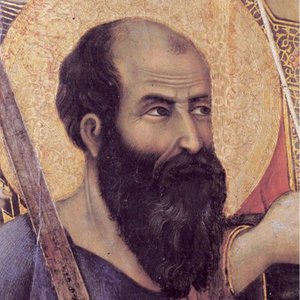
Duccio di Buoninsegna
1255 - 1319 , Italië
Snelle feiten
- Artistic Movement Or Style: Gotisch, Sienese School
- Artists Or Movements Influenced By This Artist:
- Sienese School
- Italiaanse Gotiek
- Artists Who Influenced This Artist: ['Byzantijnse kunst']
- Date Of Birth: c. 1255
- Date Of Death: 1319
- Full Name: Duccio di Buoninsegna
- Nationality: Italiaans
- Notable Artworks:
- Maestà
- Rucellai Madonna
- Place Of Birth: Siena, Italië


