Geld-terug-garantie · 100 dagen Gratis wereldwijde verzending
449.582kunstwerken 30.618kunstenaars 4.705musea 32talen
Valuta
    Taal
      Atelier · Sinds 2015 · Parijs, Frankrijk
      AllPaintingsStore
      allpaintingsstore.com
      Bekijk op ware grootte Bekijk in AR Schakel over naar print Schakel over naar digitale afbeeldingen Verstuur
      Details bekijken Gids voor studentenkunstwerken Toevoegen aan favorieten Download Vergelijkbare items Röntgenonderzoek Diavoorstelling Statistieken

      Dans op het strand

      Bekijk een prachtige reproductie van Edvard Munchs 'Dans op het strand', een iconische schildering uit 1904 die de vreugde en ontspanning van het strand weergeeft. Een kunstwerk dat Expressionisme perfect vertegenwoordigt!

      Ontdek Edvard Munch (1863-1944), de meester van angst en emotie! Bekijk 'The Scream' & zijn iconische kunstwerken vol melancholie, liefde & psychologische diepgang.

      Handgemaakte olieverfreproductie

      Met de hand geschilderd in olieverf op canvas in uw gewenste maat en lijst, op bestelling gemaakt door onze kunstenaars. ( Schakel over naar print Schakel over naar digitale afbeeldingen)

      Corner sample of the P118B picture frame: moulded polystyrene, 5 cm wide and 3 cm thick
      P118B 10
      Corner sample of the P118H picture frame: moulded polystyrene, 5 cm wide and 3 cm thick
      P118H 10
      Corner sample of the P118W picture frame: moulded polystyrene, 5 cm wide and 3 cm thick
      P118W 10
      Corner sample of the P438Z picture frame: moulded polystyrene, 5.5 cm wide and 3.5 cm thick
      P438Z 10
      Corner sample of the P508JH picture frame: moulded polystyrene, 7 cm wide and 3.5 cm thick
      P508JH 12
      Corner sample of the P508YH picture frame: moulded polystyrene, 7 cm wide and 3.5 cm thick
      P508YH 12
      Corner sample of the P805H picture frame: moulded polystyrene, 5 cm wide and 3.5 cm thick
      P805H 10
      Corner sample of the P805Z picture frame: moulded polystyrene, 5 cm wide and 3.5 cm thick
      P805Z 10
      Corner sample of the P919BZ picture frame: moulded polystyrene, 7 cm wide and 3.5 cm thick
      P919BZ 10
      Corner sample of the P919G picture frame: moulded polystyrene, 7 cm wide and 3.5 cm thick
      P919G 10
      Corner sample of the P919XJ picture frame: moulded polystyrene, 7 cm wide and 3.5 cm thick
      P919XJ 10
      Corner sample of the P959ZH picture frame: moulded polystyrene, 5 cm wide and 3 cm thick
      P959ZH 10
      Corner sample of the P968JZ picture frame: moulded polystyrene, 6 cm wide and 4 cm thick
      P968JZ 12
      Corner sample of the W106C picture frame: solid wood, 5 cm wide and 3 cm thick
      W106C 8
      Corner sample of the W218G picture frame: solid wood, 5 cm wide and 3 cm thick
      W218G 10
      Corner sample of the W218JH picture frame: solid wood, 5 cm wide and 3 cm thick
      W218JH 8
      Corner sample of the W218Y picture frame: solid wood, 5 cm wide and 3 cm thick
      W218Y 10
      Corner sample of the W307PJ picture frame: solid wood, 6 cm wide and 3 cm thick
      W307PJ 10
      Corner sample of the W316G picture frame: solid wood, 6 cm wide and 3 cm thick
      W316G 10
      Corner sample of the W316PJ picture frame: solid wood, 6 cm wide and 3 cm thick
      W316PJ 8
      Corner sample of the W316Y picture frame: solid wood, 6 cm wide and 3 cm thick
      W316Y 10
      Corner sample of the W398PJ picture frame: solid wood, 5 cm wide and 3 cm thick
      W398PJ 8
      Corner sample of the W4111J picture frame: solid wood, 6.5 cm wide and 3.5 cm thick
      W4111J 10
      Corner sample of the W500HY picture frame: solid wood, 7 cm wide and 5 cm thick
      W500HY 15
      Corner sample of the W500JH picture frame: solid wood, 7 cm wide and 5 cm thick
      W500JH 15
      Corner sample of the W692G picture frame: solid wood, 8 cm wide and 4 cm thick
      W692G 12
      Corner sample of the W849H picture frame: solid wood, 5 cm wide and 3 cm thick
      W849H 8
      Corner sample of the W940BG picture frame: solid wood, 7.5 cm wide and 4.5 cm thick
      W940BG 15
      Corner sample of the W953PJ picture frame: solid wood, 6 cm wide and 3.5 cm thick
      W953PJ 8

      Standaardformaat
      op maat gemaakt
      CM
      INCH

      Kies uit onze vooraf ingestelde maten die overeenkomen met de originele verhoudingen van het kunstwerk.

      breedte
      hoogte

      U kunt uw eigen afmetingen invoeren om in een specifieke lijst of ruimte te passen. Als de door u gekozen maat niet overeenkomt met de verhoudingen van het originele beeld, zullen we het kunstwerk bijsnijden of het schilderij uitbreiden met extra handgeschilderde elementen. Een digitale mockup wordt ter goedkeuring naar u verzonden voordat de productie begint.
      Houd er rekening mee dat de preview op het scherm niet de werkelijke uitsnede of uitbreiding weergeeft. Alleen de mockup toont de uiteindelijke compositie nauwkeurig.
      Hoewel aangepaste afmetingen mogelijk zijn, raden we aan een maat uit de vooraf gedefinieerde lijst te selecteren om de originele verhoudingen te behouden.

      Voorbeelden van wat aangepast kan worden: Vervang het gezicht met een eigen foto; Voeg een huisdier toe (bijv. vervang de kat door een hond); Verwerk een verborgen boodschap in de achtergrond; Wijzig het landschap of andere elementen in de achtergrond.
      Na de bestelling zal het team van AllPaintingsStore.com per e-mail contact opnemen met de klant voor instructies en een mockup-voorbeeld sturen.

      Wereldwijde levering () binnen 3 tot 4 weken in plaats van de standaard 5 weken. (11 oktober). Zonder concessies aan de kwaliteit.

      Gratis wereldwijde expressverzending
      Hoogwaardig linnen canvas
      Volledige verzendverzekering
      Garantie op terugbetaling van invoerrechten
      Garantie op exacte kleurweergave
      Retourbeleid van 100 dagen (alleen bij defecten)
      100% Geld-terug-garantie
      Korting bij meerdere afnames

      Totaalprijs

      € 222

      Dans op het strand

      Reproductiemethode

      Formaat reproductie

      -

      Totaalprijs

      € 222

      Belangrijkste kenmerken

      • Title: Dance on the Beach
      • Artistic style: Symbolic Expressionism
      • Notable elements or techniques: Light & Shadow Play
      • Subject or theme: Beach Leisure
      • Artist: Edvard Munch
      • Influences: Modernism
      • Medium: Oil on Canvas

      Kunstquiz

      Er is slechts één goed antwoord op elke vraag.

      Vraag 1:
      What artistic movement is Edvard Munch’s ‘Dance on the Beach’ associated with?
      Vraag 2:
      The painting utilizes light to achieve what primary objective?
      Vraag 3:
      What was a significant influence on Expressionism?
      Vraag 4:
      How does Munch’s depiction of the figures reflect social standards of his era?
      Vraag 5:
      What is the overall atmosphere conveyed by Munch’s use of light and shadow in ‘Dance on the Beach’?

      Dance on the Beach: A Symphony of Light and Emotion in Munch’s Expressionist Vision

      Edvard Munch's Dance on the Beach is more than just a depiction of seaside merriment; it’s a profound exploration of human experience distilled into a single, unforgettable image. Painted in 1904, this oil painting embodies the core tenets of Expressionism – raw emotion, subjective perception, and a deliberate rejection of academic conventions—resulting in an artwork that continues to resonate with viewers today. Munch sought not merely to represent what he saw but to convey what he *felt*, transforming ordinary beachgoers into conduits for anxieties about life, love, and mortality.

      The Expressionist Movement: Beyond Representation

      Expressionism emerged as a forceful reaction against the prevailing intellectual climate of early 20th century Europe. Influenced by thinkers like Nietzsche and Freud, it questioned established moral codes and championed individualism. Unlike Impressionism’s focus on capturing fleeting moments of visual beauty, Expressionists aimed to express inner turmoil—a preoccupation with psychological states that mirrored the anxieties of a rapidly changing world grappling with industrialization, urbanization, and the looming shadow of war. The movement's manifesto declared: “We want to paint what we feel,” prioritizing emotional truth over objective accuracy. Munch’s work exemplifies this ethos perfectly, eschewing idealized landscapes for scenes charged with palpable tension.

      A Masterful Use of Light and Shadow

      Munch’s artistic technique is particularly noteworthy in Dance on the Beach. He skillfully manipulates light to heighten the painting's dramatic impact. As Munch himself wrote, “Light is my paintbrush.” In Expressionist art, light isn’t simply a tool for illumination; it actively participates in conveying emotion. Observe how Munch utilizes dappled sunlight filtering through foliage—creating pockets of brightness that contrast sharply with deep shadows—to sculpt the figures and imbue the scene with an atmosphere of both vibrancy and unease. This technique underscores the painting's central theme: the precarious balance between joy and despair, beauty and darkness.

      The Symbolism of Nudity and Leisure

      The inclusion of nude figures within Dance on the Beach carries significant symbolic weight. Historically, nudity in art has served as a vehicle for exploring themes of vulnerability, innocence, and primal instinct—often juxtaposed with notions of mortality and decay. Munch’s depiction reflects the social mores of his time, where idealized beauty was prized alongside an awareness of human fragility. The figures dancing represent fleeting moments of happiness amidst the pervasive anxieties of existence; their carefree movements are subtly undermined by the oppressive darkness surrounding them.

      Modernism's Echoes: A Legacy of Innovation

      Dance on the Beach stands firmly within the broader context of Modernist art movements—particularly Abstract Expressionism and Surrealism—which followed Munch’s pioneering work. Like these successors, Munch rejected traditional artistic conventions in favor of experimentation and psychological exploration. The painting's fragmented composition and distorted perspective mirror the anxieties inherent in a world undergoing rapid transformation, mirroring the stylistic innovations that would define the decades to come. It remains an enduring testament to Munch’s ability to capture the complexities of human emotion and his unwavering commitment to artistic truth. Experience the beauty of handmade oil painting reproductions at AllPaintingsStore.com.
      Visit AllPaintingsStore.com to explore more artworks and learn about the artists who created them.

      Vragen & Antwoorden

      In welke fase van de carrière van Edvard Munch valt "Dans op het strand", gezien de datum?

      "Dans op het strand", vervaardigd in 1904, behoort tot de Mature Period van de carrière van Edvard Munch.

      Hoe oud was Edvard Munch toen "Dans op het strand" werd gemaakt?

      Edvard Munch maakte "Dans op het strand" op 41-jarige leeftijd. De kunstenaar werd geboren in 1863 en het werk dateert uit 1904.

      Welke kleurharmonie vertoont "Dans op het strand" door Edvard Munch?

      "Dans op het strand" door Edvard Munch vertoont een Strong Color Unity kleurharmonie.

      Aan welke kunstenaar wordt "Dans op het strand" toegeschreven?

      "Dans op het strand" is gemaakt door Edvard Munch. De informatie op deze pagina beschrijft het originele werk van Edvard Munch.

      In welke oriëntatie staat "Dans op het strand" door Edvard Munch?

      Het formaat van "Dans op het strand" is Vierkant. Dit is handig bij het plannen van de plek waar een reproductie zal worden geplaatst.

      In welk jaar werd "Dans op het strand" door Edvard Munch gemaakt?

      De creatie van "Dans op het strand" door Edvard Munch dateert uit 1904.

      Heeft "Dans op het strand" een augmented reality-preview?

      "Dans op het strand" heeft een augmented reality-preview: de AR-voorvertoning-pagina van het kunstwerk toont het in uw eigen ruimte op een compatibel apparaat.


      Biografie van de kunstenaar

      Een Leven in Schaduw: De Wereld van Edvard Munch

      Edvard Munch, geboren in 1863 te Ådalsbruk in Noorwegen, was een kunstenaar wiens werk synoniem werd met de angsten en emotionele onrust van het moderne tijdperk. Zijn leven, diep getekend door verlies en een allesdoordringende melancholie, vormde de bron van zijn expressieve kunst. Al vroeg in zijn jeugd, overschaduwd door de vroege dood van zijn moeder en zus – beiden ten prooi gevallen aan tuberculose – ontwikkelde Munch een spookachtige preoccupatie met sterfelijkheid, ziekte en de fragiliteit van het menselijk bestaan. Deze ervaringen waren niet slechts biografische details; ze werden de kern van zijn artistieke visie, die een onophoudelijke verkenning van het innerlijke landschap van angst, verdriet en hunkering aanwakkerde. De strenge religieuze overtuigingen van zijn vader en zijn eigen worstelingen met psychische aandoeningen droegen verder bij aan een gevoel van dreiging dat Munch’s wereld doordrong, waardoor niet alleen zijn persoonlijke leven maar ook de symbolische taal van zijn schilderijen werd gevormd. Hij portretteerde geen scènes; hij externaliseerde een interne staat en vertaalde psychologische nood in visuele vorm.

      De Ontstaansgeschiedenis van Expressie: Invloeden en Artistieke Ontwikkeling

      Munch’s artistieke reis begon met formele training aan de Koninklijke School voor Kunst en Design in Kristiania (Oslo), maar het was zijn ontmoeting met boheemse kringen en de nihilistische filosofie van Hans Jæger die zijn creatieve vuur echt aanwakkerde. Jæger moedigde Munch aan om conventionele academische stijlen te verlaten en zich in plaats daarvan onder te dompelen in de diepten van zijn eigen subjectieve ervaring, een concept dat hij “zielsschilderen” noemde. Deze cruciale verschuiving markeerde het begin van Munch’s kenmerkende stijl – gekenmerkt door rauwe emotie, vervormde vormen en een afwijzing van naturalistische weergave. Zijn reizen naar Parijs in de jaren 1890 brachten hem in contact met de opkomende post-impressionistische beweging, waar hij invloeden absorbeerde van kunstenaars als Paul Gauguin, Vincent van Gogh en Henri de Toulouse-Lautrec. Het gedurfde kleurgebruik, expressieve penseelstreken en psychologische intensiteit van deze meesters resoneerden diep met Munch’s eigen artistieke neigingen. Hij imiteerde hun technieken niet; hij synthetiseerde ze tot iets unieks – een visuele taal die in staat was om de meest diepe en verontrustende menselijke emoties over te brengen. Zijn tijd in Berlijn bleek ook cruciaal, waardoor hij in contact kwam met toneelschrijver August Strindberg, wiens verkenning van psychologische thema’s Munch’s artistieke onderzoek verder aanwakkerde.

      Iconische Visioenen: Belangrijke Werken en Hun Symbolische Betekenis

      Munch’s oeuvre wordt bevolkt door beelden die diep in het collectieve bewustzijn zijn gegrift. De Schreeuw, misschien wel zijn meest iconische werk, overstijgt zijn status als schilderij om een universeel symbool van existentieel angst te worden. Het wervelende, vurige landschap en het contornerende gezicht van de figuur belichamen een oergevoel tegen de onverschilligheid van het universum. Madonna, een controversieel en diep persoonlijk stuk, onderzoekt thema’s als seksualiteit, moederschap en sterfelijkheid met verontrustende openhartigheid. Terugkerende motieven zoals Het Zieke Kind – geïnspireerd door het verlies van zijn zus Sophie – dienen als ontroerende herinneringen aan Munch’s jeugdtrauma en de alomtegenwoordige schaduw van de dood. Melancholie I & II, krachtige afbeeldingen van diepe droefheid en isolatie, onthullen een kwetsbaarheid die zowel persoonlijk als universeel herkenbaar is. Deze werken zijn niet simpelweg representaties van de externe realiteit; ze zijn vensters naar de ziel van de kunstenaar, die kijkers een compromisloze blik bieden op de donkerste hoeken van het menselijk psyche. Munch streefde er niet naar om mooie beelden te creëren; hij zocht naar waarheid – zelfs als die waarheid pijnlijk en verontrustend was.

      Een Blijvende Erfenis: Historische Betekenis en Voortdurende Invloed

      Edvard Munch’s bijdrage aan de moderne kunst is onmeetbaar. Hij staat als een sleutelfiguur in de ontwikkeling van het expressionisme, die baanbaande weg voor kunstenaars die subjectieve emotie boven objectieve weergave stelden. Zijn compromisloze verkenning van universele menselijke ervaringen – liefde, verlies, angst en dood – blijft tot op de dag van vandaag resoneren met publiek, waardoor zijn plaats als een van de meest invloedrijke en duurzame figuren in de kunstgeschiedenis wordt verstevigd. Zijn werk heeft generaties kunstenaars diepgaand beïnvloed, bewegingen zoals het Duitse expressionisme en daarbuiten beïnvloedend. Hij durfde de donkerdere aspecten van de menselijke conditie te confronteren, waarbij hij conventionele opvattingen over schoonheid en artistieke representatie uitdaagde. Zelfs na het bereiken van roem en erkenning – culminerend in de oprichting van het Munch Museum in Oslo – bleef zijn persoonlijke leven turbulent, gekenmerkt door periodes van psychische instabiliteit en isolatie. Toch bleef hij creëren, waardoor een oeuvre achterbleef dat blijft provoceren, uitdagen en inspireren. Munch’s erfenis gaat niet alleen over de schilderijen zelf; het gaat om de moed om de complexiteit van het menselijk bestaan te confronteren en die ervaringen in kunst te vertalen die spreken tot de diepste delen van ons wezen.

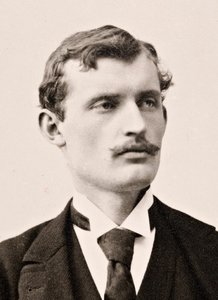
      Edvard Munch

      Edvard Munch

      1863 - 1944 , Noorwegen

      Snelle feiten

      • Artistic Movement Or Style: Expressionisme
      • Artists Or Movements Influenced By This Artist: ['Duits Expressionisme']
      • Artists Who Influenced This Artist:
        • Paul Gauguin
        • Van Gogh
      • Date Of Birth: 12 december 1863
      • Date Of Death: 23 januari 1944
      • Full Name: Edvard Munch
      • Nationality: Noors
      • Notable Artworks:
        • The Scream
        • Madonna
        • The Sick Child
      • Place Of Birth: Ådalsbruk, Zweden
      Ontdek kunstwerken georganiseerd op thema, stijl en kenmerk.