Voorvertoning
 Verstuur
 Delen
Delen
 Details bekijken
 Gids
Gids

 Download
 Vergelijkbare items
 Röntgenonderzoek
 Diavoorstelling
 Q&A
Q&A Statistieken
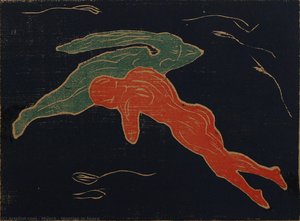
Man Bathing
 Acrylic On Canvas
- WallArt
- Expressionism
 1899
1899- Renaissance
 44.0 x 44.0 cm
 Lees meer
Giclée / Kunstafdrukken
Giclée- of canvasafdruk van museumkwaliteit met een snelle productie en flexibele afwerkingsmogelijkheden. ( Bestel handgeschilderde reproductie Schakel over naar digitale afbeeldingen)




P118B €10

P118H €10

P118W €10

P438Z €10

P508JH €12

P508YH €12

P805H €10

P805Z €10

P919BZ €10

P919G €10

P919XJ €10

P959ZH €10

P968JZ €12

W106C €8

W218G €10

W218JH €8

W218Y €10

W307PJ €10

W316G €10

W316PJ €8

W316Y €10

W398PJ €8

W4111J €10

W500HY €15

W500JH €15

W692G €12

W849H €8

W940BG €15

W953PJ €8




Kies uit onze vooraf ingestelde maten die overeenkomen met de originele verhoudingen van het kunstwerk.

Voer de gewenste breedte en hoogte in, passend bij uw lijst of muur. Een afdruk kan alleen worden ingekort en nooit groter worden gemaakt dan het origineel; een formaat met andere verhoudingen zal daarom een deel van de afbeelding verliezen. Wij sturen u een digitaal mockup ter goedkeuring voordat we tot drukwerk overgaan. De afbeelding op deze pagina toont niet de werkelijke uitsnede — dit is alleen te zien op het mockup.
Wereldwijde levering () binnen 2 weken in plaats van de standaard 4/5 weken. (29 oktober)

Gratis wereldwijde expressverzending

Hoogwaardig linnen canvas

Volledige verzendverzekering

Garantie op terugbetaling van invoerrechten

Garantie op exacte kleurweergave

Retourbeleid van 100 dagen (alleen bij defecten)

100% Geld-terug-garantie

Korting bij meerdere afnames
 De optie voor glas is alleen beschikbaar bij een formaat kleiner dan 110 cm.

Man Bathing
Giclée / Kunstafdrukken
Afmetingen reproductie
-


Eindtotaal
€ 57
Man Bathing: A Study in Solitude and Expressionism
Edvard Munch's "Man Bathing," created in 1899, is a poignant exploration of human emotion rendered through the lens of Expressionism. This captivating work offers a glimpse into the artist’s profound understanding of solitude, contemplation, and the raw power of feeling. More than just a depiction of a man swimming, it's an evocative portrayal of the inner self confronting the vastness of nature.
Subject and Composition
"Man Bathing" depicts a solitary figure standing on a surfboard in the ocean. The central subject, rendered nude, faces away from the viewer, creating an immediate sense of mystery and detachment. This deliberate choice invites introspection; we are not meant to observe but rather to empathize with the man's internal state. The composition is deceptively simple: a lone figure against a backdrop of waves. However, Munch masterfully utilizes two additional surfboards—one near the bottom right corner and another closer to the top left—to establish depth and suggest movement within the scene. The ocean itself isn’t merely a setting; it's an active force surrounding the man, contributing to the overall atmosphere of isolation.
Expressionism: Conveying Inner Turmoil
Munch was a pivotal figure in the Expressionist movement, which prioritized subjective emotional experience over realistic representation. "Man Bathing" exemplifies this approach perfectly. The painting isn't about accurately portraying the physical act of bathing; it’s about conveying the feelings associated with that moment—a sense of vulnerability, introspection, and perhaps even melancholy. The simplified forms, the use of color (though not explicitly detailed in the provided text, we can infer a palette reflecting emotional intensity), and the overall atmosphere all contribute to this expressive quality. The posture of the man – arms crossed over his chest – suggests defensiveness or resignation, further amplifying the painting’s emotional depth.
Historical Context and Symbolism
Created during a period of significant social and artistic change, "Man Bathing" reflects the anxieties and uncertainties of modern life. The late 19th century was marked by rapid industrialization, urbanization, and a growing sense of alienation. Munch’s work often grappled with these themes, exploring the darker aspects of human existence. The ocean itself can be interpreted as a symbol of the vast unknown, representing both opportunity and danger. The man's solitary stance suggests a struggle for identity and meaning in an increasingly impersonal world. While specific symbolic interpretations remain open to individual perspective, the painting undeniably resonates with universal themes of loneliness and self-discovery.
Munch’s Legacy and Where to See His Work
Edvard Munch left behind a remarkable body of work that continues to inspire artists and captivate audiences worldwide. His paintings are housed in prestigious museum collections, including The Museum Trøndelag Kunstgalleri in Norway, which boasts an extensive collection of his pieces. "Man Bathing," like many of Munch’s masterpieces, offers a powerful reflection on the human condition—a testament to the enduring power of art to explore our deepest emotions and connect us across time.
Veelgestelde vragen
Is "Man Bathing" verkrijgbaar als fine art print?
Om een print van "Man Bathing" door Edvard Munch te bestellen, kunt u terecht op de Fine Art Print pagina: een fine art print op katoenen canvas of archiefwaardig canvaspapier.
Hoe brengt "Man Bathing" licht en donker in evenwicht?
De helderheid van "Man Bathing" door Edvard Munch is vastgelegd op balanced, met een luminantie van Soft Shadow.
Welke ruimte past bij de kleuren van "Man Bathing" door Edvard Munch?
Gezien het Dark kleurenpalet wordt "Man Bathing" aanbevolen voor een Hotel Lobby.
Vergelijkbare kunstwerken


Biografie kunstenaar
Een Leven in Schaduw: De Wereld van Edvard Munch
Edvard Munch, geboren in 1863 te Ådalsbruk in Noorwegen, was een kunstenaar wiens werk synoniem werd met de angsten en emotionele onrust van het moderne tijdperk. Zijn leven, diep getekend door verlies en een allesdoordringende melancholie, vormde de bron van zijn expressieve kunst. Al vroeg in zijn jeugd, overschaduwd door de vroege dood van zijn moeder en zus – beiden ten prooi gevallen aan tuberculose – ontwikkelde Munch een spookachtige preoccupatie met sterfelijkheid, ziekte en de fragiliteit van het menselijk bestaan. Deze ervaringen waren niet slechts biografische details; ze werden de kern van zijn artistieke visie, die een onophoudelijke verkenning van het innerlijke landschap van angst, verdriet en hunkering aanwakkerde. De strenge religieuze overtuigingen van zijn vader en zijn eigen worstelingen met psychische aandoeningen droegen verder bij aan een gevoel van dreiging dat Munch’s wereld doordrong, waardoor niet alleen zijn persoonlijke leven maar ook de symbolische taal van zijn schilderijen werd gevormd. Hij portretteerde geen scènes; hij externaliseerde een interne staat en vertaalde psychologische nood in visuele vorm.
De Ontstaansgeschiedenis van Expressie: Invloeden en Artistieke Ontwikkeling
Munch’s artistieke reis begon met formele training aan de Koninklijke School voor Kunst en Design in Kristiania (Oslo), maar het was zijn ontmoeting met boheemse kringen en de nihilistische filosofie van Hans Jæger die zijn creatieve vuur echt aanwakkerde. Jæger moedigde Munch aan om conventionele academische stijlen te verlaten en zich in plaats daarvan onder te dompelen in de diepten van zijn eigen subjectieve ervaring, een concept dat hij “zielsschilderen” noemde. Deze cruciale verschuiving markeerde het begin van Munch’s kenmerkende stijl – gekenmerkt door rauwe emotie, vervormde vormen en een afwijzing van naturalistische weergave. Zijn reizen naar Parijs in de jaren 1890 brachten hem in contact met de opkomende post-impressionistische beweging, waar hij invloeden absorbeerde van kunstenaars als Paul Gauguin, Vincent van Gogh en Henri de Toulouse-Lautrec. Het gedurfde kleurgebruik, expressieve penseelstreken en psychologische intensiteit van deze meesters resoneerden diep met Munch’s eigen artistieke neigingen. Hij imiteerde hun technieken niet; hij synthetiseerde ze tot iets unieks – een visuele taal die in staat was om de meest diepe en verontrustende menselijke emoties over te brengen. Zijn tijd in Berlijn bleek ook cruciaal, waardoor hij in contact kwam met toneelschrijver August Strindberg, wiens verkenning van psychologische thema’s Munch’s artistieke onderzoek verder aanwakkerde.
Iconische Visioenen: Belangrijke Werken en Hun Symbolische Betekenis
Munch’s oeuvre wordt bevolkt door beelden die diep in het collectieve bewustzijn zijn gegrift. De Schreeuw, misschien wel zijn meest iconische werk, overstijgt zijn status als schilderij om een universeel symbool van existentieel angst te worden. Het wervelende, vurige landschap en het contornerende gezicht van de figuur belichamen een oergevoel tegen de onverschilligheid van het universum. Madonna, een controversieel en diep persoonlijk stuk, onderzoekt thema’s als seksualiteit, moederschap en sterfelijkheid met verontrustende openhartigheid. Terugkerende motieven zoals Het Zieke Kind – geïnspireerd door het verlies van zijn zus Sophie – dienen als ontroerende herinneringen aan Munch’s jeugdtrauma en de alomtegenwoordige schaduw van de dood. Melancholie I & II, krachtige afbeeldingen van diepe droefheid en isolatie, onthullen een kwetsbaarheid die zowel persoonlijk als universeel herkenbaar is. Deze werken zijn niet simpelweg representaties van de externe realiteit; ze zijn vensters naar de ziel van de kunstenaar, die kijkers een compromisloze blik bieden op de donkerste hoeken van het menselijk psyche. Munch streefde er niet naar om mooie beelden te creëren; hij zocht naar waarheid – zelfs als die waarheid pijnlijk en verontrustend was.
Een Blijvende Erfenis: Historische Betekenis en Voortdurende Invloed
Edvard Munch’s bijdrage aan de moderne kunst is onmeetbaar. Hij staat als een sleutelfiguur in de ontwikkeling van het expressionisme, die baanbaande weg voor kunstenaars die subjectieve emotie boven objectieve weergave stelden. Zijn compromisloze verkenning van universele menselijke ervaringen – liefde, verlies, angst en dood – blijft tot op de dag van vandaag resoneren met publiek, waardoor zijn plaats als een van de meest invloedrijke en duurzame figuren in de kunstgeschiedenis wordt verstevigd. Zijn werk heeft generaties kunstenaars diepgaand beïnvloed, bewegingen zoals het Duitse expressionisme en daarbuiten beïnvloedend. Hij durfde de donkerdere aspecten van de menselijke conditie te confronteren, waarbij hij conventionele opvattingen over schoonheid en artistieke representatie uitdaagde. Zelfs na het bereiken van roem en erkenning – culminerend in de oprichting van het Munch Museum in Oslo – bleef zijn persoonlijke leven turbulent, gekenmerkt door periodes van psychische instabiliteit en isolatie. Toch bleef hij creëren, waardoor een oeuvre achterbleef dat blijft provoceren, uitdagen en inspireren. Munch’s erfenis gaat niet alleen over de schilderijen zelf; het gaat om de moed om de complexiteit van het menselijk bestaan te confronteren en die ervaringen in kunst te vertalen die spreken tot de diepste delen van ons wezen.
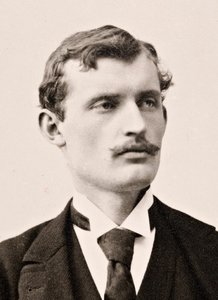
Edvard Munch
1863 - 1944 , Noorwegen
Belangrijkste feiten
- Artistic Movement Or Style: Expressionisme
- Artists Or Movements Influenced By This Artist: ['Duits Expressionisme']
- Artists Who Influenced This Artist:
- Paul Gauguin
- Van Gogh
- Date Of Birth: 12 december 1863
- Date Of Death: 23 januari 1944
- Full Name: Edvard Munch
- Nationality: Noors
- Notable Artworks:
- The Scream
- Madonna
- The Sick Child
- Place Of Birth: Ådalsbruk, Zweden
Gerelateerde artikelen

Top 10 Expressionistische Meesterwerken: Kunst die Échte Emotie Spreekt | AllPaintingsStore.nl
Ontdek de 10 meest iconische Expressionistische meesterwerken! Van Munch's 'De Schreeuw' tot Kandinsky's abstractie. Leer over de kunstenaars, technieken & emoties achter deze beweging. Museumkwaliteit reproducties op AllPaintingsStore.com.

Top 10 Expressionistische Meesterwerken: Kunst die de Ziel Raakt | AllPaintingsStore
Ontdek de 10 meest iconische Expressionistische meesterwerken! Duik in de emotionele wereld van Kirchner, Kandinsky & Nolde. Museumkwaliteit kunst reproducties voor uw interieur. Exploreer de collectie op AllPaintingsStore.com.

The Raw Emotion of Expressionism: A Deep Dive into its History, Characteristics & Enduring Influence
Explore the raw emotion of Expressionism with AllPaintingsStore. Discover its history, key artists like Kirchner & Munch, and lasting influence on modern art. Expert insights for collectors & enthusiasts.

Edvard Munch: Anxiety, Modernity & the Dawn of Expressionism
Explore the profound world of Edvard Munch, pioneer of Expressionism. Discover the origins of 'The Scream' & his haunting depictions of anxiety, mortality, and love. Expert analysis & high-quality reproductions at AllPaintingsStore.

Edvard Munch's Top 25 Meesterwerken: Kunst voor uw Interieur | AllPaintingsStore.com
Ontdek de 25 meest iconische schilderijen van Edvard Munch, meesterwerken van het expressionisme. Lees over angst, liefde & symboliek in zijn werk. Museumkwaliteit reproducties op AllPaintingsStore.com!