Voorvertoning
 Verstuur
 Delen
Delen
 Details bekijken
 Gids
Gids

 Download
 Vergelijkbare items
 Röntgenonderzoek
 Diavoorstelling
 Q&A
Q&A Statistieken
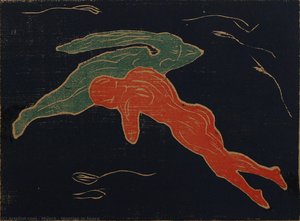
Night in St. Cloud

 Lees meer
Giclée / Kunstafdrukken
Giclée- of canvasafdruk van museumkwaliteit met een snelle productie en flexibele afwerkingsmogelijkheden. ( Bestel handgeschilderde reproductie Schakel over naar digitale afbeeldingen)




P118B €10

P118H €10

P118W €10

P438Z €10

P508JH €12

P508YH €12

P805H €10

P805Z €10

P919BZ €10

P919G €10

P919XJ €10

P959ZH €10

P968JZ €12

W106C €8

W218G €10

W218JH €8

W218Y €10

W307PJ €10

W316G €10

W316PJ €8

W316Y €10

W398PJ €8

W4111J €10

W500HY €15

W500JH €15

W692G €12

W849H €8

W940BG €15

W953PJ €8




Kies uit onze vooraf ingestelde maten die overeenkomen met de originele verhoudingen van het kunstwerk.

Voer de gewenste breedte en hoogte in, passend bij uw lijst of muur. Een afdruk kan alleen worden ingekort en nooit groter worden gemaakt dan het origineel; een formaat met andere verhoudingen zal daarom een deel van de afbeelding verliezen. Wij sturen u een digitaal mockup ter goedkeuring voordat we tot drukwerk overgaan. De afbeelding op deze pagina toont niet de werkelijke uitsnede — dit is alleen te zien op het mockup.
Wereldwijde levering () binnen 2 weken in plaats van de standaard 4/5 weken. (30 oktober)

Gratis wereldwijde expressverzending

Hoogwaardig linnen canvas

Volledige verzendverzekering

Garantie op terugbetaling van invoerrechten

Garantie op exacte kleurweergave

Retourbeleid van 100 dagen (alleen bij defecten)

100% Geld-terug-garantie

Korting bij meerdere afnames
 De optie voor glas is alleen beschikbaar bij een formaat kleiner dan 110 cm.

Night in St. Cloud
Giclée / Kunstafdrukken
Afmetingen reproductie
-


Eindtotaal
€ 58
Night in St. Cloud: A Study in Melancholy and Light
Edvard Munch’s “Night in St. Cloud,” painted in 1890, stands as a cornerstone of Expressionism—a movement that sought to convey inner emotional experience rather than objective reality. This haunting monochrome depiction captures the pervasive gloom of twilight over a tranquil landscape, yet it pulsates with an unsettling tension born from Munch’s deeply personal anxieties.
The painting showcases a simple room interior bathed in diffused light emanating from a window. Two chairs occupy the foreground, positioned strategically to draw the viewer's gaze inwards. Further back are two couches—one on the left and one on the right—creating a sense of spatial depth that reinforces the feeling of isolation. A solitary figure sits near the window, seemingly absorbed in contemplation, mirroring the artist’s own preoccupation with introspection.
Munch employed a technique characterized by loose brushstrokes and subtle gradations of tone – primarily shades of grey – to achieve an atmosphere of palpable sadness. Unlike Impressionists who aimed to capture fleeting moments of visual sensation, Munch prioritized conveying psychological states. The muted palette contributes significantly to the painting’s emotional resonance, mirroring the artist's internal turmoil.
Symbolism and Psychological Depth
“Night in St. Cloud” is laden with symbolic significance reflecting Munch’s preoccupation with themes of mortality and existential dread. The darkened room represents the subconscious mind—a space where fears and anxieties reside unseen. The window symbolizes a connection to the outside world, yet it offers no solace; instead, it illuminates the bleakness within. The solitary figure embodies vulnerability and loneliness – emotions central to Munch’s artistic vision.
The clock hanging on the wall serves as a poignant reminder of time's relentless march toward death—a motif recurrent in Munch’s oeuvre. It underscores the inescapable reality of human suffering and reinforces the painting’s overarching mood of melancholy. The artist himself described this piece as “a picture of my soul,” encapsulating its profound psychological depth.
Historical Context: Expressionism Emerges
Painted during a period marked by intellectual ferment and societal upheaval, "Night in St. Cloud" aligns itself with the burgeoning Expressionist movement. Influenced by Nietzsche’s philosophy and fueled by anxieties surrounding industrialization and urbanization, Expressionists rejected academic conventions in favor of subjective emotional expression.
Munch's work anticipated the broader artistic trends of the early 20th century—a shift away from representational art toward explorations of inner experience. He sought to depict not what he *saw*, but what he *felt*, establishing himself as a pivotal figure in shaping modern art’s preoccupation with psychological realism.
Emotional Impact: A Portrait of Inner Turmoil
"Night in St. Cloud" continues to captivate viewers today due to its ability to evoke profound emotional responses. The painting's subdued colors and unsettling composition convey a sense of unease and melancholy—a testament to Munch’s masterful manipulation of artistic technique to communicate psychological states.
Owning a high-quality reproduction allows you to experience the enduring power of this iconic artwork, transporting you into Munch’s world of anxiety and introspection. Let “Night in St. Cloud” inspire contemplation on themes of solitude, mortality, and the complexities of human emotion—a timeless masterpiece that speaks volumes about the human condition.
Veelgestelde vragen
Hoe kan ik de afbeelding van "Night in St. Cloud" door Edvard Munch downloaden?
"Night in St. Cloud" door Edvard Munch kan worden gedownload via de Downloaden-pagina van het kunstwerk, als een digitale afbeelding in hoge resolutie om te downloaden.
Wie is de maker van "Night in St. Cloud" en bij welke stroming hoort dit werk?
Edvard Munch creëerde "Night in St. Cloud" binnen de Expressionism-stroming.
Maakt "Night in St. Cloud" door Edvard Munch gebruik van sterke contrasten of zachte harmonieën?
De kleuranalyse van "Night in St. Cloud" door Edvard Munch legt een Gentle contrast en een Softly Mixed Palette harmonie vast.
Vergelijkbare kunstwerken


Biografie kunstenaar
Een Leven in Schaduw: De Wereld van Edvard Munch
Edvard Munch, geboren in 1863 te Ådalsbruk in Noorwegen, was een kunstenaar wiens werk synoniem werd met de angsten en emotionele onrust van het moderne tijdperk. Zijn leven, diep getekend door verlies en een allesdoordringende melancholie, vormde de bron van zijn expressieve kunst. Al vroeg in zijn jeugd, overschaduwd door de vroege dood van zijn moeder en zus – beiden ten prooi gevallen aan tuberculose – ontwikkelde Munch een spookachtige preoccupatie met sterfelijkheid, ziekte en de fragiliteit van het menselijk bestaan. Deze ervaringen waren niet slechts biografische details; ze werden de kern van zijn artistieke visie, die een onophoudelijke verkenning van het innerlijke landschap van angst, verdriet en hunkering aanwakkerde. De strenge religieuze overtuigingen van zijn vader en zijn eigen worstelingen met psychische aandoeningen droegen verder bij aan een gevoel van dreiging dat Munch’s wereld doordrong, waardoor niet alleen zijn persoonlijke leven maar ook de symbolische taal van zijn schilderijen werd gevormd. Hij portretteerde geen scènes; hij externaliseerde een interne staat en vertaalde psychologische nood in visuele vorm.
De Ontstaansgeschiedenis van Expressie: Invloeden en Artistieke Ontwikkeling
Munch’s artistieke reis begon met formele training aan de Koninklijke School voor Kunst en Design in Kristiania (Oslo), maar het was zijn ontmoeting met boheemse kringen en de nihilistische filosofie van Hans Jæger die zijn creatieve vuur echt aanwakkerde. Jæger moedigde Munch aan om conventionele academische stijlen te verlaten en zich in plaats daarvan onder te dompelen in de diepten van zijn eigen subjectieve ervaring, een concept dat hij “zielsschilderen” noemde. Deze cruciale verschuiving markeerde het begin van Munch’s kenmerkende stijl – gekenmerkt door rauwe emotie, vervormde vormen en een afwijzing van naturalistische weergave. Zijn reizen naar Parijs in de jaren 1890 brachten hem in contact met de opkomende post-impressionistische beweging, waar hij invloeden absorbeerde van kunstenaars als Paul Gauguin, Vincent van Gogh en Henri de Toulouse-Lautrec. Het gedurfde kleurgebruik, expressieve penseelstreken en psychologische intensiteit van deze meesters resoneerden diep met Munch’s eigen artistieke neigingen. Hij imiteerde hun technieken niet; hij synthetiseerde ze tot iets unieks – een visuele taal die in staat was om de meest diepe en verontrustende menselijke emoties over te brengen. Zijn tijd in Berlijn bleek ook cruciaal, waardoor hij in contact kwam met toneelschrijver August Strindberg, wiens verkenning van psychologische thema’s Munch’s artistieke onderzoek verder aanwakkerde.
Iconische Visioenen: Belangrijke Werken en Hun Symbolische Betekenis
Munch’s oeuvre wordt bevolkt door beelden die diep in het collectieve bewustzijn zijn gegrift. De Schreeuw, misschien wel zijn meest iconische werk, overstijgt zijn status als schilderij om een universeel symbool van existentieel angst te worden. Het wervelende, vurige landschap en het contornerende gezicht van de figuur belichamen een oergevoel tegen de onverschilligheid van het universum. Madonna, een controversieel en diep persoonlijk stuk, onderzoekt thema’s als seksualiteit, moederschap en sterfelijkheid met verontrustende openhartigheid. Terugkerende motieven zoals Het Zieke Kind – geïnspireerd door het verlies van zijn zus Sophie – dienen als ontroerende herinneringen aan Munch’s jeugdtrauma en de alomtegenwoordige schaduw van de dood. Melancholie I & II, krachtige afbeeldingen van diepe droefheid en isolatie, onthullen een kwetsbaarheid die zowel persoonlijk als universeel herkenbaar is. Deze werken zijn niet simpelweg representaties van de externe realiteit; ze zijn vensters naar de ziel van de kunstenaar, die kijkers een compromisloze blik bieden op de donkerste hoeken van het menselijk psyche. Munch streefde er niet naar om mooie beelden te creëren; hij zocht naar waarheid – zelfs als die waarheid pijnlijk en verontrustend was.
Een Blijvende Erfenis: Historische Betekenis en Voortdurende Invloed
Edvard Munch’s bijdrage aan de moderne kunst is onmeetbaar. Hij staat als een sleutelfiguur in de ontwikkeling van het expressionisme, die baanbaande weg voor kunstenaars die subjectieve emotie boven objectieve weergave stelden. Zijn compromisloze verkenning van universele menselijke ervaringen – liefde, verlies, angst en dood – blijft tot op de dag van vandaag resoneren met publiek, waardoor zijn plaats als een van de meest invloedrijke en duurzame figuren in de kunstgeschiedenis wordt verstevigd. Zijn werk heeft generaties kunstenaars diepgaand beïnvloed, bewegingen zoals het Duitse expressionisme en daarbuiten beïnvloedend. Hij durfde de donkerdere aspecten van de menselijke conditie te confronteren, waarbij hij conventionele opvattingen over schoonheid en artistieke representatie uitdaagde. Zelfs na het bereiken van roem en erkenning – culminerend in de oprichting van het Munch Museum in Oslo – bleef zijn persoonlijke leven turbulent, gekenmerkt door periodes van psychische instabiliteit en isolatie. Toch bleef hij creëren, waardoor een oeuvre achterbleef dat blijft provoceren, uitdagen en inspireren. Munch’s erfenis gaat niet alleen over de schilderijen zelf; het gaat om de moed om de complexiteit van het menselijk bestaan te confronteren en die ervaringen in kunst te vertalen die spreken tot de diepste delen van ons wezen.
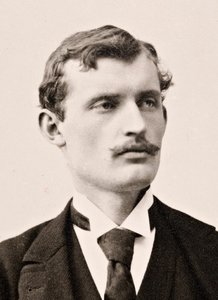
Edvard Munch
1863 - 1944 , Noorwegen
Belangrijkste feiten
- Artistic Movement Or Style: Expressionisme
- Artists Or Movements Influenced By This Artist: ['Duits Expressionisme']
- Artists Who Influenced This Artist:
- Paul Gauguin
- Van Gogh
- Date Of Birth: 12 december 1863
- Date Of Death: 23 januari 1944
- Full Name: Edvard Munch
- Nationality: Noors
- Notable Artworks:
- The Scream
- Madonna
- The Sick Child
- Place Of Birth: Ådalsbruk, Zweden
Gerelateerde artikelen

Top 10 Witte Meesterwerken: Kunstgeschiedenis & Interieurinspiratie
Ontdek de top 10 witte meesterwerken uit de kunstgeschiedenis! Van Monet tot Mondriaan, bewonder abstracte vormen & serene kleuren. Vind museumkwaliteit reproducties en interieurinspiratie op AllPaintingsStore.com.

Meesterwerken in Zwart: Top 10 Schilderijen Gedreven door Donkere Tinten | AllPaintingsStore.nl
Ontdek de kracht van donker! Verlies jezelf in onze top 10 zwarte schilderijen, van Caravaggio tot Manet. Leer over meesterwerken, technieken & emotie. Museumkwaliteit reproducties op AllPaintingsStore.com – Kunst voor uw interieur.

Edvard Munch: Anxiety, Modernity & the Dawn of Expressionism
Explore the profound world of Edvard Munch, pioneer of Expressionism. Discover the origins of 'The Scream' & his haunting depictions of anxiety, mortality, and love. Expert analysis & high-quality reproductions at AllPaintingsStore.

Edvard Munch's Top 25 Meesterwerken: Kunst voor uw Interieur | AllPaintingsStore.com
Ontdek de 25 meest iconische schilderijen van Edvard Munch, meesterwerken van het expressionisme. Lees over angst, liefde & symboliek in zijn werk. Museumkwaliteit reproducties op AllPaintingsStore.com!

Top 10 Expressionistische Meesterwerken: Kunst die Échte Emotie Spreekt | AllPaintingsStore.nl
Ontdek de 10 meest iconische Expressionistische meesterwerken! Van Munch's 'De Schreeuw' tot Kandinsky's abstractie. Leer over de kunstenaars, technieken & emoties achter deze beweging. Museumkwaliteit reproducties op AllPaintingsStore.com.