


 Voorvertoning
 Verstuur
 Delen
Delen
 Details bekijken
 Gids
Gids

 Download
 Vergelijkbare items
 Röntgenonderzoek
 Diavoorstelling
 Q&A
Q&A Statistieken
Apotheek
 Acryl op canvas
- Wanddecoratie
- Hedendaags realisme
 1927
1927- Moderne tijd
 Museum van Kunst en Geschiedenis
 Lees meer
De kunstwerken die op deze pagina worden weergegeven, zijn beschermd door de auteursrechtwetgeving, wat betekent dat het ons wettelijk niet is toegestaan om identieke reproducties te maken of te verkopen. Deze bescherming wordt gehandhaafd onder internationale overeenkomsten zoals de Conventie van Bern en door nationale wetgeving, waaronder de bepalingen van de Amerikaanse auteurswet - Titel 17. Alle rechten voorbehouden. Reproduceren of distribueren van afbeeldingen is niet toegestaan zonder uitdrukkelijke schriftelijke toestemming van WahooArt.com en de rechthebbenden.
Deze methode voldoet volledig aan de auteursrechtwetgeving, omdat het niet gaat om het kopiëren of dupliceren van het beschermde kunstwerk. In plaats daarvan is er sprake van een creatieve herinterpretatie — een nieuw schilderij dat door het origineel wordt geïnspireerd, maar er niet identiek aan is.
Giclée / Kunstafdrukken
Giclée- of canvasafdruk van museumkwaliteit met een snelle productie en flexibele afwerkingsmogelijkheden. ( Bestel handgeschilderde reproductie Schakel over naar digitale afbeeldingen)




P118B €10

P118H €10

P118W €10

P438Z €10

P508JH €12

P508YH €12

P805H €10

P805Z €10

P919BZ €10

P919G €10

P919XJ €10

P959ZH €10

P968JZ €12

W106C €8

W218G €10

W218JH €8

W218Y €10

W307PJ €10

W316G €10

W316PJ €8

W316Y €10

W398PJ €8

W4111J €10

W500HY €15

W500JH €15

W692G €12

W849H €8

W940BG €15

W953PJ €8




Kies uit onze vooraf ingestelde maten die overeenkomen met de originele verhoudingen van het kunstwerk.

Voer de gewenste breedte en hoogte in, passend bij uw lijst of muur. Een afdruk kan alleen worden ingekort en nooit groter worden gemaakt dan het origineel; een formaat met andere verhoudingen zal daarom een deel van de afbeelding verliezen. Wij sturen u een digitaal mockup ter goedkeuring voordat we tot drukwerk overgaan. De afbeelding op deze pagina toont niet de werkelijke uitsnede — dit is alleen te zien op het mockup.
Wereldwijde levering () binnen 2 weken in plaats van de standaard 4/5 weken. (30 oktober)

Gratis wereldwijde expressverzending

Hoogwaardig linnen canvas

Volledige verzendverzekering

Garantie op terugbetaling van invoerrechten

Garantie op exacte kleurweergave

Retourbeleid van 100 dagen (alleen bij defecten)

100% Geld-terug-garantie

Korting bij meerdere afnames
 De optie voor glas is alleen beschikbaar bij een formaat kleiner dan 110 cm.

Apotheek
Giclée / Kunstafdrukken
Afmetingen reproductie
-


Eindtotaal
€ 58
Een Stil Moment in de Stad: Het Verkennen van Edward Hopper's "Drug Store" (1927)
“Drug Store,” geschilderd in 1927 door de Amerikaanse meester Edward Hopper, is een aangrijpend portret van het stadsleven – een alledaags tafereel weergegeven met zijn kenmerkende mengeling van realisme en subtiele emotionele resonantie. Dit olieverf op doek nodigt de toeschouwer uit in een gesuspenseerd winterlandschap, gedomineerd door de fel verlichte gevel van een apotheek. Het is niet slechts een vastlegging van een plek, maar een verkenning van moderne isolatie en de stille ritmes van Amerikaanse stadjes.Onderwerp & Compositie: Een Toneel voor het Moderne Leven
Het schilderij concentreert zich op de gevel van een apotheek, wiens grote raam diverse waren tentoonstelt – waarschijnlijk middelen en alledaagse benodigdheden. Sneeuw bedekt de straat, wat een gevoel van stilte creëert en de geometrische vormen van het gebouw benadrukt. Hoppers compositie is opzettelijk vlak; we bekijken het tafereel vanuit een licht verhoogd perspectief, alsof men het observeert vanaf de overkant van de straat of misschien zelfs vanuit een raam op een hogere verdieping. Dit standpunt draagt bij aan het gevoel van afstandelijkheid. De sterke horizontale lijnen van de winkelpui worden in evenwicht gehouden door de verticaliteit van de gebouwen en de gesuggereerde diepte van de besneeuwde straat. De apotheek zelf wordt een toneel, wiens verlichte binnenkant contrasteert met de gedempte tinten van het winterlandschap.Stijl & Techniek: Realisme Doordrenkt met Emotie
Hoppers stijl is stevig geworteld in het realisme, maar overstijgt eenvoudige representatie. Hij streeft niet naar fotografische nauwkeurigheid, maar gebruikt eerder vorm en licht om een specifieke stemming over te brengen. De penseelstreken zijn zichtbaar – niet overweldigend zo, maar genoeg om de textuur van de verf en de hand van de kunstenaar te onthullen. Deze techniek geeft het werk een enigszins impressionistische kwaliteit, die randen verzacht en een gevoel van sfeer creëert. Hopper gebruikt olieverf meesterlijk in lagen, waardoor diepte ontstaat en hij de subtiele nuances van licht vangt dat weerkaatst op sneeuw en glas. De koele kleurenpalet – blauwen, grijzen en wit – domineert, onderbroken door warmere roden en geel in de etalage, wat strategisch het oog trekt.Historische Context & Invloeden
Geschilderd tijdens de Roaring Twenties, een periode van snelle sociale en economische verandering in Amerika, weerspiegelt “Drug Store” een groeiend gevoel van vervreemding te midden van de modernisering. Hopper werd beïnvloed door Franse realisten als Édouard Manet en Edgar Degas, die hun focus op het dagelijks leven overnamen maar dit verrijkten met een uniek Amerikaans gevoel. Hij putte ook inspiratie uit de geschriften van Ralph Waldo Emerson, die individualisme en introspectie benadrukte. In tegenstelling tot veel kunstenaars uit zijn tijd die abstractie of Europese avant-garde bewegingen omarmden, bleef Hopper vastbesloten om de wereld te schilderen zoals hij die zag – een wereld vaak gekenmerkt door eenzaamheid en stille wanhoop.Symboliek & Emotionele Impact
De symboliek in “Drug Store” is subtiel maar krachtig. De apotheek zelf kan worden geïnterpreteerd als zowel symbool van genezing als kwetsbaarheid – een plek waar mensen op zoek gaan naar verlichting, maar ook een herinnering aan hun fysieke broosheid. De lege straat en het ontbreken van menselijke figuren versterken het gevoel van isolatie. Het schilderij roept gevoelens op van stilte, melancholie en misschien zelfs een vleugje onbehagen. Het is een scène die resoneert met toeschouwers omdat het aansluit bij universele ervaringen van eenzaamheid en de zoektocht naar verbinding in een steeds meer onpersoonlijke wereld.Een Tijdloos Aantrekkingskracht
“Drug Store” blijft een van Hoppers meest herkenbare werken, dat publiek betovert met zijn stille schoonheid en diepe emotionele lading. Zijn blijvende aantrekkingskracht ligt in het vermogen om een specifiek moment vast te leggen terwijl het tegelijkertijd spreekt over tijdloze thema's van de menselijke ervaring. Of u nu een kunstverzamelaar bent, interieurontwerper op zoek naar een stuk dat tot contemplatie aanzet, of simpelweg een bewonderaar van Amerikaans realisme, “Drug Store” biedt een boeiende en prikkelende visuele ervaring.Veelgestelde vragen
Welke emotie straalt "Apotheek" door Edward Hopper uit?
"Apotheek" roept een Melancholisch gevoel op. De emotionele toon beschrijft de indruk die het werk achterlaat.
In welk museum is het originele werk "Apotheek" te zien?
"Apotheek" door Edward Hopper is te zien in Museum van Kunst en Geschiedenis, Boston, Verenigde Staten van Amerika. De vermelding van het museum heeft betrekking op het originele werk, niet op reproducties.
Hoe intens zijn de kleuren van "Apotheek" door Edward Hopper?
"Apotheek" door Edward Hopper heeft een Gebalanceerd kleurintensiteit.
Vergelijkbare kunstwerken


Biografie kunstenaar
A Solitude Observed: The Life and Art of Edward Hopper
Edward Hopper, a name inextricably linked to the quietude and subtle melancholy that permeated 20th-century American life, wasn’t simply a painter of scenes; he was a poet of light and shadow, a chronicler of modern isolation. Born in Nyack, New York, in 1882, to middle-class parents of Dutch ancestry, Hopper's early years provided a stable upbringing that nurtured his artistic inclinations. From childhood sketches meticulously dated and signed, it became evident that keen observation and an innate talent for drawing were central to his being. Though initially encouraged towards commercial illustration – a pragmatic suggestion from his parents – Hopper’s ambitions leaned toward fine art, leading him to the New York School of Art where he studied under William Merritt Chase and Robert Henri. These formative years instilled not only technical skill but also an appreciation for realism and a commitment to depicting the world as he saw it—unvarnished and honest. The writings of Ralph Waldo Emerson resonated deeply with Hopper, reinforcing his sense of individualism and acute observation – qualities that would become hallmarks of his artistic vision. Early travels to Paris exposed him to Impressionism, yet Hopper quickly diverged from its fleeting brushstrokes, forging a path uniquely his own.Finding His Voice: Realism and the American Scene
Hopper’s artistic journey wasn't immediate or effortless. He grappled with discovering his distinctive voice, experimenting with various styles before settling into the realism that would define his career. This wasn’t mere replication of reality; it was a distillation of its essence, stripping away extraneous detail to reveal underlying emotional truths. His paintings began to focus on everyday scenes – houses, diners, offices, hotel rooms – imbued with a sense of stillness and often, loneliness. He possessed an extraordinary ability to capture the psychological states of his subjects, hinting at narratives without explicitly stating them. The precise rendering of light and shadow became crucial, not merely as descriptive elements but as emotional cues, creating atmospheres that were both captivating and unsettling. House by the Railroad (1925), an early masterpiece, exemplifies this approach—a seemingly simple composition radiating a profound sense of isolation and mystery. Hopper’s printmaking, often overlooked, ran parallel to his painting, sharing similar themes and stylistic qualities, demonstrating his mastery across mediums. He wasn't interested in grand historical narratives or allegorical symbolism; he focused on the mundane, elevating it through careful observation and emotional resonance.Iconic Visions: Nighthawks and Beyond
While Hopper’s career unfolded gradually, certain works catapulted him to widespread recognition. Nighthawks (1942), arguably his most famous painting, became an instant icon of American culture. The late-night diner scene, bathed in stark fluorescent light, perfectly encapsulates the alienation and anonymity of modern urban life. The figures within are lost in their own thoughts, disconnected from one another despite their proximity—a poignant commentary on the human condition. Gas (1940), with its striking portrayal of a roadside gas station, showcases Hopper’s fascination with American landscapes and the burgeoning automobile culture. Other notable works like *Automat*, *Office in a Small City*, and *Summertime* each offer unique insights into the complexities of 20th-century American society. These paintings weren't merely depictions of places; they were explorations of mood, psychology, and the subtle dramas unfolding within ordinary settings. His wife, Josephine Nivison Hopper, played a vital role not only as his lifelong companion but also as a frequent model, contributing significantly to the characterization of his female figures.Themes and Legacy: A Lasting Influence
Several recurring themes permeate Hopper’s oeuvre. Urban isolation is perhaps the most prominent—the sense of loneliness experienced by individuals even amidst crowds. He explored the American landscape, both rural and urban, often emphasizing its starkness and emptiness. His work delves into psychological realism, probing the inner lives of his subjects with a sensitivity that transcends mere representation. There’s also an undercurrent of nostalgia for a simpler past, juxtaposed with an acknowledgement of the complexities and anxieties of modern life. Hopper's influence on subsequent artists is undeniable. His unique style has inspired countless painters, including Pierre Sanford Ross, and continues to resonate with contemporary artists seeking to capture the essence of human experience. His paintings remain highly sought after by collectors and are exhibited in major museums worldwide, solidifying his place as a pivotal figure in American art history. More than just an artist, Edward Hopper was a visual philosopher, offering profound insights into the human condition through his masterful use of light, shadow, and composition.- His legacy lies not only in the beauty of his paintings but also in their enduring ability to provoke thought, evoke emotion, and remind us of the quiet solitude that often defines our lives.
- Hopper’s work continues to captivate audiences because it speaks to universal themes of loneliness, isolation, and the search for meaning in a rapidly changing world.
- His paintings have become iconic representations of American culture, often used to symbolize the anxieties and aspirations of the 20th century—and beyond.
- Hopper’s aesthetic has profoundly influenced filmmakers (like Alfred Hitchcock) and writers, inspiring countless works that explore similar themes of alienation and psychological tension.
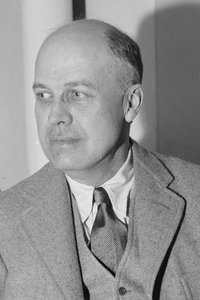
Edward Hopper
1931 - 1967 , Verenigde Staten van Amerika
Belangrijkste feiten
- Artistic Movement Or Style: Realisme
- Artists Or Movements Influenced By This Artist: ['Ross']
- Artists Who Influenced This Artist:
- Chase
- Henri
- Date Of Birth: 22 juli 1882
- Date Of Death: 15 mei 1967
- Full Name: Edward Hopper
- Nationality: Amerikaans
- Notable Artworks:
- Nighthawks
- House
- Gas
- Place Of Birth: Nyack, USA
Gerelateerde artikelen

American Realism for Hospitality Design: A Professional Guide to Integrating Authentic Urban and Coastal Masterpieces
Elevate hospitality interiors with American Realism. Our expert guide for designers covers selecting iconic Edward Hopper-style reproductions, custom multi-panel layouts, and efficient bulk procurement of hand-painted oil masterpieces for hotels and corporate spaces.


