


 Voorvertoning
 Verstuur
 Delen
Delen
 Details bekijken
 Gids
Gids

 Download
 Vergelijkbare items
 Röntgenonderzoek
 Diavoorstelling
 Q&A
Q&A Statistieken
Saltillo rooftops

 Lees meer
Ontvang een bestand dat klaar is voor drukwerk en de kwaliteit van het online voorbeeld ver overstijgt. Elke digitale afbeelding die wij verkopen, is afkomstig van een high-resolution master uit onze database — meestal tussen de 5.000 en 15.000 pixels breed — zodat u met vertrouwen groot kunt afdrukken, nauwkeurig kunt bijsnijden of fijne details kunt reproduceren.
Geen enkel bestand verlaat ons atelier onbewerkt. Een digitaal expert controleert de kleuren aan de hand van het originele schilderij en corrigeert deze indien nodig, om vervolgens de helderheid en details te verbeteren met professionele retoucheertechnieken — waarbij de penseelstreek en stijl van de kunstenaar altijd strikt worden gerespecteerd. Het resultaat is een afbeelding die oogt als het schilderij zelf, en niet als een gescande foto met een filter.
U keurt goed voordat het proces wordt afgerond: onze expert stuurt de afbeelding binnen 72 uur per e-mail naar u toe ter beoordeling. Niet tevreden? Vraag om verbeteringen of correcties, of vraag een terugbetaling aan als de kwaliteit niet voldoet.
Dit is de kwaliteit waarop uitgevers, designstudio's, galeries en drukkerijen vertrouwen.
Digitale afbeeldingen
Download een bestand met hoge resolutie voor persoonlijke weergave, afdrukken en creatieve projecten. ( Schakel over naar print Bestel handgeschilderde reproductie)
Inbegrepen bij elke bestelling van een digitale afbeelding
Professionele digitale levering, gegarandeerd
Wanneer u kiest voor AllPaintingsStore.com, ontvangt u niet alleen een afbeelding – u krijgt een professioneel verbeterd digitaal kunstwerk, met precisie vervaardigd en voorzien van een tevredenheidsgarantie. Dit is alles wat automatisch bij uw bestelling is inbegrepen:

Snelle levering per e-mail
Uw hoogwaardige digitale afbeeldingsbestand wordt binnen 72 uur na bestelling naar u gemaild – klaar voor direct gebruik.

AI-verbeterd digitaal bestand
Uw kunstwerk wordt professioneel geoptimaliseerd met behulp van geavanceerde AI-tools en handmatige bewerkingen, waardoor maximale details, helderheid en kleurnauwkeurigheid worden gegarandeerd.

Gratis levenslange herlevering van digitale bestanden
Je bestand per ongeluk verwijderd of kwijtgeraakt? Geen zorgen – we sturen het u op elk gewenst moment gratis opnieuw toe.

Geen invoerkosten – nooit
Geniet direct van uw kunstwerk zonder invoerrechten, belastingen of verzendkosten – digitale downloads zijn altijd belastingvrij.

Garantie op kleurgetrouwheid
Met behulp van professionele hulpmiddelen en kleurbeheer zorgen wij ervoor dat uw digitale afbeelding de originele kleuren zo nauwkeurig mogelijk weergeeft.

100 dagen tevredenheidsgarantie
Mocht u niet tevreden zijn met uw digitale afbeelding, dan passen wij deze aan of storten wij 100% terug binnen 100 dagen – zonder vragen te stellen.

100% Geld-terug-garantie
Niet tevreden? Ontvang een volledige terugbetaling binnen 100 dagen na ontvangst van uw digitale bestand – zonder vragen te stellen.

Korting bij grote bestellingen
Koop 3 afbeeldingen, bespaar 10% - Koop 5, bespaar 15% - Koop 10+, bespaar 20%. Ideaal voor creatieve projecten, galerieën en bureaus.
Saltillo Rooftops: A Study in Quietude and Urban Isolation
Edward Hopper’s “Saltillo Rooftops,” painted in 1943, isn't merely a depiction of a small Mexican village; it’s a distilled essence of modern American experience – a poignant meditation on solitude, observation, and the subtle alienation inherent in urban life. Born in Nyack, New York, Hopper possessed an innate ability to capture the unspoken narratives within seemingly ordinary scenes, and this painting exemplifies that talent with remarkable precision. The work transports us to Saltillo, a town nestled amidst the rolling hills of Mexico, viewed from the rooftop of a modest hotel – a vantage point offering both a panoramic vista and a profound sense of detachment. Hopper’s signature style—characterized by stark lighting, simplified forms, and an emphasis on geometric composition—is powerfully evident here. The muted palette of ochre, gray, and pale blue evokes a feeling of stillness, while the sharp angles of the rooftops and buildings create a visual rhythm that subtly underscores the painting's underlying sense of isolation.A Glimpse into Hopper’s Process: Inspiration and Context
The genesis of “Saltillo Rooftops” lies in Hopper’s summer sojourn to Mexico with his wife, Josephine. Seeking respite from the bustling energy of New York City, they traveled to Saltillo, a town known for its picturesque setting and cooler climate. Hopper meticulously documented this experience through watercolor and graphite, capturing not just the physical landscape but also the emotional atmosphere he encountered. Interestingly, Hopper’s notes reveal that he initially considered the title “Night Hawks,” referencing the predatory birds often seen circling at dusk – a subtle metaphor for the watchful, perhaps lonely, figures inhabiting the scene. The painting's creation coincided with a period of intense introspection in Hopper’s work, reflecting his growing fascination with themes of urban isolation and the quiet dramas unfolding within everyday life. The influence of Ernest Hemingway’s short stories, particularly “The Killers,” is often cited as a potential source of inspiration, though Hopper himself described the painting as capturing "the loneliness of a large city."Symbolism and Composition: Deconstructing the Scene
Beyond its immediate visual appeal, “Saltillo Rooftops” is rich in symbolic detail. The prominent guns positioned in the foreground—a jarring element within the otherwise peaceful setting—are particularly intriguing. While their exact significance remains open to interpretation, they can be viewed as a commentary on the potential for conflict and violence lurking beneath the surface of seemingly tranquil communities. The church steeple towering over the town serves as a visual anchor, representing faith and tradition amidst the modern landscape. The scattered figures below – a few individuals standing near the church, others further away – suggest a sense of community, yet their distance from one another reinforces the painting’s overarching theme of isolation. Hopper's masterful use of light and shadow creates a dramatic interplay between illumination and darkness, drawing the viewer's eye to key elements while simultaneously emphasizing the emptiness of the scene. The sharp lines of the buildings contrast with the softer curves of the hills in the background, further contributing to the painting’s dynamic composition.The Enduring Legacy: A Masterpiece of American Realism
“Saltillo Rooftops” stands as a quintessential example of Edward Hopper's unique artistic vision—a poignant exploration of the human condition within the context of modern America. Its quiet intensity, evocative atmosphere, and subtle symbolism continue to resonate with viewers today, cementing its place as one of Hopper’s most celebrated works. Reproductions of this painting offer a remarkable opportunity to experience the depth and complexity of Hopper's art firsthand, allowing us to contemplate the beauty and melancholy inherent in everyday moments. Whether displayed in a contemporary interior or studied within an art history classroom, “Saltillo Rooftops” remains a powerful testament to Hopper’s ability to capture the essence of human experience with remarkable clarity and emotional resonance.Veelgestelde vragen
Waar kan ik statistieken vinden over "Saltillo rooftops" door Edward Hopper?
De Statistieken-pagina van "Saltillo rooftops" door Edward Hopper toont statistieken over de publieksbezoeken: het aantal maandelijkse bezoeken aan dit kunstwerk, een vergelijking met de meest bekeken werken van de kunstenaar en de herkomst van de bezoekers.
Hoe verhoudt "Saltillo rooftops" zich tot het oeuvre van Edward Hopper?
"Saltillo rooftops" behoort tot het American Realism-werk van Edward Hopper, waarvan de bekende thema's onder meer urban isolation, american realism, post-war anxieties, social themes, regional settings, quiet scenes, melancholy mood, solitude theme omvatten.
Hoe verhoudt het onderwerp van "Saltillo rooftops" zich tot de gebruikelijke thema's van Edward Hopper?
De terugkerende thema's van Edward Hopper omvatten urban isolation, american realism, post-war anxieties, social themes, regional settings, quiet scenes, melancholy mood, solitude theme; "Saltillo rooftops" richt zich op village, rooftops, church, guns, townscape, isolation, shadows.
Vergelijkbare kunstwerken


Kunstenaarsbiografie
A Solitude Observed: The Life and Art of Edward Hopper
Edward Hopper, a name inextricably linked to the quietude and subtle melancholy that permeated 20th-century American life, wasn’t simply a painter of scenes; he was a poet of light and shadow, a chronicler of modern isolation. Born in Nyack, New York, in 1882, to middle-class parents of Dutch ancestry, Hopper's early years provided a stable upbringing that nurtured his artistic inclinations. From childhood sketches meticulously dated and signed, it became evident that keen observation and an innate talent for drawing were central to his being. Though initially encouraged towards commercial illustration – a pragmatic suggestion from his parents – Hopper’s ambitions leaned toward fine art, leading him to the New York School of Art where he studied under William Merritt Chase and Robert Henri. These formative years instilled not only technical skill but also an appreciation for realism and a commitment to depicting the world as he saw it—unvarnished and honest. The writings of Ralph Waldo Emerson resonated deeply with Hopper, reinforcing his sense of individualism and acute observation – qualities that would become hallmarks of his artistic vision. Early travels to Paris exposed him to Impressionism, yet Hopper quickly diverged from its fleeting brushstrokes, forging a path uniquely his own.Finding His Voice: Realism and the American Scene
Hopper’s artistic journey wasn't immediate or effortless. He grappled with discovering his distinctive voice, experimenting with various styles before settling into the realism that would define his career. This wasn’t mere replication of reality; it was a distillation of its essence, stripping away extraneous detail to reveal underlying emotional truths. His paintings began to focus on everyday scenes – houses, diners, offices, hotel rooms – imbued with a sense of stillness and often, loneliness. He possessed an extraordinary ability to capture the psychological states of his subjects, hinting at narratives without explicitly stating them. The precise rendering of light and shadow became crucial, not merely as descriptive elements but as emotional cues, creating atmospheres that were both captivating and unsettling. House by the Railroad (1925), an early masterpiece, exemplifies this approach—a seemingly simple composition radiating a profound sense of isolation and mystery. Hopper’s printmaking, often overlooked, ran parallel to his painting, sharing similar themes and stylistic qualities, demonstrating his mastery across mediums. He wasn't interested in grand historical narratives or allegorical symbolism; he focused on the mundane, elevating it through careful observation and emotional resonance.Iconic Visions: Nighthawks and Beyond
While Hopper’s career unfolded gradually, certain works catapulted him to widespread recognition. Nighthawks (1942), arguably his most famous painting, became an instant icon of American culture. The late-night diner scene, bathed in stark fluorescent light, perfectly encapsulates the alienation and anonymity of modern urban life. The figures within are lost in their own thoughts, disconnected from one another despite their proximity—a poignant commentary on the human condition. Gas (1940), with its striking portrayal of a roadside gas station, showcases Hopper’s fascination with American landscapes and the burgeoning automobile culture. Other notable works like *Automat*, *Office in a Small City*, and *Summertime* each offer unique insights into the complexities of 20th-century American society. These paintings weren't merely depictions of places; they were explorations of mood, psychology, and the subtle dramas unfolding within ordinary settings. His wife, Josephine Nivison Hopper, played a vital role not only as his lifelong companion but also as a frequent model, contributing significantly to the characterization of his female figures.Themes and Legacy: A Lasting Influence
Several recurring themes permeate Hopper’s oeuvre. Urban isolation is perhaps the most prominent—the sense of loneliness experienced by individuals even amidst crowds. He explored the American landscape, both rural and urban, often emphasizing its starkness and emptiness. His work delves into psychological realism, probing the inner lives of his subjects with a sensitivity that transcends mere representation. There’s also an undercurrent of nostalgia for a simpler past, juxtaposed with an acknowledgement of the complexities and anxieties of modern life. Hopper's influence on subsequent artists is undeniable. His unique style has inspired countless painters, including Pierre Sanford Ross, and continues to resonate with contemporary artists seeking to capture the essence of human experience. His paintings remain highly sought after by collectors and are exhibited in major museums worldwide, solidifying his place as a pivotal figure in American art history. More than just an artist, Edward Hopper was a visual philosopher, offering profound insights into the human condition through his masterful use of light, shadow, and composition.- His legacy lies not only in the beauty of his paintings but also in their enduring ability to provoke thought, evoke emotion, and remind us of the quiet solitude that often defines our lives.
- Hopper’s work continues to captivate audiences because it speaks to universal themes of loneliness, isolation, and the search for meaning in a rapidly changing world.
- His paintings have become iconic representations of American culture, often used to symbolize the anxieties and aspirations of the 20th century—and beyond.
- Hopper’s aesthetic has profoundly influenced filmmakers (like Alfred Hitchcock) and writers, inspiring countless works that explore similar themes of alienation and psychological tension.
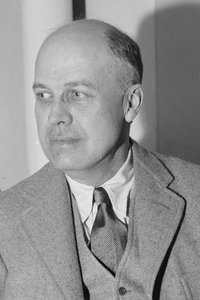
Edward Hopper
1931 - 1967 , Verenigde Staten van Amerika
Belangrijkste feiten
- Artistic Movement Or Style: Realisme
- Artists Or Movements Influenced By This Artist: ['Ross']
- Artists Who Influenced This Artist:
- Chase
- Henri
- Date Of Birth: 22 juli 1882
- Date Of Death: 15 mei 1967
- Full Name: Edward Hopper
- Nationality: Amerikaans
- Notable Artworks:
- Nighthawks
- House
- Gas
- Place Of Birth: Nyack, USA

