


 Bekijk op ware grootte
 Verstuur
 Delen
Delen
 Details bekijken
 Gids
Gids

 Download
 Vergelijkbare items
 Röntgenonderzoek
 Diavoorstelling
 Statistieken
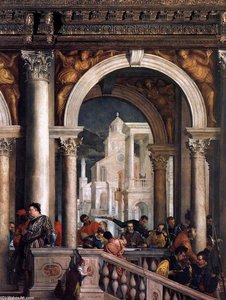
Alexander and the Gordian Knot
 Oil On Canvas
- WallArt
- Baroque
 73.0 x 61.0 cm
 Reading Museum
 Lees meer
Handgemaakte olieverfreproductie
Met de hand geschilderd in olieverf op canvas in uw gewenste maat en lijst, op bestelling gemaakt door onze kunstenaars. ( Schakel over naar print Schakel over naar digitale afbeeldingen)




P118B $10

P118H $10

P118W $10

P438Z $10

P508JH $12

P508YH $12

P805H $10

P805Z $10

P919BZ $10

P919G $10

P919XJ $10

P959ZH $10

P968JZ $12

W106C $8

W218G $10

W218JH $8

W218Y $10

W307PJ $10

W316G $10

W316PJ $8

W316Y $10

W398PJ $8

W4111J $10

W500HY $15

W500JH $15

W692G $12

W849H $8

W940BG $15

W953PJ $8




Kies uit onze vooraf ingestelde maten die overeenkomen met de originele verhoudingen van het kunstwerk.

U kunt uw eigen afmetingen invoeren om in een specifieke lijst of ruimte te passen. Als de door u gekozen maat niet overeenkomt met de verhoudingen van het originele beeld, zullen we het kunstwerk bijsnijden of het schilderij uitbreiden met extra handgeschilderde elementen. Een digitale mockup wordt ter goedkeuring naar u verzonden voordat de productie begint.
Houd er rekening mee dat de preview op het scherm niet de werkelijke uitsnede of uitbreiding weergeeft. Alleen de mockup toont de uiteindelijke compositie nauwkeurig.
Hoewel aangepaste afmetingen mogelijk zijn, raden we aan een maat uit de vooraf gedefinieerde lijst te selecteren om de originele verhoudingen te behouden.
Na de bestelling zal het team van AllPaintingsStore.com per e-mail contact opnemen met de klant voor instructies en een mockup-voorbeeld sturen.
Wereldwijde levering () binnen 3 tot 4 weken in plaats van de standaard 5 weken. (21 september). Zonder concessies aan de kwaliteit.

Gratis wereldwijde expressverzending

Hoogwaardig linnen canvas

Volledige verzendverzekering

Garantie op terugbetaling van invoerrechten

Garantie op exacte kleurweergave

Retourbeleid van 100 dagen (alleen bij defecten)

100% Geld-terug-garantie

Korting bij meerdere afnames
 De optie voor glas is alleen beschikbaar bij een formaat kleiner dan 110 cm.

Alexander and the Gordian Knot
Reproductiemethode
Formaat reproductie
-


Totaalprijs
$ 358
A Vision of Imperial Power: Giovanni Paolo Panini’s “Alexander and the Gordian Knot”
Giovanni Paolo Panini's "Alexander and the Gordian Knot," a monumental oil painting, isn’t merely a historical depiction; it’s a meticulously crafted illusion—a window into a world of Roman grandeur and imperial authority. Completed around 1718-1719, this work transports the viewer to a vast, colonnaded hall, brimming with figures representing the power and wealth of Alexander the Great. The scene pulsates with a carefully orchestrated drama, dominated by diagonal lines that draw the eye through the bustling activity, creating a sense of dynamic movement within a formally structured composition. Panini masterfully employs chiaroscuro – the dramatic interplay of light and shadow – to sculpt forms, highlighting key figures like Alexander himself and emphasizing the monumental scale of the architecture. The painting speaks not just of a historical event but of the very essence of power, tribute, and the glorification of military conquest, rendered with an almost theatrical intensity.
Baroque Splendor: Technique and Artistic Mastery
Panini’s skill as a painter is immediately evident in his command of oil paint. The texture is remarkably smooth, achieved through painstaking layering and blending—a testament to years of dedicated practice. The drapery, particularly that of the figures, flows with an almost impossible realism, capturing both its weight and movement. Notice the subtle variations in color within the marble columns and statues – a demonstration of his understanding of light reflecting off different materials. The perspective is exceptionally precise, creating a convincing illusion of depth and space. The artist’s attention to detail extends to the faces of the figures, each rendered with individual character and expression, suggesting a keen observation of human nature. This level of technical proficiency elevates “Alexander and the Gordian Knot” beyond a simple historical illustration; it becomes a celebration of artistic mastery itself.
Symbolism and Historical Context: The Knot’s Significance
The central image, of course, is the Gordian Knot – a legendary challenge posed to Alexander the Great. According to legend, this intricate knot bound an oxcart, symbolizing a seemingly insurmountable obstacle. Alexander, impatient with the prospect of painstakingly untangling it, famously sliced through the rope with his sword, declaring that he would simply solve the problem in his own way. This act became a metaphor for decisive action and innovative thinking. Panini’s painting captures this pivotal moment, imbuing it with symbolic weight. The scene isn't just about a historical anecdote; it represents Alexander’s ambition, his strategic brilliance, and his willingness to defy convention. The figures surrounding him – representing various conquered nations paying tribute – underscore the vastness of his empire and the power he wielded. The painting is deeply rooted in the Baroque tradition, which often employed symbolism to convey complex ideas and moral lessons.
A Legacy of Roman Visions: Panini’s Influence
Giovanni Paolo Panini was a pivotal figure in 18th-century Rome, renowned for his ability to recreate the grandeur of ancient Rome through meticulously rendered paintings. He specialized in “vedute” – views of cities and landscapes—but he also excelled at depicting historical scenes and interiors. His work served as inspiration for later artists like Canaletto and influenced generations of painters interested in capturing the beauty and complexity of Roman architecture and culture. Panini’s meticulous attention to detail, his mastery of perspective, and his ability to evoke a sense of atmosphere are hallmarks of his style. “Alexander and the Gordian Knot” stands as a prime example of his artistic vision—a testament to his skill and a window into a world of imperial power and artistic innovation. Reproductions of this captivating artwork offer a glimpse into a bygone era, transporting viewers back to the heart of Baroque Rome.
Gerelateerde kunstwerken




Biografie van de kunstenaar
Giovanni Paolo Panini (1691–1765): Master of Roman Vedute & Architectural Fantasies
Giovanni Paolo Pannini, a name synonymous with the grandeur and romantic allure of 18th-century Rome, was more than just a painter; he was a visual architect of memory. Born in Piacenza in 1691, his artistic journey began under the tutelage of Giuseppe Natali and Andrea Galluzzi, but it was his exposure to the theatrical designs of Francesco Galli-Bibiena that truly ignited his imagination. This early immersion in stagecraft would profoundly influence his later work, imbuing it with a sense of dramatic composition and illusionistic space. In 1711, Panini relocated to Rome, a city already steeped in artistic history, where he honed his skills under the guidance of Benedetto Luti, mastering the art of drawing and laying the foundation for his future mastery of perspective.Early Training & Influences: Shaping a Vision
Panini’s formative years were marked by rigorous instruction in disegno—drawing—under Giuseppe Natali and Andrea Galluzzi, who instilled in him a foundational understanding of anatomical accuracy and compositional balance. Crucially, he encountered Francesco Galli-Bibiena's theatrical designs, which introduced him to the principles of scenography and illusionistic perspective – techniques that would become central to his artistic style. This encounter proved pivotal, shaping Panini’s approach to creating dramatic visual narratives and establishing a distinctive aesthetic rooted in theatrical grandeur. Recognizing the importance of mastering perspective, he studied diligently with Benedetto Luti, preparing him for the challenges of representing three-dimensional space on a two-dimensional surface—a skill that would define his later success as a vedutist.From Frescoes to Vedute: The Evolution of an Artistic Style
Panini’s initial renown didn't come from easel painting but rather from his prolific activity as a decorator of palaces. His frescoes adorned the walls of prominent Roman residences, including the Villa Patrizi (1719–1725), Palazzo de Carolis (1720) and Seminario Romano (1721–1722). These commissions allowed him to refine his technical prowess and solidify his reputation within Rome’s artistic circles. He skillfully employed quadratura—scenic perspective—drawing inspiration from Bolognese theatrical productions, creating monumental illusions that captivated viewers and showcased his mastery of spatial representation. However, it was his embrace of the *veduta*, or view painting, that would ultimately cement Panini's legacy as one of Rome’s most celebrated artists. Unlike earlier topographical painters who prioritized precise documentation, Panini reimagined Rome—blending existing structures with fragments of ancient ruins and fanciful architectural elements. This approach, often referred to as *capriccio*, enabled him to conjure scenes that were both recognizable yet imbued with a dreamlike quality, capturing the spirit of Rome’s layered history.The Capriccio Technique & The Pantheon Project
Panini's distinctive style—characterized by meticulous detail combined with imaginative embellishment—became synonymous with *capriccio*, a genre pioneered by Marco Ricci and perfected by Panini himself. He didn’t merely record what he saw; he reconstructed it, layering architectural ruins onto contemporary buildings to evoke the grandeur of antiquity while simultaneously conveying an atmosphere of timeless beauty. This technique demanded exceptional skill in perspective drawing and compositional planning—abilities that Panini honed with unwavering dedication. His most ambitious project was undoubtedly his depiction of the Pantheon (1725), commissioned by Francesco Algarotti, a celebrated philosopher and patron of the arts. The painting exemplifies Panini’s mastery of illusionistic space, creating an astonishingly realistic rendering of the interior while subtly incorporating fantastical architectural elements—a testament to his artistic vision and technical brilliance.Legacy & Influence: Shaping Artistic Discourse
Giovanni Paolo Panini's influence extended far beyond his own lifetime, shaping the aesthetic sensibilities of subsequent generations of artists. He was a respected teacher at the Accademia di San Luca and the Académie de France in Rome, imparting his knowledge of perspective drawing to aspiring painters—including Hubert Robert, who would become equally renowned for his depictions of ruins with a more overtly romantic flair. Panini’s meticulous observation of Roman architecture and his innovative use of quadratura established him as a pivotal figure in Baroque art history, inspiring artists across Europe to explore the possibilities of representing space and capturing the sublime beauty of antiquity. His works continue to fascinate scholars and collectors alike, securing his place among Rome's artistic icons—a testament to his enduring contribution to European visual culture.- Notable Works: Villa Patrizi Frescoes, Palazzo de Carolis Decorations, Seminario Romano Murals
- Key Technique: Quadratura (Scenic Perspective)
- Influential Pupil: Hubert Robert

Giovanni Paolo Pannini
1691 - 1765 , Italië
Snelle feiten
- Artistic Movement Or Style: Vedutismo, Barok
- Artists Or Movements Influenced By This Artist: ['Hubert Robert']
- Artists Who Influenced This Artist:
- Giuseppe Natali
- Andrea Galluzzi
- Francesco Galli-Bibiena
- Date Of Birth: 1691, Piacenza
- Date Of Death: 1765, Rome
- Full Name: Giovanni Paolo Pannini
- Nationality: Italiaans
- Notable Artworks:
- Pantheon Interieur
- Romeanse uitzichten
- Place Of Birth: Piacenza, Italy
Gerelateerde artikelen

Baroque Classicism: The Grandeur of Order and Drama in 17th-Century Art History
Explore the profound elegance of Baroque Classicism. Discover how 17th-century masters synthesized dramatic emotion with classical order through the lens of the Counter-Reformation and the works of legends like Carlo Maratta and Andrea Sacchi.

Barokke Pracht: Kunst die Grootsheid in Huis Brengt
Ontdek de barokke pracht! Leer over de geschiedenis, kenmerken en toepassingen van deze weelderige kunststijl in uw interieur. Laat u inspireren door meesters en breng grootsheid in huis.

The Visceral Stage: Exploring Dramatic Narratives & Emotional Intensity in Baroque Art
Explore the dramatic world of Baroque art! Discover iconic masters like Caravaggio & Rembrandt, their techniques, and the movement's lasting impact. Expert insights for collectors & enthusiasts at AllPaintingsStore.

Top 10 Barok Meesterwerken: Kunstgeschiedenis voor uw Interieur | AllPaintingsStore.nl
Ontdek de 10 meest iconische Barok meesterwerken van Caravaggio, Rembrandt & Rubens! Duik in de geschiedenis en passie achter deze klassieke schilderijen. Vind museumkwaliteit reproducties voor uw interieur op AllPaintingsStore.com.

The Dramatic Flourish: Exploring the Baroque Movement's Enduring Legacy in Art History
Explore the dramatic world of Baroque art! Discover iconic artists like Caravaggio & Rubens, defining techniques, and its lasting impact on art history. Expert insights for collectors & enthusiasts at AllPaintingsStore.


