Geld-terug-garantie · 100 dagen Gratis wereldwijde verzending
449.587kunstwerken 30.613kunstenaars 4.660musea 32talen
Catalogue entry

Paradise and Hell

1510. Acrylic On Canvas, 135.0 x 45.0 cm. Museo Nacional del Prado.

Fig. 1. Jeroen Bosch, Paradise and Hell, 1510. Shown as the reproduction you are specifying: , .

§ 1Catalogue data

Afmetingen
135.0 x 45.0 cm

§ 2Abstract

Beschrijving verzamelobject

Biografie kunstenaar

Ontdek Hieronymus Bosch (c.1450-1516), een mysterieus Nederlands meester van surrealisme & symboliek. Verken zijn iconische schilderijen, religieuze thema's en nachtmerriebeelden – een blijvende invloed op de kunstgeschiedenis.

§ 3Commentary

Paradise and Hell: A Descent into Symbolic Horror

Hieronymus Bosch’s “Paradise and Hell,” completed around 1510, stands as one of the most unsettling and enduring visions of the afterlife produced during the Renaissance. This monumental double-sided altarpiece transcends mere depiction; it plunges viewers into a meticulously crafted psychological landscape brimming with biblical allegory and disturbing imagery—a testament to Bosch’s unparalleled ability to capture both divine grace and demonic torment.

  • The Left Side: Edenic Tranquility The left panel presents an idyllic garden scene, mirroring the biblical Genesis narrative. Lush greenery dominates the composition, populated by stylized trees bearing fruit – a deliberate reference to the Tree of Knowledge of Good and Evil. Figures representing Adam and Eve are positioned centrally, bathed in soft light, embodying innocence and harmony. Birds flutter amongst blossoms, symbolizing spiritual freedom and divine blessing. Bosch’s meticulous attention to detail—the delicate rendering of petals and leaves—contrasts sharply with the impending doom represented on the opposite side.
  • The Right Side: Inferno's Fury In stark contrast, the right panel depicts Hell as a terrifying panorama of torment. Flames engulf the landscape, consuming grotesque creatures and tormented souls. Twisted figures writhe in agony, trapped within inescapable circles of fire and despair. Bosch employs a masterful technique—primarily oil on oak wood—to convey an overwhelming sense of claustrophobia and horror. The use of vibrant reds and yellows underscores the intensity of the infernal fires, while dark blues and blacks create a suffocating atmosphere.

Historical Context & Artistic Innovation Bosch’s work emerged during a period marked by religious anxieties and intellectual ferment—the Reformation was gaining momentum across Europe. He drew heavily upon medieval folklore and Christian symbolism, blending fantastical elements with moral didacticism. Unlike many of his contemporaries who adhered to idealized representations of biblical scenes, Bosch deliberately distorted reality to express profound psychological truths about human nature. His approach foreshadowed the darker currents of Expressionist art centuries later.

Symbolism & Emotional Impact The symbolism embedded within “Paradise and Hell” is extraordinarily complex. Recurring motifs—such as demons, hybrids (creatures combining animal and human features), and grotesque distortions—represent temptations and sins that threaten to corrupt the soul. Bosch’s aim wasn't merely to frighten viewers but to provoke introspection about morality and salvation. The painting’s enduring power lies in its ability to evoke visceral emotions – fear, pity, awe – forcing us to confront our own mortality and grapple with fundamental questions about faith and damnation.

Further Exploration For a deeper understanding of Bosch's artistic legacy, consider visiting Palazzo Ducale di Venezia (Palazzo Ducale) where you can admire masterpieces by Titian and Veronese – artists influenced by Bosch’s visionary style. Alternatively, delve into “Hieronymus Bosch: Decoding the Visions of a Netherlandish Master” (Hieronymus Bosch) for an insightful analysis of his artistic innovations and enduring influence. You can also explore “Mystical Masterpieces: 10 Artworks That Transcends Reality |” (Mystical Masterpieces) to discover similar artistic expressions of spiritual contemplation.

Veelgestelde vragen

Wat is de reden voor de auteursrechtelijke status van "Paradise and Hell" door Jeroen Bosch?

De auteursrechtstatus van "Paradise and Hell" - bevindt zich in het publiek domein - de auteursrechten zijn verlopen - is gebaseerd op het overlijden van de kunstenaar in 1516.

Hoe komen medium en beweging samen in "Paradise and Hell"?

"Paradise and Hell" door Jeroen Bosch combineert de Acrylic On Canvas-techniek met de Early Netherlandish Painting-stijl. Techniek en stroming beschrijven de vervaardiging en de stijl van het werk.

Wat zijn de afmetingen van het originele "Paradise and Hell" door Jeroen Bosch?

De afmetingen van "Paradise and Hell" door Jeroen Bosch zijn 135 x 45 cm. Reproducties kunnen in andere formaten worden besteld met behoud van dezelfde verhoudingen.
§ 4The artist

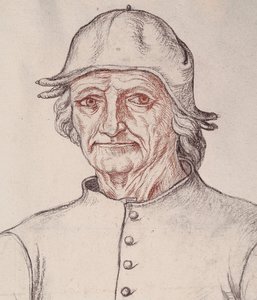
Jeroen Bosch

Jeroen Bosch

1450 - 1516, Nederland

Quick facts about Jeroen Bosch

  • Artistic Movement Or Style: Surrealisme, Symboliek
  • Artists Or Movements Influenced By This Artist: ['Pieter Bruegel']
  • Date Of Birth: c. 1450
  • Date Of Death: 1516
  • Full Name: Hieronymus van Aken
  • Nationality: Nederlands
  • Notable Artworks:
    • Tuin der Zotheid
    • Oordeel van Laatste
    • Ascentie Verlosse
  • Place Of Birth: Den Bosch, Nederland

Biografie kunstenaar

A Netherlandish Enigma: The Life and Art of Hieronymus Bosch

Born around 1450 in the vibrant, bustling town of ’s-Hertogenbosch in the Netherlands—then part of Brabant—Hieronymus Bosch, originally Jheronimus van Aken, remains one of art history’s most compelling and mysterious figures. His world was steeped in late medieval religious fervor, folklore, and a growing sense of societal unease, all of which would profoundly shape his uniquely unsettling artistic vision. Coming from a family with a long tradition of painting—his grandfather, Jan van Aken, and father, Anthonius van Aken, were both artists—Bosch likely received his earliest training within the family workshop, absorbing the techniques and conventions of Netherlandish painting. However, even in his formative years, he began to diverge from established norms, hinting at the extraordinary imagination that would define his career. Biographical details are frustratingly scarce; records are fragmented, leaving much open to speculation and interpretation, adding to the aura of mystique surrounding both the man and his work. He married Aleyt Goyaerts van den Meerveen sometime before 1481, a union that provided him with some financial security through her family’s holdings, but little else is known about their personal life.

Fantastical Visions and Symbolic Depths

Bosch's artistic style is instantly recognizable—a captivating blend of meticulous detail and wildly imaginative imagery. He primarily worked with oil on oak panels, demonstrating a masterful command of the medium, achieving luminous colors and intricate textures. While his early works show influences from traditional Netherlandish painting, particularly in their realism and attention to detail, he quickly moved beyond mere imitation, developing a profoundly original vision. His paintings are not simply representations of reality; they are allegorical landscapes populated by bizarre creatures, hybrid beings, and unsettling scenes that seem plucked from dreams—or nightmares. Religious themes form the core of much of his work, but these are rarely straightforward depictions of biblical stories. Instead, Bosch uses symbolism to explore complex moral and theological concepts, often focusing on the dangers of sin, the fragility of earthly pleasures, and the inevitability of divine judgment. His creatures—grotesque demons, fantastical animals, and strangely human figures—are not merely decorative elements; they are embodiments of vice, temptation, and spiritual corruption. The blending of the sacred and the profane, the beautiful and the grotesque, creates a uniquely unsettling effect that continues to captivate viewers centuries later.

Masterpieces of Moral Allegory

Among Bosch’s most celebrated achievements is The Garden of Earthly Delights (c. 1490-1510), a triptych that remains one of the most enigmatic and debated works in art history. When opened, it presents a panoramic vision of paradise, earthly life, and hell—a complex allegorical representation of humanity’s fall from grace. The left panel depicts the Garden of Eden, teeming with fantastical creatures and lush vegetation; the central panel portrays a world consumed by sensual pleasure and unrestrained desire; and the right panel offers a terrifying glimpse into the torments of hell. The Triptych of the Last Judgement (c. 1480-1490) is another powerful example of his skill in portraying both heavenly bliss and infernal torment, while The Ascent of the Blessed (c. 1480-1490) demonstrates his ability to create ethereal and dreamlike scenes. Even smaller works like Epiphany (c. 1495) showcase his innovative use of oil on wood and complex symbolism, revealing a mind constantly grappling with profound questions about faith, morality, and the human condition.

Influences and Artistic Development

Identifying Bosch’s direct influences is a challenging task, given the originality of his vision. Scholars suggest possible connections to medieval folklore, religious texts—particularly those emphasizing apocalyptic themes—and the prevailing anxieties of the time, including fears of heresy and social upheaval. However, it's clear that he synthesized these elements into something entirely new and uniquely his own. His early works show a strong influence from traditional Netherlandish painting, particularly in their realism and attention to detail. As he matured, however, Bosch began to experiment with more fantastical imagery and symbolism, developing his distinctive style. He was also influenced by the work of other artists, such as Jan van Eyck and Rogier van der Weyden, but he ultimately surpassed them in originality and innovation. The use of oil paint allowed him to achieve a level of detail and luminosity that had not been seen before, while his mastery of perspective created a sense of depth and realism that was both captivating and unsettling.

Legacy and Enduring Influence

Bosch’s work has had a profound impact on art history, influencing generations of artists. Pieter Bruegel the Elder directly followed in his footsteps, adopting similar themes and compositional techniques, while later movements, such as Surrealism, also drew inspiration from Bosch’s dreamlike imagery and exploration of the subconscious. Artists like Salvador Dalí and Max Ernst openly acknowledged their debt to his unsettling visions. Even today, Bosch's work continues to fascinate and provoke debate, solidifying his place as a master of Netherlandish painting and a visionary artist whose influence extends far beyond his own time. His paintings offer valuable insights into the religious, social, and psychological climate of the late 15th and early 16th centuries, challenging conventional norms and paving the way for new forms of artistic expression. He died in 1516, leaving behind a body of work that continues to haunt and inspire, ensuring his enduring legacy as one of art history’s most singular and unforgettable voices.

§ 5Comparanda

§ 6Questions

Snelle feiten

  • Influences: Medieval religious fervor
  • Notable elements or techniques: Detailed depiction; Symbolism
  • Location: Private Collection
  • Medium: Oil on oak wood
  • Year: 1510
  • Dimensions: 135 x 45 cm

Kunstquiz

Er is slechts één goed antwoord op elke vraag.

Vraag 1:
What is the predominant color scheme used in Hieronymus Bosch’s ‘Paradise and Hell’?
Vraag 2:
The painting depicts two distinct realms: Paradise and Hell. What is the primary visual element that distinguishes these worlds?
Vraag 3:
In what century was Hieronymus Bosch’s ‘Paradise and Hell’ created?
Vraag 4:
What artistic technique is prominently employed in Bosch's depiction of Hell, characterized by swirling smoke and flames?
Vraag 5:
The artwork’s symbolism explores themes related to morality and spirituality. What is one key element representing the struggle between good and evil?

§ 7Cite this entry

AllPaintingsStore.com, “Jeroen Bosch, Paradise and Hell (1510)”, https://allpaintingsstore.com/nl/art/hieronymus-bosch-paradise-and-hell-8Y3TYV-en/ArtistReproduction/ (accessed 3 oktober 2026).

§ 8The reproduction

Handgemaakte olieverfreproductie

Met de hand geschilderd in olieverf op canvas in uw gewenste maat en lijst, op bestelling gemaakt door onze kunstenaars. ( Schakel over naar print Schakel over naar digitale afbeeldingen)

It is specified on the order sheet in the margin; the present state of that sheet reads as follows.

Paradise and Hell

Druktechniek

Afmetingen reproductie

-

Geselecteerde topkunstenaars

Meer detail, verfijning en extra productietijd

-

Lijst voor reproductie

-

-

Voor kunstwerken of reproducties die aan één zijde groter zijn dan 105 cm (ongeveer 41 inch), wordt de lijst als een losse set verzonden. Deze methode garandeert een veilige levering en voorkomt schade tijdens het transport.

Professionele montage vereist - dit is geen doe-het-zelfproduct.
De set moet worden gemonteerd en het canvas moet worden gespannen door een ervaren professionele lijstenmaker, met gebruik van houtlijm (niet inbegrepen), een doekspanter en klemmen om de sponningen recht te houden terwijl de lijm droogt. Onjuiste montage of een ongelijkmatige spanning op het canvas kan het kunstwerk permanent beschadigen en wordt niet gedekt door onze garantie.

  • Alle massief houten onderdelen zijn inbegrepen, nauwkeurig op maat gesneden voor montage.

  • Te monteren met de meegeleverde schroeven, plus houtlijm voor de hoekverbindingen, die niet wordt meegeleverd en door uw lijstenmaker moet worden aangeschaft.

  • Professioneel gereedschap is vereist en niet inbegrepen: een spanner voor canvas en klemmen om de latten recht te houden terwijl de lijm droogt.

Belangrijk:
De hoekverbindingen vereisen houtlijm, de latten moeten met lijmklemmen worden vastgehouden tot de lijm volledig is opgedroogd, en het spannen van het canvas op het samengestelde frame vereist een doekspanter. Geen van deze artikelen is inbegrepen in de set. Wij adviseren u om een ervaren professionele lijstenmaker te raadplegen voordat u deze maat bestelt.

Naamplaatje

-

-

Beschermende vernislaag

Glanzende vernis (versterkt de kleuren en biedt bescherming tegen licht en vocht)

-

Mijn kunstwerk aanpassen

Voorbeelden van aanpassingen: vervang het gezicht door een eigen foto; voeg een huisdier toe (bijv. vervang de kat door een hond); verwerk een verborgen boodschap in de achtergrond; wijzig het landschap of andere elementen op de achtergrond.

-

Spoedlevering

Wereldwijde levering () binnen 3 tot 4 weken in plaats van de standaard 5 weken. (1 november). Geen concessies aan de kwaliteit.

-

Spoedlevering

Wereldwijde levering naar binnen 5 weken. (8 november).

Inbegrepen

Eindtotaal

€ 229

Included with every order

  • Gratis wereldwijde expressverzending
  • Hoogwaardig linnen canvas
  • Volledige verzendverzekering
  • Garantie op terugbetaling van invoerrechten
  • Garantie op exacte kleurweergave
  • Retourbeleid van 100 dagen (alleen bij defecten)
  • 100% Geld-terug-garantie
  • Korting bij meerdere afnames
Order sheet