- Home

- Reproductie van olieverfschilderij
- Jean-Antoine Watteau
- Italiaanse Commedianten die hun tok wagen

 Print kopen Koop afbeelding in hoge resolutie
 Verstuur
 Delen
Delen
 Details bekijken
 Toevoegen aan favorieten

 Download
 Vergelijkbare werken
 Röntgenonderzoek
 Diavoorstelling
Italiaanse Commedianten die hun tok wagen

 Lees meer
Handgemaakte olieverfreproductie
Met de hand geschilderd in olieverf op canvas in uw gewenste maat en lijst, op bestelling gemaakt door onze kunstenaars.




P118B $10

P118H $10

P118W $10

P438Z $10

P508JH $12

P508YH $12

P805H $10

P805Z $10

P919BZ $10

P919G $10

P919XJ $10

P959ZH $10

P968JZ $12

W106C $8

W218G $10

W218JH $8

W218Y $10

W307PJ $10

W316G $10

W316PJ $8

W316Y $10

W398PJ $8

W4111J $10

W500HY $15

W500JH $15

W692G $12

W849H $8

W940BG $15

W953PJ $8




Kies uit onze vooraf ingestelde maten die overeenkomen met de originele verhoudingen van het kunstwerk.

U kunt uw eigen afmetingen invoeren om in een specifieke lijst of ruimte te passen. Als de door u gekozen maat niet overeenkomt met de verhoudingen van het originele beeld, zullen we het kunstwerk bijsnijden of het schilderij uitbreiden met extra handgeschilderde elementen. Een digitale mockup wordt ter goedkeuring naar u verzonden voordat de productie begint.
Houd er rekening mee dat de preview op het scherm niet de werkelijke uitsnede of uitbreiding weergeeft. Alleen de mockup toont de uiteindelijke compositie nauwkeurig.
Hoewel aangepaste afmetingen mogelijk zijn, raden we aan een maat uit de vooraf gedefinieerde lijst te selecteren om de originele verhoudingen te behouden.
Na de bestelling zal het team van AllPaintingsStore.com per e-mail contact opnemen voor instructies en een mockup-voorbeeld sturen.
Wereldwijde levering () binnen 3/4 weken in plaats van de standaard 5 weken. (16 juli). Geen concessies aan de kwaliteit.

Gratis wereldwijde expressverzending

Hoogwaardig linnen canvas

Volledige verzendverzekering

Garantie op terugbetaling van invoerrechten

Garantie op exacte kleurweergave

60 dagen retourbeleid (alleen bij defecten)

100% Geld-terug-garantie

Korting bij meerdere afnames
 De optie voor glas is alleen beschikbaar bij een formaat kleiner dan 110 cm.

Italiaanse Commedianten die hun tok wagen
Techniek reproductie
Afmetingen reproductie
-


Eindtotaal
-
Beschrijving kunstwerk
De Betoverende Wereld van Jean-Antoine Watteau
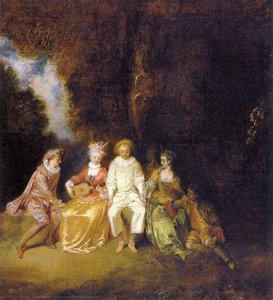
Jean-Antoine Watteau, een naam die synoniem staat voor de bloeiende Rococo-stijl, bezat een buitengewone gave om vluchtige momenten van gratie en theatraliteit vast te leggen. Zijn tekening, Italian Comedians Taking Their Bows, is niet zomaar een schets, maar een raamwerk naar een wereld waar kunstmatigheid en emotie met elkaar verweven zijn. Gecreëerd rond 1718, biedt dit werk een glimp achter de schermen, onthullend de performers van de *commedia dell’arte* die hun waardering betuigen aan het publiek na een voorstelling. De scène is niet grandioos of bombastisch; eerder intiem en subtiel melancholisch, met een suggestie van de vluchtigheid van zowel prestatie als het leven zelf. De delicate lijnen en wassingen in rood krijt en grafiet creëren een sfeer van zachte spijt, die hint naar de tijdelijkheid van zowel kunst als het menselijk bestaan.
De Alluringe Charme van de *Commedia dell’Arte*
Watteau's fascinatie met Italiaanse komedie was een levenslange obsessie. De *commedia dell’arte*, met zijn vaste karakters – Harlequin, Columbine, Pantalone – bood de kunstenaar een rijke bron van inspiratie. Deze figuren waren niet simpelweg humoristische personages; ze vertegenwoordigden archetypen van menselijk gedrag, die de passies en gebreken die resoneren met het publiek van de 18e eeuw belichtten. In Italian Comedians Taking Their Bows zien we geen chaotische scènes van slapstick-humor. In plaats daarvan concentreert Watteau zich op de ingetogen waardigheid van de performers, terwijl ze hun succes erkennen. De compositie is zorgvuldig geordend; figuren clusteren samen, maar behouden toch hun individuele aanwezigheid, elk verloren in gedachten of het gedeelde ervaring van prestatie. De twee schalen subtiel binnen de scène voegen een element van domesticiteit toe en symboliseren mogelijk offers aan de goden van het theater, een teken van dankbaarheid voor een succesvolle show.
Een Meester van Rococo Sensitiviteit
Watteau’s stijl is onmiddellijk herkenbaar – een afwijking van de grandeur van de Barok die hem vooraan leidde. Hij prefereerde pastelkleuren, delicate penseelstreken en een nadruk op elegantie en verfijning. Hoewel dit specifieke werk wordt uitgevoerd in tekenmedia, belichaamt het alle kenmerken van zijn schildertechniek. De figuren worden niet scherp gedefinieerd, maar komen voort uit zachte schaduwen, waardoor een sfeer van atmosferische perspectief ontstaat. Dit gaat niet om realisme; het is over het vastleggen van een gevoel, een *impressie* van een moment. De Rococo-periode waardeerde gratie, speelsheid en emotionele gevoeligheid – kwaliteiten die Watteau perfect verbeeldt. Zijn schilderijen en tekeningen waren niet bedoeld om moreel te zijn of didactisch; ze waren bedoeld om het oog te plezieren en de ziel te beroeren. De kunstenaar’s vermogen om zelfs een eenvoudige scène met zo'n poëtische gevoel te vullen, onderscheidt hem van zijn tijdgenoten. Het bezitten van een reproductie van dit werk is niet alleen het verwerven van een afbeelding; het is het uitnodigen van een moment van stille contemplatie in uw ruimte – een herinnering aan de kracht van kunst om emoties op te roepen en reflectie te inspireren.
Echo’s van Transiënte en Prestatie
De emotionele resonans van Italian Comedians Taking Their Bows ligt in zijn subtiele verkenning van thema's als tijdelijkheid, illusie en de menselijke wens naar verbinding. De buiging van de performers is een gebaar van zowel triomphe als nederigheid, die hun rol als entertainers erkennen terwijl ze tegelijkertijd de vluchtige aard van hun kunst erkennen. Watteau lijkt te suggereren dat het leven zelf een soort prestatie is, met elk individu een rol op het podium van de samenleving te spelen. Deze tekening nodigt ons uit om na te denken over onze eigen rollen, onze eigen momenten van applaus en de vluchtige schoonheid van het bestaan.
Aanvullende Onderzoek
Gebruiksvolle links:
Vergelijkbare kunstwerken


Biografie van de kunstenaar
A Delicate Brushstroke: The Life and Art of Jean-Antoine Watteau
Jean-Antoine Watteau, a name synonymous with the blossoming Rococo style, emerged from the northern French city of Valenciennes in 1684. His brief but incandescent career irrevocably altered the course of eighteenth-century painting, shifting its focus from the grandeur and drama of the Baroque to an intimate world of elegance, leisure, and subtle emotion. Unlike many artists who followed a clearly defined path, Watteau’s journey was marked by initial struggles for recognition within the established art institutions of Paris. Born into a family of modest means—his father a master roofer—young Jean-Antoine displayed an early aptitude for drawing, initially sketching the colorful characters and bustling scenes of his hometown streets. This formative experience instilled in him a keen eye for observation and a fascination with everyday life, themes that would permeate his later work. His initial training under local artists Jacques-Albert Gérin and Julien provided a foundation, but it was his move to Paris around 1702 that truly ignited his artistic development.From Theatrical Scenes to *Fêtes Galantes*
In the vibrant heart of Paris, Watteau entered the workshop of Claude Gillot, a painter specializing in theatrical designs and the popular genre of *fêtes galantes*—depictions of aristocratic outdoor entertainments. This apprenticeship proved pivotal. Gillot’s influence exposed Watteau to the world of commedia dell'arte, with its masked characters and playful narratives, which would become a recurring motif throughout his oeuvre. However, Watteau’s artistic sensibilities didn’t neatly align with the rigid categories favored by the Académie Royale de Peinture et de Sculpture. His genre paintings were deemed unsuitable for official recognition, leading to initial rejection when he attempted to compete for the prestigious Prix de Rome. Undeterred, and demonstrating a remarkable resilience, Watteau persevered, eventually gaining acceptance as a *maître amateur* in 1717—a status that allowed him to exhibit his work independently. This period marked a crucial turning point, allowing him to fully develop his unique style characterized by luminous colors, delicate brushwork, and an air of wistful melancholy. He began to move away from direct theatrical representation towards more poetic and evocative scenes, inventing the *fête galante* as a distinct genre—idyllic gatherings in park-like settings where aristocratic figures engaged in flirtatious pursuits and refined pastimes.The Essence of Rococo: Style and Masterpieces
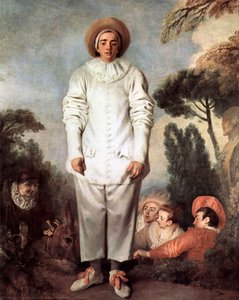
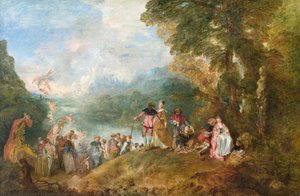
Watteau’s paintings are instantly recognizable for their distinctive qualities. He possessed an unparalleled ability to capture the elegance and refinement of aristocratic life, not through bombastic displays of power or wealth, but through subtle gestures, nuanced expressions, and a masterful use of light and color. His figures exude a poetic grace and a delicate emotional depth that sets them apart from the more formal portraits of his predecessors. The Country Dance (1718-1721), perhaps one of his most celebrated works, exemplifies this perfectly—a vibrant scene depicting carefree rustic life with exquisite detail and an underlying sense of longing. Other masterpieces such as Ceres (Summer) (1705) demonstrate his skill in portraying the beauty of nature and the human form, while The Embarkation for Cythera (1717) and its companion piece, Pilgrimage to Cythera, are iconic depictions of mythological journeys to the island of love, imbued with a sense of mystery and romantic yearning. Even his theatrical portraits, like Gilles (1719), possess an enigmatic quality that invites contemplation. Watteau’s technique was equally innovative; he employed a feathery brushstroke and a delicate layering of colors to create a shimmering effect, capturing the fleeting beauty of light and atmosphere.Influences and Development
Watteau's artistic lineage is complex, drawing inspiration from diverse sources. He deeply admired Venetian Renaissance masters like Titian and Veronese, particularly their rich color palettes and dynamic compositions. The influence of Flemish artists such as Rubens is also evident in his energetic brushwork and sensuous figures. However, Watteau didn’t simply imitate these predecessors; he synthesized their influences into something entirely new and uniquely his own—a style that became the hallmark of Rococo painting. His early training under Jacques-Albert Gérin exposed him to the theatrical world, while his time with Claude Gillot fostered a fascination with *fêtes galantes*. He was also influenced by the works of artists like Nicolas Poussin, whose use of light and color he adopted for his own compositions. Despite facing initial rejection from the Académie Royale de Peinture et de Sculpture, Watteau continued to develop his style independently, experimenting with different techniques and subject matter until his acceptance as a *maître amateur* in 1717 provided him with the freedom to fully express his artistic vision.Legacy and Enduring Influence
Watteau's artistic lineage is complex, drawing inspiration from diverse sources. He deeply admired Venetian Renaissance masters like Titian and Veronese, particularly their rich color palettes and dynamic compositions. The influence of Flemish artists such as Rubens is also evident in his energetic brushwork and sensuous figures. However, Watteau didn’t simply imitate these predecessors; he synthesized their influences into something entirely new and uniquely his own—a style that became the hallmark of Rococo painting. Despite a tragically short life—he succumbed to tuberculosis in 1721 at the age of just thirty-seven—Watteau left an indelible mark on art history. His work profoundly influenced generations of artists, including Fragonard and Boucher, who further developed the themes and techniques he pioneered. He redefined genre painting, elevating it to a level of artistic sophistication previously reserved for historical or religious subjects. Today, his paintings are treasured in major museums worldwide—from the National Gallery of Art in Washington D.C. to the Museo del Prado in Madrid—continuing to captivate audiences with their beauty, grace, and enduring appeal, solidifying his place as one of the most important and beloved artists of the Rococo period.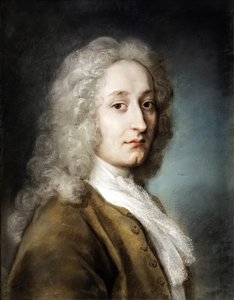
Jean-Antoine Watteau
1684 - 1721 , Frankrijk
Belangrijkste feiten
- Artistic Movement Or Style: Rocococo
- Artists Or Movements Influenced By This Artist:
- Fragonard
- Boucher
- Artists Who Influenced This Artist:
- Titian
- Veronese
- Rubens
- Date Of Birth: 1684
- Date Of Death: 1721
- Full Name: Jean-Antoine Watteau
- Nationality: Frans
- Notable Artworks:
- Het Dansfeest
- Ceres (Zomer)
- De Huwelijksovereenkomst
- Place Of Birth: Valenciennes, Frankrijk
Gerelateerde artikelen

The Fête Galante & Beyond: Exploring the Artistic World of Jean-Antoine Watteau
Discover the captivating world of Jean-Antoine Watteau, master of the Fête Galante! Explore his iconic paintings, symbolism, and lasting influence on Rococo art. A deep dive for classic art enthusiasts.

Iconic Art of the 18th & 19th Centuries: Masterpieces for Your Home | AllPaintingsStore
Journey through 18th & 19th century art! Explore iconic masterpieces by Monet, Van Gogh & more. Discover the stories behind these timeless paintings and find museum-quality reproductions for your home at AllPaintingsStore.com.
George Stubbs: Anatomical Precision & Romantic Vision in 18th-Century British Art
Explore the captivating world of George Stubbs, the 18th-century master renowned for his anatomical precision & Romantic animal paintings. Discover his legacy and investment potential.
The Rococo Aesthetic: Opulence, Rebellion & the Pursuit of Pleasure in 18th-Century Art
Explore the opulent world of Rococo art! Discover its origins, key artists like Watteau & Boucher, and lasting influence on design. Expert insights for collectors & enthusiasts.
The Rococo Style: Aristocratic Leisure & the Pursuit of Delight in 18th-Century Art
Explore the opulent world of Rococo art! Discover Watteau, Boucher & Nattier's masterpieces. Expert insights for collectors seeking museum-quality reproductions and custom portraits at AllPaintingsStore.