


 Bekijk op ware grootte
 Verstuur
 Delen
Delen
 Details bekijken
 Gids
Gids

 Download
 Vergelijkbare items
 Röntgenonderzoek
 Diavoorstelling
 Statistieken
Louise Millet

 Lees meer
Handgemaakte olieverfreproductie
Met de hand geschilderd in olieverf op canvas in uw gewenste maat en lijst, op bestelling gemaakt door onze kunstenaars. ( Schakel over naar print Schakel over naar digitale afbeeldingen)




P118B $10

P118H $10

P118W $10

P438Z $10

P508JH $12

P508YH $12

P805H $10

P805Z $10

P919BZ $10

P919G $10

P919XJ $10

P959ZH $10

P968JZ $12

W106C $8

W218G $10

W218JH $8

W218Y $10

W307PJ $10

W316G $10

W316PJ $8

W316Y $10

W398PJ $8

W4111J $10

W500HY $15

W500JH $15

W692G $12

W849H $8

W940BG $15

W953PJ $8




Kies uit onze vooraf ingestelde maten die overeenkomen met de originele verhoudingen van het kunstwerk.

U kunt uw eigen afmetingen invoeren om in een specifieke lijst of ruimte te passen. Als de door u gekozen maat niet overeenkomt met de verhoudingen van het originele beeld, zullen we het kunstwerk bijsnijden of het schilderij uitbreiden met extra handgeschilderde elementen. Een digitale mockup wordt ter goedkeuring naar u verzonden voordat de productie begint.
Houd er rekening mee dat de preview op het scherm niet de werkelijke uitsnede of uitbreiding weergeeft. Alleen de mockup toont de uiteindelijke compositie nauwkeurig.
Hoewel aangepaste afmetingen mogelijk zijn, raden we aan een maat uit de vooraf gedefinieerde lijst te selecteren om de originele verhoudingen te behouden.
Na de bestelling zal het team van AllPaintingsStore.com per e-mail contact opnemen met de klant voor instructies en een mockup-voorbeeld sturen.
Wereldwijde levering () binnen 3 tot 4 weken in plaats van de standaard 5 weken. (21 september). Zonder concessies aan de kwaliteit.

Gratis wereldwijde expressverzending

Hoogwaardig linnen canvas

Volledige verzendverzekering

Garantie op terugbetaling van invoerrechten

Garantie op exacte kleurweergave

Retourbeleid van 100 dagen (alleen bij defecten)

100% Geld-terug-garantie

Korting bij meerdere afnames
 De optie voor glas is alleen beschikbaar bij een formaat kleiner dan 110 cm.

Louise Millet
Reproductiemethode
Formaat reproductie
-


Totaalprijs
$ 258
Jean-François Millet’s Louise Millet: A Window into Rural Dignity
Jean-François Millet's "Louise Millet," painted in 1841, transcends mere portraiture; it embodies the core tenets of Realism and offers a profound meditation on the human condition within the confines of rural existence. This unassuming canvas depicts Louise Feuardent, a young woman from Normandy, rendered with meticulous detail against a subtly textured wall adorned with other paintings—a deliberate compositional choice that speaks volumes about Millet’s artistic sensibilities. The painting's power resides not in grand gestures or dramatic narratives but rather in its quiet observation of everyday life and the unwavering gaze of its subject.The Essence of Realism: Capturing Truthful Representation
Millet, alongside artists like William Morris Hunt—a kindred spirit who similarly championed European styles while grounding his work in American landscapes—was instrumental in establishing Realism as a dominant force in 19th-century art. Rejecting the idealized forms and emotive flourishes characteristic of Romanticism, Millet sought to depict subjects from ordinary life with unflinching honesty. He eschewed theatrical poses and elaborate costumes, opting instead for naturalistic settings and expressions that conveyed genuine emotion—a feat achieved through painstaking attention to anatomical accuracy and subtle tonal variations. The muted palette – predominantly browns and blues – reinforces this commitment to realism, mirroring the earthy hues of Millet’s surroundings and conveying a sense of solemn contemplation.Technique and Texture: Millet's Pioneering Approach
Millet’s technique was revolutionary for its time. He employed impasto—thickly applied paint—creating palpable textural surfaces that mirrored the roughness of the soil and the weathered faces of rural laborers. This method wasn’t merely stylistic; it served a crucial communicative purpose, inviting viewers to engage with the painting on a tactile level and fostering an emotional connection to the depicted scene. The artist meticulously blended pigments to achieve subtle gradations of color, capturing the nuances of light and shadow—a masterful demonstration of observational skill that distinguishes Millet's work from more decorative styles.Historical Context: Millet’s Reflection of Societal Change
Painted during a period of significant social upheaval in France – marked by industrialization and urbanization – “Louise Millet” represents a deliberate counterpoint to the prevailing artistic trends. Millet’s focus on rural life served as an implicit critique of societal progress, highlighting the dignity and resilience of those excluded from its benefits. The inclusion of other paintings on the wall subtly underscores the importance of art within the domestic sphere and reinforces Millet's belief in its capacity to inspire contemplation and moral reflection. It is a poignant reminder that beauty can be found not only in grand vistas but also in the quiet moments of human experience.Symbolism Beyond Appearance: The Portrait’s Silent Narrative
Beyond its visual realism, “Louise Millet” carries symbolic weight. Louise Feuardent's unwavering gaze—direct and unflinching—suggests a profound inner strength and resilience. Her posture conveys serenity and dignity, embodying the virtues of humility and perseverance – qualities valued within Millet’s worldview rooted in the agricultural traditions of Normandy. The painting invites viewers to consider themes of faith, compassion, and the enduring beauty of rural simplicity.Emotional Impact: A Moment Frozen in Time
Ultimately, “Louise Millet” succeeds in capturing a fleeting moment of human connection—a quiet communion between subject and viewer. It evokes feelings of empathy and admiration for Louise Feuardent’s unwavering spirit and reminds us that true artistry lies in conveying profound truths about the human condition with understated grace. This artwork continues to resonate today as a testament to Millet's enduring legacy as one of Realism’s foremost champions and as an unforgettable portrait of rural dignity.Gerelateerde kunstwerken


Biografie van de kunstenaar
A Life Rooted in the Soil: The World of Jean-François Millet
Jean-François Millet, a name inextricably linked to the dignity of rural life and the burgeoning Realist movement in 19th-century France, was not born into the rarefied atmosphere of artistic privilege. Instead, he emerged from the very earth that would become the subject of his enduring legacy. On October 4, 1814, he arrived in Gruchy, a small Norman village nestled within a landscape dominated by agricultural tradition – a place where the rhythms of the seasons dictated the lives of its inhabitants and profoundly shaped Millet’s artistic vision. This upbringing wasn't merely a setting for his life; it *was* his life, imbuing his art with an authenticity that resonated deeply with a society undergoing profound transformation. His parents, Jean-Louis-Nicolas and Aimée-Henriette-Adélaïde Henry Millet, were themselves farmers, instilling in young Jean-François not just a connection to the land but also a deep understanding of its hardships and rewards. Early education wasn’t confined to formal schooling – facilitated by local priests who recognized his intellectual potential – but was equally shaped by the tangible realities of farm work: sowing seeds, reaping harvests, threshing grain – tasks that would later become recurring motifs in his paintings, transforming everyday labor into a form of artistic expression. This experience wasn't simply observational; it was visceral, a profound understanding of human resilience and the quiet dignity found within physical toil.From Academic Aspirations to Rural Revelation
Millet’s artistic journey began with a traditional path – formal training in art. Initially, he sought guidance from portrait painter Bon Du Mouchel in Cherbourg, followed by Théophile Langlois de Chèvreville, a student of Baron Gros. In 1837, he ventured to the heart of Parisian artistic life, enrolling at the prestigious École des Beaux-Arts and studying under Paul Delaroche. However, the rigid expectations and hierarchical structure of the Salon system quickly proved stifling. Despite initial successes, Millet faced repeated rejections, grappling with a growing disillusionment that stemmed from the perceived artificiality of academic art. A pivotal moment arrived in the 1840s – marked by personal tragedy following the loss of his beloved wife, Pauline-Virginie Ono – and a burgeoning dissatisfaction with the romanticized depictions of peasant life prevalent at the time. He began to actively reject these idealized pastoral scenes, seeking instead to portray rural existence with an unflinching honesty that reflected the realities he had witnessed firsthand. This shift was further solidified by his association with a group of like-minded artists who would come to define the Barbizon school – Constant Troyon, Narcisse Diaz, Charles Jacque, and Théodore Rousseau – all committed to *plein air* painting (working directly from nature) and a rejection of the artificiality of academic artifice. Millet’s decision to relocate to Barbizon in 1849 represented a decisive break with Parisian conventions and an embrace of his artistic destiny, firmly rooted in the landscapes and lives surrounding him.The Poetry of Labor: Themes and Techniques
Millet's oeuvre is characterized by its profound empathy for the working class, particularly peasant farmers. He didn’t merely depict their labor; he elevated it to a level of dignity and spiritual significance previously unseen in art. His paintings are not sentimental idealizations but rather honest portrayals of hardship, resilience, and quiet devotion. The Gleaners (1857), perhaps one of his most iconic works, exemplifies this approach. The three women depicted gathering leftover grain after the harvest aren’t romanticized figures; they are laborers, bent double by toil, yet possessing a quiet dignity that commands respect. The Angelus (1850-1861), another masterpiece, captures a moment of profound spirituality – a peasant couple pausing for prayer at sunset – transforming an everyday act into something sacred. The Sower (1850) is arguably his most recognizable image, representing the cyclical nature of agricultural labor and humanity’s connection to the land. Technically, Millet drew inspiration from the Dutch Masters, particularly their masterful use of light and shadow, and from classical sculpture, evident in the monumental quality of his figures. He employed a limited palette, focusing on earthy tones that reflected the colors of the countryside, and built up layers of paint to create a sense of texture and depth, lending an incredible realism to his subjects.A Lasting Legacy: Millet’s Influence and Historical Significance
Jean-François Millet died in Barbizon on January 20, 1875, leaving behind a body of work that profoundly impacted the course of modern art. He played a pivotal role in establishing Realism as a dominant force in painting, challenging the conventions of academic art and paving the way for future movements like Impressionism and Social Realism. His focus on everyday life and social issues resonated with artists who sought to depict the world around them with honesty and authenticity. His influence extended beyond painting; his images became symbols of rural virtue and working-class solidarity, inspiring writers, poets, and political thinkers. Artists such as Correa Benito Rebolledo continued to explore themes of rural life and social justice, directly influenced by Millet’s example. Today, Millet's paintings continue to captivate audiences with their timeless beauty, emotional depth, and enduring message of human dignity. His work serves as a powerful reminder that even in the face of hardship, there is grace, resilience, and profound spiritual meaning to be found in the simplest of lives.Major Works
- The Gleaners (1857): A poignant depiction of women gathering leftover grain.
- The Angelus (1850-1861): A symbol of rural piety and a moment of quiet devotion.
- The Sower (1850): An iconic image representing the cycle of agricultural labor.
- Man with a Hoe: A powerful representation of physical toil and human endurance.
- Woman Baking Bread: A depiction of domestic labor imbued with dignity.
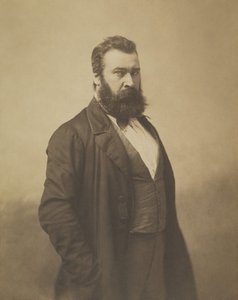
Jean-François Millet
1814 - 1875 , Frankrijk
Snelle feiten
- Artistic Movement Or Style: Realisme, Barbizon
- Artists Or Movements Influenced By This Artist:
- Impressionisme
- Sociale Realisme
- Artists Who Influenced This Artist:
- Nederlandse Meesters
- Delaroche
- Date Of Birth: 4 okt 1814
- Date Of Death: 20 jan 1875
- Full Name: Jean-François Millet
- Nationality: Frans
- Notable Artworks:
- De Gleeners
- Het Angelus
- De Zetter
- Place Of Birth: Gruchy, Frankrijk
Gerelateerde artikelen

Echoes of Rural Life: Art's Enduring Representations of the Countryside
Explore the rich history of rural life in art! Discover masterpieces from Millet to Mauve & beyond. Learn about Realism, Barbizon School & find inspiration for your home with AllPaintingsStore.

Top 10 Realistische Meesterwerken: Kunstgeschiedenis voor uw Interieur | AllPaintingsStore.com
Ontdek de 10 meest iconische meesterwerken van het Realisme! Van Courbet tot Millet, leer over de kunstenaars, technieken & impact. Vind museumkwaliteit reproducties voor uw interieur op AllPaintingsStore.com. Exploreer de collectie online!

Golden Fields & Rustic Souls: Exploring the Timeless Art of Jean-François Millet
Discover the profound beauty of Jean-François Millet’s masterpieces. Explore the soul of the Barbizon School through an expert lens, celebrating the dignity of rural life and the timeless legacy of Realism in fine art history.

Jean-François Millet: Realism, Rural Life & the Poetic Depiction of Labor
Explore the life & work of Jean-François Millet, a founder of Realism. Discover his poignant depictions of rural France, iconic paintings like 'The Angelus,' and lasting influence on art history. Learn more at AllPaintingsStore.

Léon Augustin L'Hermitte: Capturing the Soul of French Rural Life
Discover the captivating realist paintings of Léon Augustin L'Hermitte, masterfully depicting French rural life. Explore his technique, influences & legacy – a cornerstone of 19th-century art.


