Geld-terug-garantie · 100 dagen Gratis wereldwijde verzending
449.582kunstwerken 30.618kunstenaars 4.705musea 32talen
Valuta
    Taal
      Atelier · Sinds 2015 · Parijs, Frankrijk
      AllPaintingsStore
      allpaintingsstore.com
      Bekijk op ware grootte Bekijk in AR Schakel over naar print Schakel over naar digitale afbeeldingen Verstuur
      Details bekijken Gids voor studentenkunstwerken Toevoegen aan favorieten Download Vergelijkbare items Röntgenonderzoek Diavoorstelling Statistieken

      BLAUW I

      Verken Joan Miró’s "BLAUW II" – een betoverende abstract surrealistische meesterwerk! Ontdek zijn levendige blauwe tinten, dynamische compositie & diepe symboliek. Een fascinerende kunstreproductie.

      Ontdek Joan Miró's prachtige surrealistische kunst! Een icoon van de Spaanse avantgarde met kleurrijke vormen & symbolische kleuren. Bekijk zijn werken op AllPaintingsStore!

      De kunstwerken die op deze pagina worden weergegeven, zijn beschermd door de auteursrechtwetgeving, wat betekent dat het ons wettelijk niet is toegestaan om identieke reproducties te maken of te verkopen. Deze bescherming wordt gehandhaafd onder internationale overeenkomsten zoals de Conventie van Bern en door nationale wetgeving, waaronder de bepalingen van de Amerikaanse auteurswet - Titel 17. Alle rechten voorbehouden. Reproduceren of distribueren van afbeeldingen is niet toegestaan zonder uitdrukkelijke schriftelijke toestemming van WahooArt.com en de rechthebbenden.

      Als een respectvol en legaal alternatief bieden wij op maat gemaakte, handgeschilderde kunstwerken aan die geïnspireerd zijn op het origineel. Onze bekwame en professionele kunstenaars bestuderen zorgvuldig de stijl, sfeer en artistieke essentie van het origineel om een nieuw, uniek werk te creëren dat dezelfde emotie oproept – terwijl het een op zichzelf staande, originele creatie blijft.

      Deze methode voldoet volledig aan de auteursrechtwetgeving, omdat het niet gaat om het kopiëren of dupliceren van het beschermde kunstwerk. In plaats daarvan is er sprake van een creatieve herinterpretatie — een nieuw schilderij dat door het origineel wordt geïnspireerd, maar er niet identiek aan is.

      Handgemaakte olieverfreproductie

      Met de hand geschilderd in olieverf op canvas in uw gewenste maat en lijst, op bestelling gemaakt door onze kunstenaars. ( Schakel over naar print Schakel over naar digitale afbeeldingen)

      Corner sample of the P118B picture frame: moulded polystyrene, 5 cm wide and 3 cm thick
      P118B 10
      Corner sample of the P118H picture frame: moulded polystyrene, 5 cm wide and 3 cm thick
      P118H 10
      Corner sample of the P118W picture frame: moulded polystyrene, 5 cm wide and 3 cm thick
      P118W 10
      Corner sample of the P438Z picture frame: moulded polystyrene, 5.5 cm wide and 3.5 cm thick
      P438Z 10
      Corner sample of the P508JH picture frame: moulded polystyrene, 7 cm wide and 3.5 cm thick
      P508JH 12
      Corner sample of the P508YH picture frame: moulded polystyrene, 7 cm wide and 3.5 cm thick
      P508YH 12
      Corner sample of the P805H picture frame: moulded polystyrene, 5 cm wide and 3.5 cm thick
      P805H 10
      Corner sample of the P805Z picture frame: moulded polystyrene, 5 cm wide and 3.5 cm thick
      P805Z 10
      Corner sample of the P919BZ picture frame: moulded polystyrene, 7 cm wide and 3.5 cm thick
      P919BZ 10
      Corner sample of the P919G picture frame: moulded polystyrene, 7 cm wide and 3.5 cm thick
      P919G 10
      Corner sample of the P919XJ picture frame: moulded polystyrene, 7 cm wide and 3.5 cm thick
      P919XJ 10
      Corner sample of the P959ZH picture frame: moulded polystyrene, 5 cm wide and 3 cm thick
      P959ZH 10
      Corner sample of the P968JZ picture frame: moulded polystyrene, 6 cm wide and 4 cm thick
      P968JZ 12
      Corner sample of the W106C picture frame: solid wood, 5 cm wide and 3 cm thick
      W106C 8
      Corner sample of the W218G picture frame: solid wood, 5 cm wide and 3 cm thick
      W218G 10
      Corner sample of the W218JH picture frame: solid wood, 5 cm wide and 3 cm thick
      W218JH 8
      Corner sample of the W218Y picture frame: solid wood, 5 cm wide and 3 cm thick
      W218Y 10
      Corner sample of the W307PJ picture frame: solid wood, 6 cm wide and 3 cm thick
      W307PJ 10
      Corner sample of the W316G picture frame: solid wood, 6 cm wide and 3 cm thick
      W316G 10
      Corner sample of the W316PJ picture frame: solid wood, 6 cm wide and 3 cm thick
      W316PJ 8
      Corner sample of the W316Y picture frame: solid wood, 6 cm wide and 3 cm thick
      W316Y 10
      Corner sample of the W398PJ picture frame: solid wood, 5 cm wide and 3 cm thick
      W398PJ 8
      Corner sample of the W4111J picture frame: solid wood, 6.5 cm wide and 3.5 cm thick
      W4111J 10
      Corner sample of the W500HY picture frame: solid wood, 7 cm wide and 5 cm thick
      W500HY 15
      Corner sample of the W500JH picture frame: solid wood, 7 cm wide and 5 cm thick
      W500JH 15
      Corner sample of the W692G picture frame: solid wood, 8 cm wide and 4 cm thick
      W692G 12
      Corner sample of the W849H picture frame: solid wood, 5 cm wide and 3 cm thick
      W849H 8
      Corner sample of the W940BG picture frame: solid wood, 7.5 cm wide and 4.5 cm thick
      W940BG 15
      Corner sample of the W953PJ picture frame: solid wood, 6 cm wide and 3.5 cm thick
      W953PJ 8

      Standaardformaat
      op maat gemaakt
      CM
      INCH

      Kies uit onze vooraf ingestelde maten die overeenkomen met de originele verhoudingen van het kunstwerk.

      breedte
      hoogte

      U kunt uw eigen afmetingen invoeren om in een specifieke lijst of ruimte te passen. Als de door u gekozen maat niet overeenkomt met de verhoudingen van het originele beeld, zullen we het kunstwerk bijsnijden of het schilderij uitbreiden met extra handgeschilderde elementen. Een digitale mockup wordt ter goedkeuring naar u verzonden voordat de productie begint.
      Houd er rekening mee dat de preview op het scherm niet de werkelijke uitsnede of uitbreiding weergeeft. Alleen de mockup toont de uiteindelijke compositie nauwkeurig.
      Hoewel aangepaste afmetingen mogelijk zijn, raden we aan een maat uit de vooraf gedefinieerde lijst te selecteren om de originele verhoudingen te behouden.

      Voorbeelden van wat aangepast kan worden: Vervang het gezicht met een eigen foto; Voeg een huisdier toe (bijv. vervang de kat door een hond); Verwerk een verborgen boodschap in de achtergrond; Wijzig het landschap of andere elementen in de achtergrond.
      Na de bestelling zal het team van AllPaintingsStore.com per e-mail contact opnemen met de klant voor instructies en een mockup-voorbeeld sturen.

      Wereldwijde levering () binnen 3 tot 4 weken in plaats van de standaard 5 weken. (10 oktober). Zonder concessies aan de kwaliteit.

      Gratis wereldwijde expressverzending
      Hoogwaardig linnen canvas
      Volledige verzendverzekering
      Garantie op terugbetaling van invoerrechten
      Garantie op exacte kleurweergave
      Retourbeleid van 100 dagen (alleen bij defecten)
      100% Geld-terug-garantie
      Korting bij meerdere afnames

      Totaalprijs

      € 222

      BLAUW I

      Reproductiemethode

      Formaat reproductie

      -

      Totaalprijs

      € 222

      Belangrijkste kenmerken

      • Artistic style: Abstract Expressionism
      • Location: Musée National d'Art Moderne (Centre Pompidou)
      • Medium: Oil paint
      • Year: 1961
      • Subject or theme: Dreamlike imagery
      • Title: BLUE I
      • Notable elements or techniques: Bold colors, enigmatic shapes

      Kunstquiz

      Er is slechts één goed antwoord op elke vraag.

      Vraag 1:
      What artistic movement is Joan Miró’s "Blue I" primarily associated with?
      Vraag 2:
      Where is "Blue I" currently housed?
      Vraag 3:
      What dominant color characterizes the background of "Blue I"
      Vraag 4:
      The black shapes in "Blue I" are interpreted as:
      Vraag 5:
      What innovative approach did the Centre Pompidou employ to celebrate the 59th anniversary of "Blue I’s" first exhibition?

      Blue I: Een Symphonie van Kleur en Vorm

      Joan Miró’s Blue I staat als een hoeksteen van moderne kunst – specifiek surrealisme – en vangt de grenzeloze verbeelding en onderbewuste exploratie die Miró's artistieke visie bepaalden. Het schilderij werd gecreëerd in 1961 tijdens zijn vruchtbare periode en bevindt zich binnen het prestigieuze Musée National d’Art Moderne – Centre Pompidou in Parijs, Frankrijk, naast zijn kompanons Blue II en Blue III – een tryptych dat Miró’s meesterlijke beheersing van kleur en compositie belichaamt.

      Het Artistieke Pad van Joan Miró

      Joan Miró (1893-1983) was een Spaanse schilder, beeldhouwer en keramist die diepgaand invloed heeft gehad op het traject van de 20e eeuwse kunst. Zijn werk daagde voortdurend conventionele representatie uit, waarbij hij voorkeur gaf aan droomachtige afbeeldingen en abstracte vormen gevuld met symbolische resonans. Blue I illustreert Miró’s innovatieve stijl – gekarakteriseerd door vurige kleuren en enigmatische vormen – en weerspiegelt zijn betrokkenheid bij bewegingen zoals Surrealisme en Expressionisme.

      Een Visuele Odyssee: Beschrijving van het Schilderij

      Het schilderij meet een indrukwekkende 355 cm x 270 cm en domineert zijn ruimte met een dominante blauwe achtergrond – een kleur die zowel rust uitroept als ruimte oproept. Verspreid over deze doek bevinden zich zwarte vormen van verschillende texturen en intensiteiten, waardoor een ritmisch patroon ontstaat dat doet denken aan hemelse lichamen of microscopische organismen. Deze vormen dansen tegen de achtergrond aan en creëren een spel van licht en schaduw dat uitnodigt tot contemplatie.

      Een enkele rode vorm priemt op het palet, gelegen prominent in het midden van het schilderij – waardoor directe aandacht wordt getrokken naar zijn geïsoleerde aanwezigheid. Deze levendige kleur dient als focuspunt, waarbij hij de koude tinten van de blauwe tonen onderbreekt en kijkers aanspoort om zijn betekenis binnen de bredere compositie te overwegen.

      Symbolisme en Interpretatie

      Ondanks zijn schijnbaar eenvoudige vorm draagt Blue I lagen van betekenis – die Miró’s fascinatie voor de onderbewuste geest weergeven en zijn vermogen om abstracte concepten te vertalen naar visuele vorm. De zwarte vormen kunnen worden geïnterpreteerd als representaties van kosmische entiteiten of microscopische organismen – symbolen die het schilderij onderstrepen bij zijn exploratie van universele thema’s.

      Techniek en Invloed

      Miró's zorgvuldige toepassing van olieverf demonstreert zijn meesterschap over textuur en diepte, waarbij hij een opvallende luminositeit bereikt ondanks het beperkte kleurpalet. Het oppervlak wordt doordrenkt met een palpabele energie – een getuigenis van Miró’s invloed op latere generaties van kunstenaars die abstractie en Surrealisme omarmden.

      Een bijzonder belangrijk aspect van Blue I is de manier waarop het Centre Pompidou deze jubileaanse gebeurtenis vierde: een VR-ervaring waarmee bezoekers wereldwijd konden onderdommelen in Miró’s kunstwereld – een baanbrekende initiatief dat onderstreept hoe kunst grenzen overschrijdt en verbinding creëert tussen culturen.

      Vragen & Antwoorden

      Zijn de kleuren van "BLAUW I" door Joan Miró levendig of gedempt?

      "BLAUW I" door Joan Miró is vastgelegd met een Duidelijke kleurverzadiging verzadiging en een Levendig intensiteit.

      In welk jaar werd "BLAUW I" gemaakt?

      "BLAUW I" door Joan Miró werd gemaakt in 1961.

      Uit welke fase van de ontwikkeling van Joan Miró is "BLAUW I"?

      Binnen de carrière van Joan Miró valt "BLAUW I" in de Mature Period. Deze fase helpt om het werk te vergelijken met andere werken van de kunstenaar.

      Hoe oud was Joan Miró toen "BLAUW I" werd gemaakt?

      Toen "BLAUW I" werd gemaakt in 1961, was Joan Miró - geboren in 1893 - 68 jaar oud.

      Wie heeft "BLAUW I" gemaakt?

      De kunstenaar achter "BLAUW I" is Joan Miró. Het werk is gecatalogiseerd onder de naam van Joan Miró.

      Welke techniek en stijl kenmerken "BLAUW I" door Joan Miró?

      "BLAUW I" is vervaardigd in Acryl op canvas, in de Surrealist Expressionism-stijl.

      Waar kan ik het originele werk "BLAUW I" door Joan Miró bewonderen?

      "BLAUW I" door Joan Miró is te zien in Centre Pompidou, Parijs, Frankrijk. De vermelding van het museum heeft betrekking op het originele werk, niet op reproducties.


      Biografie van de kunstenaar

      A Catalan Visionary: The Life and Art of Joan Miró

      Joan Miró i Ferrà, born in Barcelona in 1893, stands as one of the most significant figures in 20th-century art. His journey was not merely a progression through styles but an exploration of inner worlds, translating dreams, memories, and Catalan identity onto canvas with a uniquely poetic visual language. From humble beginnings marked by illness and initial parental reservations about his artistic pursuits, Miró persevered, driven by an innate need to express the intangible—the emotions, sensations, and subconscious currents that lie beneath the surface of reality. His early life was steeped in the traditions of Barcelona, a city brimming with architectural marvels thanks to Antoni Gaudí, whose organic forms would subtly influence Miró’s later abstractions. The goldsmithing profession of his father instilled an appreciation for meticulous craftsmanship, while the rugged Catalan landscape became a recurring motif and source of inspiration throughout his career.

      Early Influences and the Path to Surrealism

      Miró's formal artistic training began at La Llotja in Barcelona, where he honed his skills in traditional techniques. However, it was exposure to the avant-garde movements sweeping through Paris that truly ignited his creative evolution. The vibrant colors of Fauvism and the fragmented forms of Cubism resonated deeply, prompting him to move to Paris in 1920. This period proved pivotal as he encountered artists like Pablo Picasso and began experimenting with increasingly abstract compositions. Yet, Miró didn’t simply adopt these styles; he synthesized them, forging a path toward his own distinctive aesthetic. He sought to distill forms to their essence, stripping away representational details in favor of symbolic shapes and evocative colors. This exploration led him to the Surrealist group in 1924, aligning him with artists such as Max Ernst and Salvador Dalí. While embracing the Surrealist interest in the subconscious, Miró maintained a unique sensibility—his work was less about shocking imagery or Freudian symbolism than it was about creating a world of playful forms and poetic suggestion.

      The Language of Symbols: Key Works and Artistic Innovations

      Throughout the 1920s and 30s, Miró developed his signature visual vocabulary—a universe populated by biomorphic shapes, floating forms, and vibrant colors. The Farm (1922), often considered a cornerstone of his oeuvre, exemplifies this transition. It’s not merely a depiction of rural life but an evocation of Catalan identity and a symbolic representation of the natural world. His collaborative spirit led to innovative techniques like *grattage*, pioneered with Max Ernst in 1926 for designs intended for Sergei Diaghilev's ballet, where textures were revealed by scraping paint across canvas. The Dutch Interiors (1928) series demonstrated his ability to reinterpret the Old Masters through a distinctly modern lens, transforming domestic scenes into dreamlike abstractions. Painting (1933), with its bold colors and simplified forms, encapsulates Miró’s exploration of the subconscious and his rejection of conventional artistic boundaries. Beyond painting, Miró fearlessly experimented with sculpture, ceramics, and printmaking, expanding his creative horizons and demonstrating a remarkable versatility.

      Legacy and Enduring Influence

      Joan Miró's impact on 20th-century art is undeniable. He wasn’t simply a painter; he was a visionary who challenged the very definition of artistic expression. His work paved the way for abstract expressionism and continues to inspire artists across disciplines. He established two foundations—the Fundació Joan Miró in Barcelona (1975) and the Fundació Pilar i Joan Miró in Palma de Mallorca (1981)—ensuring that his legacy would endure, providing spaces for artistic exploration and education. Throughout his long career, he remained committed to pushing boundaries, questioning conventions, and exploring the depths of human imagination. Miró’s art is a testament to the power of abstraction, symbolism, and poetic expression—a vibrant celebration of life, dreams, and the enduring spirit of Catalan culture. His work continues to resonate with audiences worldwide, inviting us to enter a world where anything is possible and the boundaries between reality and fantasy blur into a captivating dance of color and form.
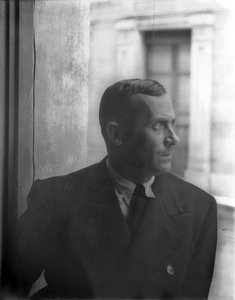
      Joan Miró

      Joan Miró

      1893 - 1983 , Spanje

      Snelle feiten

      • Artistic Movement Or Style: Surrealisme, Abstract Art
      • Artists Who Influenced This Artist:
        • Pablo Picasso
        • Sergei Diaghilev
      • Date Of Birth: 20 april 1893
      • Full Name: Joan Miró i Ferrà
      • Nationality: Spanish
      • Notable Artworks:
        • The Farm
        • Dutch Interiors
        • Painting
      • Place Of Birth: Barcelona, Spain
      Ontdek kunstwerken georganiseerd op thema, stijl en kenmerk.