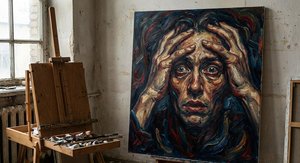
1914. Acrylic.

§ 1Catalogusgegevens


Dit kunstwerk is auteursrechtelijk beschermd
De kunstwerken die op deze pagina worden weergegeven, zijn beschermd door de auteursrechtwetgeving, wat betekent dat het ons wettelijk niet is toegestaan om identieke reproducties te maken of te verkopen. Deze bescherming wordt gehandhaafd onder internationale overeenkomsten zoals de Conventie van Bern en door nationale wetgeving, waaronder de bepalingen van de Amerikaanse auteurswet - Titel 17. Alle rechten voorbehouden. Reproduceren of distribueren van afbeeldingen is niet toegestaan zonder uitdrukkelijke schriftelijke toestemming van WahooArt.com en de rechthebbenden.
Als een respectvol en legaal alternatief bieden wij op maat gemaakte, handgeschilderde kunstwerken aan die geïnspireerd zijn op het origineel. Onze bekwame en professionele kunstenaars bestuderen zorgvuldig de stijl, sfeer en artistieke essentie van het origineel om een nieuw, uniek werk te creëren dat dezelfde emotie oproept – terwijl het een op zichzelf staande, originele creatie blijft.
Deze methode voldoet volledig aan de auteursrechtwetgeving, omdat het niet gaat om het kopiëren of dupliceren van het beschermde kunstwerk. In plaats daarvan is er sprake van een creatieve herinterpretatie — een nieuw schilderij dat door het origineel wordt geïnspireerd, maar er niet identiek aan is.
 Lees meer over
§ 2Abstract
Beschrijving verzamelobject
Marc Chagall’s mesmerizing ‘David in profile’ captures a dreamlike musical scene—a man playing the zither amidst fellow musicians and vibrant colors—reflecting his Vitebsk heritage and pioneering Expressionist style. Explore this iconic masterpiece and bring its enchanting vision home.
Biografie kunstenaar
Ontdek Marc Chagall (1887-1985), een Russische kunstenaar die bekend staat om zijn droomachtige schilderijen, thema's uit het Joodse folklore en prachtige kleurrijke glaswerkkunst. Een artistieke erfenis die blijft inspireren!
§ 3Toelichting
A Symphony of Color and Memory: Exploring Marc Chagall’s “David in Profile”
The painting "David in Profile" by Marc Chagall, completed in 1914, isn't simply a depiction of a musician; it’s an embodiment of Chagall’s distinctive artistic philosophy—a profound meditation on Jewish identity and the enduring influence of folklore. Captured in vibrant hues against a backdrop reminiscent of Vitebsk, Belarus, this artwork speaks volumes about Chagall’s formative years and his unwavering commitment to translating dreams into tangible visual form.- Subject Matter: The central figure is a man seated comfortably, holding a zither—a traditional Jewish instrument—suggesting both musical artistry and contemplation. Surrounding him are other musicians and individuals engaged in social interaction, creating an atmosphere of communal celebration.
- Style: Chagall’s style is undeniably Surrealist, yet it transcends categorization. He employs flattened perspectives, distorted figures, and fantastical imagery to convey emotion rather than precise representation. This approach aligns perfectly with the artist's desire to capture not just what he sees but what he *feels*.
- Technique: Chagall predominantly utilized oil paints on canvas, applying them in thick impasto—a technique characterized by textured brushstrokes—which lends a palpable physicality to the artwork. The bold colors are applied with expressive confidence, creating an illusion of movement and capturing the luminous quality of Vitebsk’s landscapes.
Historical Context: Vitebsk and the Artistic Avant-Garde
Vitebsk in 1914 was a crossroads of cultures—a city grappling with modernization while fiercely preserving its traditions. Chagall's upbringing within Vitebsk’s Hasidic Jewish community profoundly shaped his artistic vision. The painting reflects this duality, mirroring the tensions between faith and reason that permeated European intellectual life at the time. Simultaneously, it aligns with the burgeoning Surrealist movement, spearheaded by André Breton, which sought to liberate art from rational constraints and tap into the subconscious mind. Chagall’s engagement with Vitebsk's cultural landscape served as a catalyst for his artistic experimentation.Symbolism: Flight, Harmony, and Remembrance
The painting overflows with symbolic imagery. The figures appear to float or glide effortlessly, representing liberation from earthly concerns and embodying the artist’s belief in spiritual transcendence—a recurring motif throughout Chagall's oeuvre. The zither itself symbolizes Jewish musical heritage and serves as a conduit for conveying emotion. Furthermore, the luminous colors of Vitebsk – predominantly greens and yellows – evoke memories of Chagall’s childhood home and symbolize hope and renewal.Emotional Impact: A Window into Chagall’s Soul
“David in Profile” isn't merely aesthetically pleasing; it possesses a deep emotional resonance. It captures the spirit of Vitebsk—a place brimming with life, faith, and artistic fervor—and invites viewers to contemplate themes of identity, memory, and the transformative power of imagination. Chagall’s masterful use of color and technique creates an immersive experience that transports us back to his formative years, reminding us that art can serve as a powerful vehicle for conveying profound human emotions. It's a testament to Chagall's ability to distill complex ideas into deceptively simple visual forms—a captivating glimpse into the artist’s inner world.Veelgestelde vragen
Behoort "David in profile" door Marc Chagall tot het publiek domein?
De auteursrechtelijke status van "David in profile" door Marc Chagall: het werk is nog steeds auteursrechtelijk beschermd. Dit bepaalt of reproducties van de afbeelding vrijelijk mogen worden gemaakt.
Hoe verhoudt de stijl van "David in profile" zich tot het tijdperk van de maker?
"David in profile" door Marc Chagall behoort tot de Expressionist Surrealism-stroming, uit de Moderne tijd-periode van de maker.
Met welke techniek is "David in profile" gemaakt?
Het medium van "David in profile" door Marc Chagall is Acrylic. Reproducties zijn bedoeld om de uitstraling van deze techniek weer te geven.



 Schakel over naar print


 Voor kunstwerken of reproducties die aan één zijde groter zijn dan 105 cm (ongeveer 41 inch), wordt de lijst als een losse set verzonden. Deze methode garandeert een veilige levering en voorkomt schade tijdens het transport.